
What qualifications does an exercise scientist have?
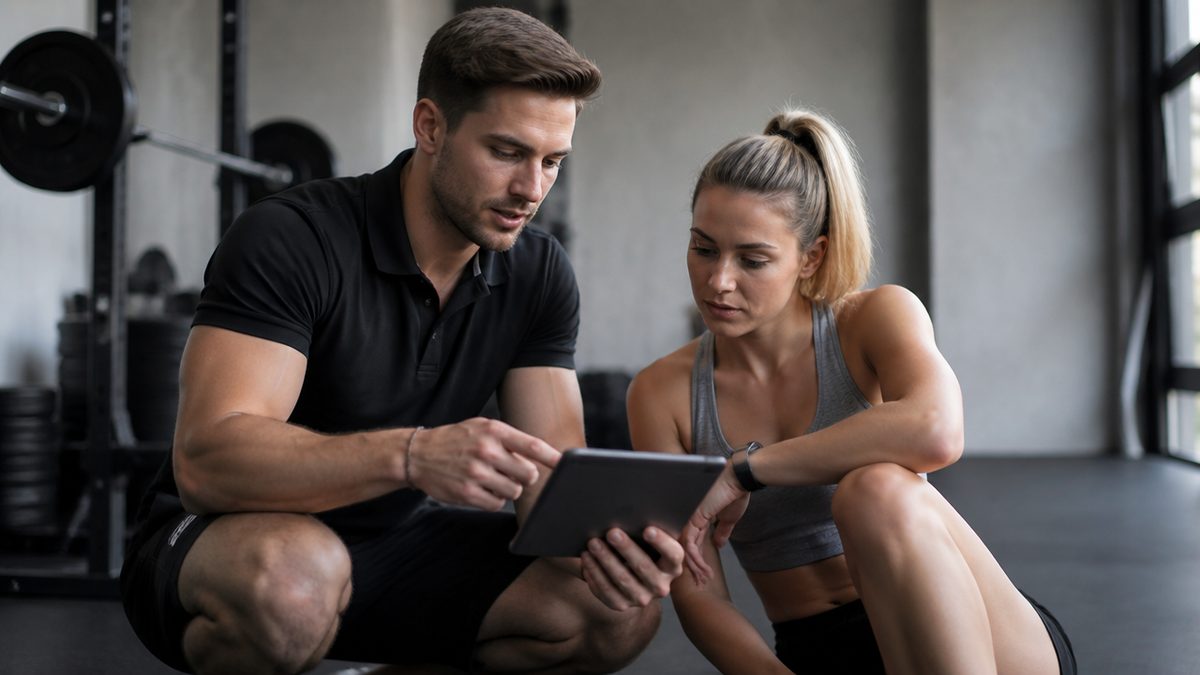
Learn what qualifications does an exercise scientist have, how accreditation and practical training affect scope, and when clinical care is the safer choice.
Find clear answers about cardio, strength training, mobility, workout frequency, recovery and general fitness. Whether you are starting again or refining an established routine, these guides help you choose an appropriate training dose, understand common exercise terms and build a program you can repeat consistently.
Learn what qualifications does an exercise scientist have, how accreditation and practical training affect scope, and when clinical care is the safer choice.
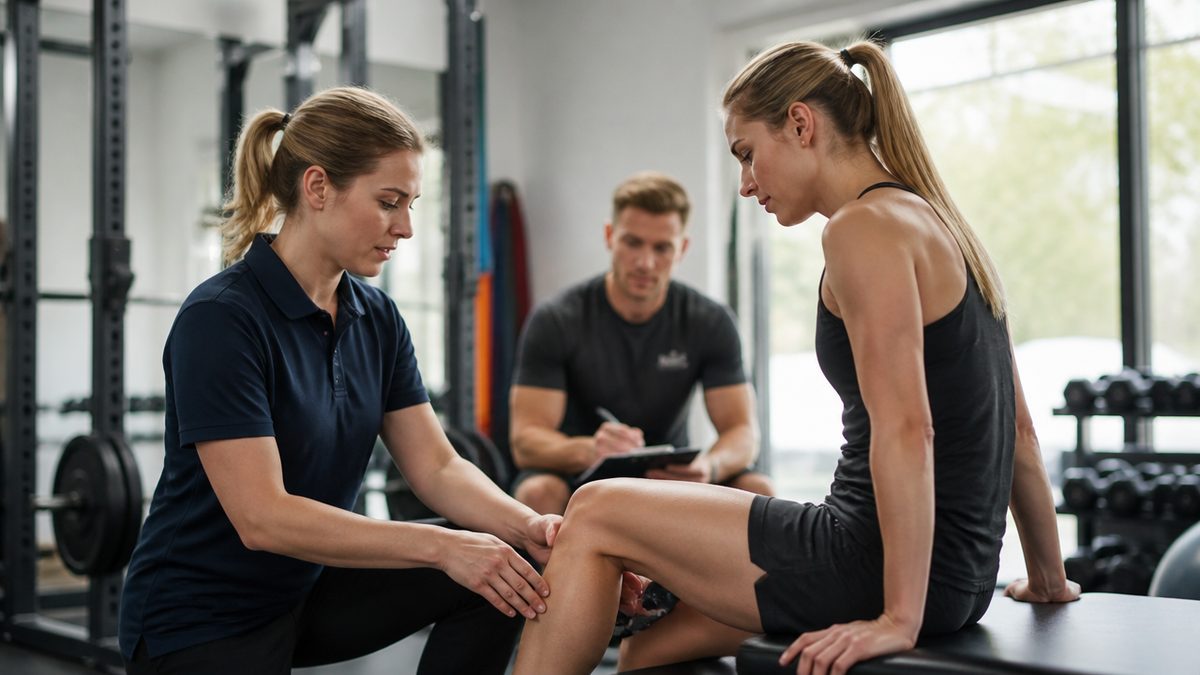
What is the difference between a physiotherapist and an exercise scientist? Compare their training, scope, services and when to choose each one.
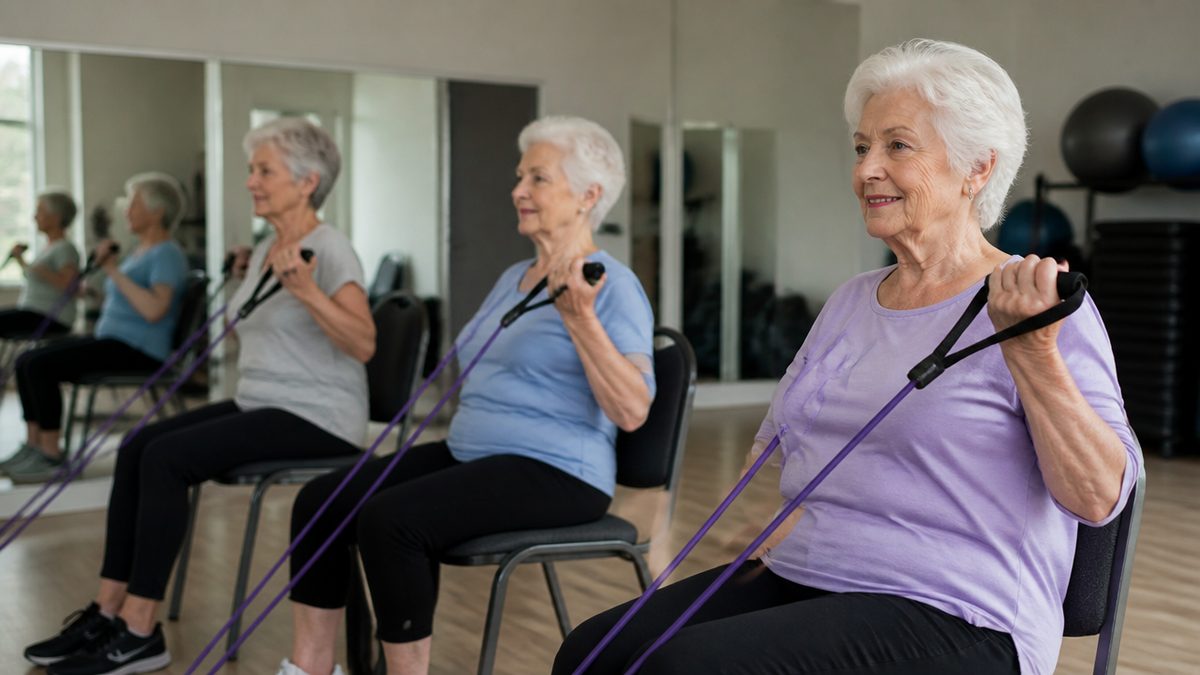
Is bungee exercise good for seniors? Learn its possible strength and balance benefits, key risks, safety checks and how to start with support.
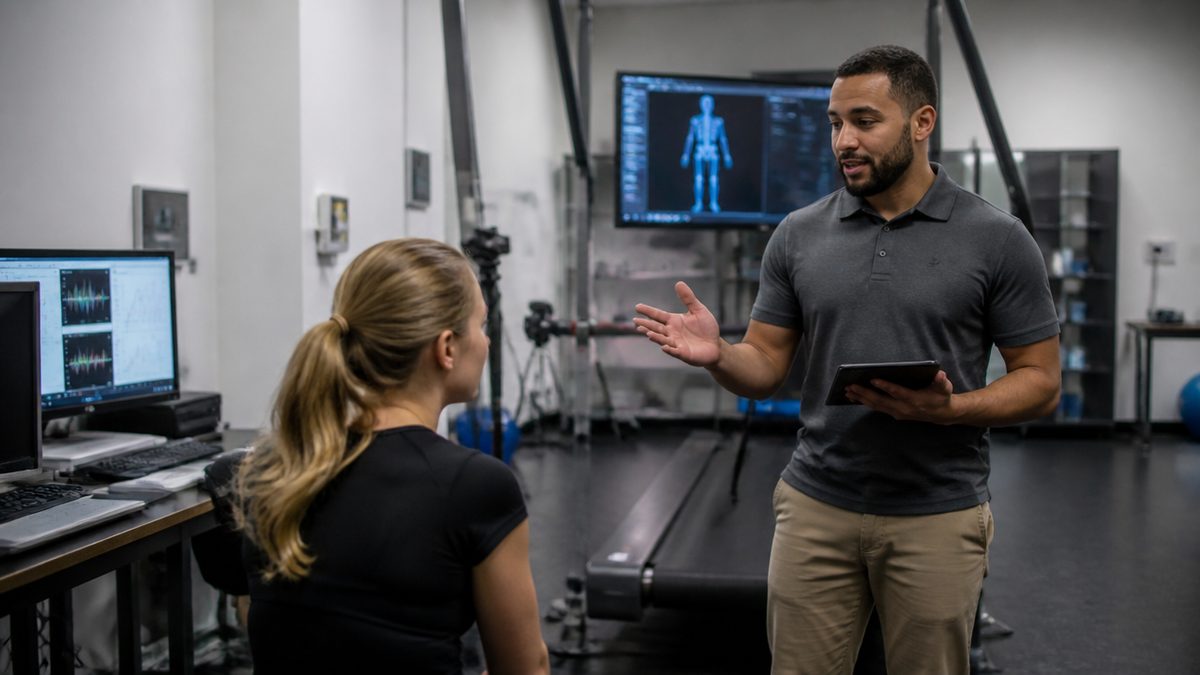
Are exercise scientists in demand? See where Australian jobs are growing, what employers seek, and how to turn an exercise science degree into work.
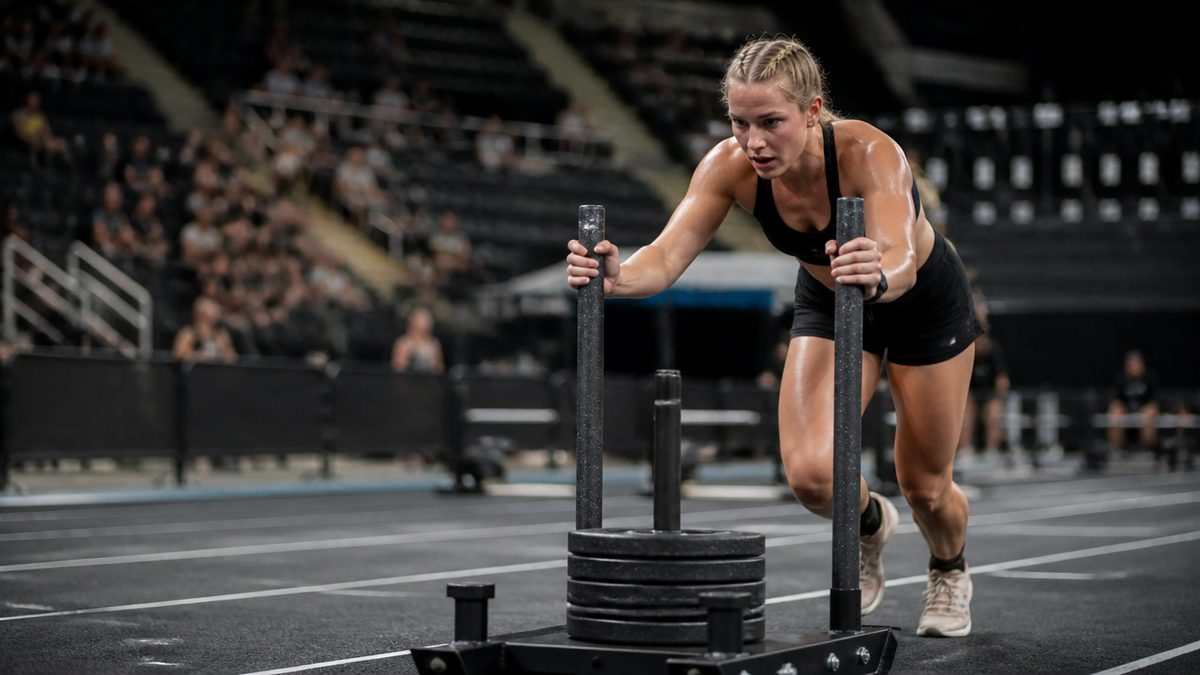
Where will HYROX be in 2026? Explore its global reach, likely host-city pattern, venue choices and what athletes should check before booking a race trip.
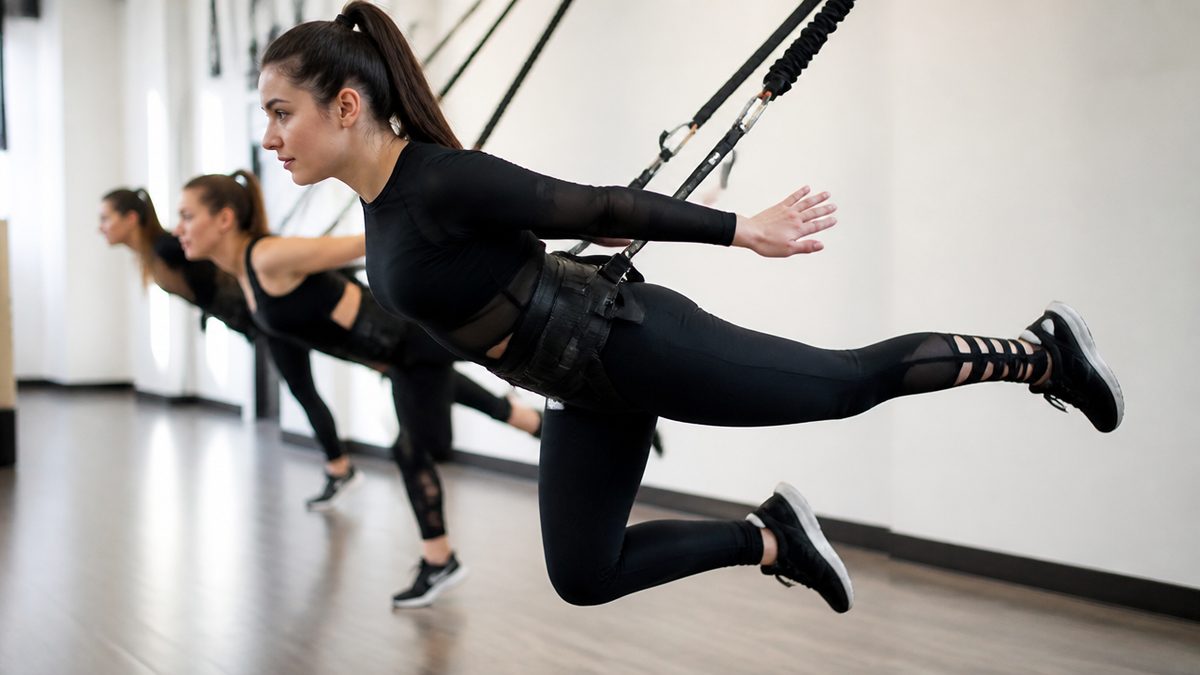
Does bungee fitness actually work? See what research says about cardio demand, muscle endurance, cord support, class quality, and realistic results.
Learn what is the best way to measure physical fitness, which field tests to use, when lab testing helps, and how to track real progress safely over time.
What is the no. 1 best of exercise? Learn why walking is a strong start and how cardio plus strength training delivers wider benefits for your health.

People who eat 25 to 30 percent of their calories from protein eat 400 fewer calories per day without trying. They don’t feel more hungry than people eating less protein.

Standing still uses about 2 calories per minute. That’s baseline muscle activation spread across your legs, core, and stabilizers responding to the moving platform.
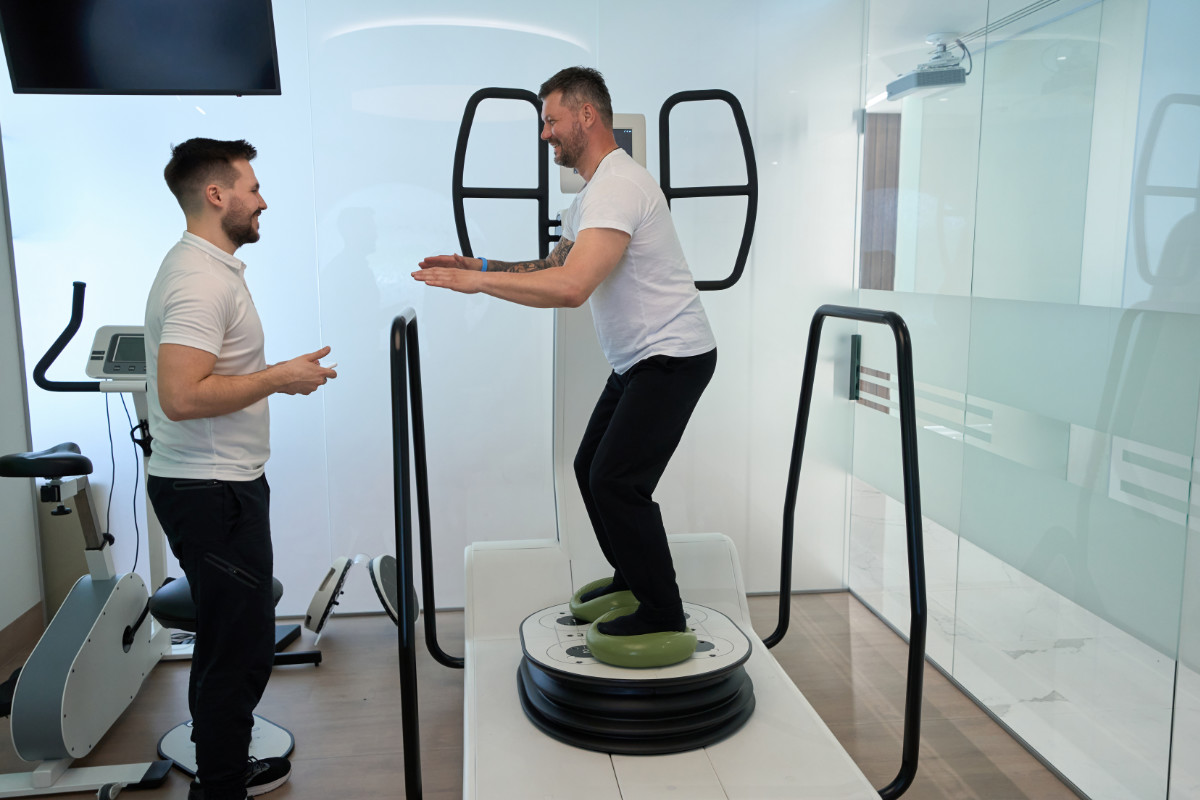
Just standing on a vibration plate burns around the same calories as walking slowly at 2.2 miles per hour. In a 15-minute session, you’re looking at roughly 100-150 calories depending on your body weight and the vibration intensity.

What is the greatest exercise ever? Loaded walking is a strong practical choice for cardio, strength, balance, grip, and useful everyday fitness.
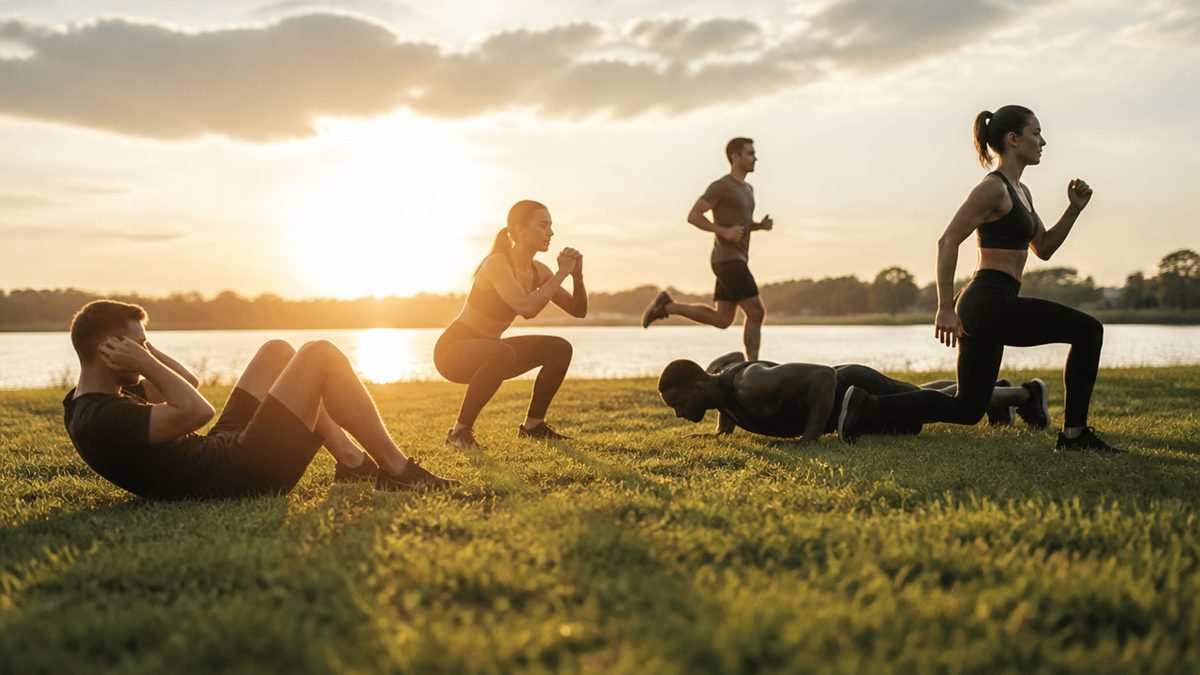
What are the 5 fundamentals of fitness? Learn how endurance, strength, muscular stamina, mobility, and body composition shape a complete weekly plan.
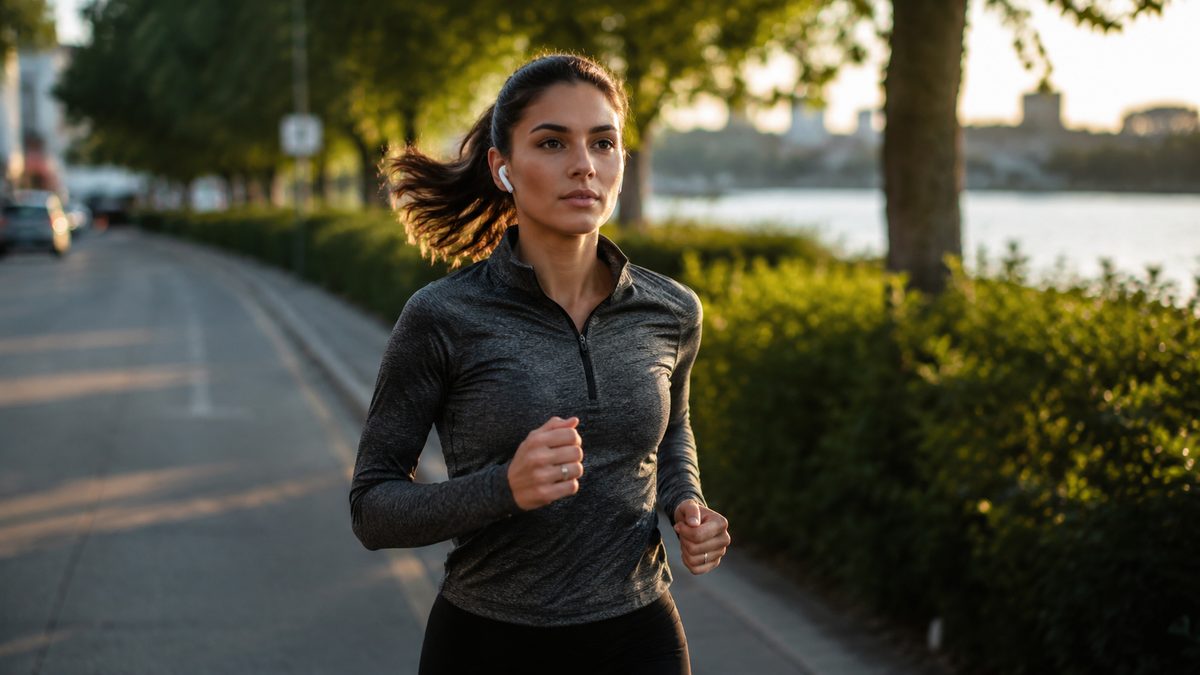
What is the 3-3-3 rule cardio? Get the evidence-based answer on frequency, intensity, and duration that actually improves fitness and heart health.
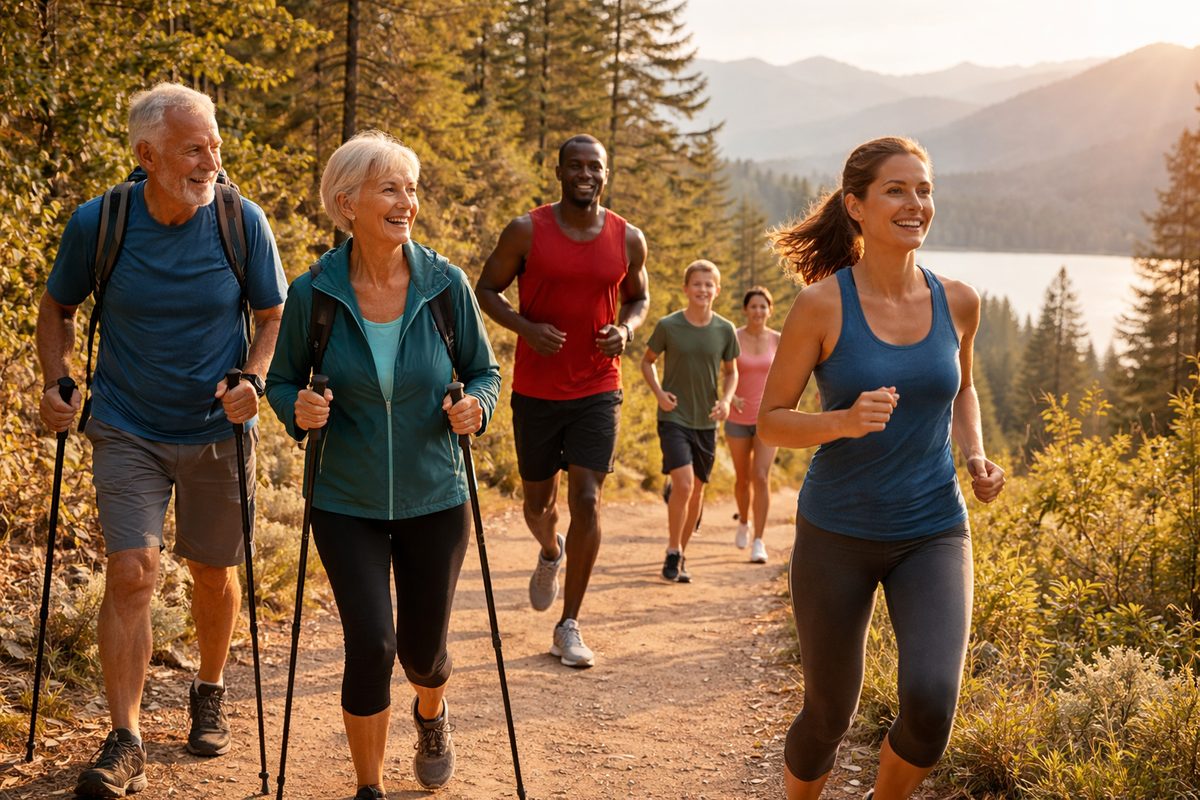
Which generation is the most physically active? We break down the real data by age group, exercise habits, and what the research actually shows.

What does Jennifer Aniston weigh? Her reported weight and height, plus the training and diet habits that actually keep her lean at 50+.
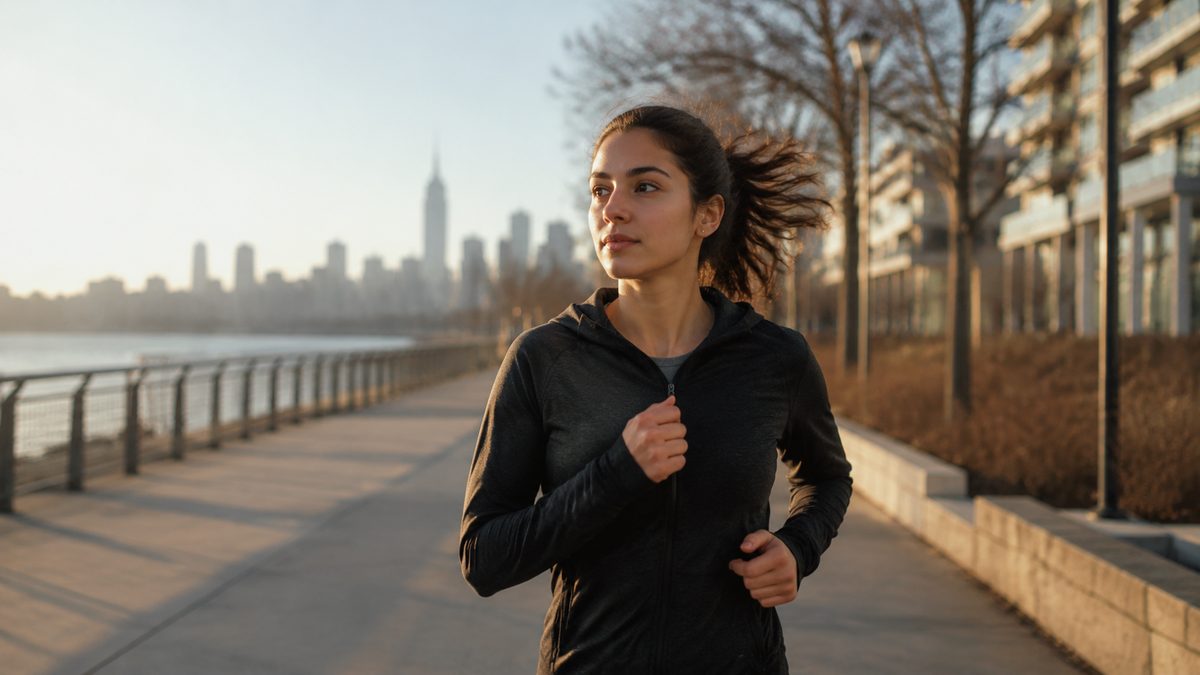
Is 30 minutes a day of cardio enough? Science says yes for heart health — if you do it right. Here’s what the evidence shows and when you need more.
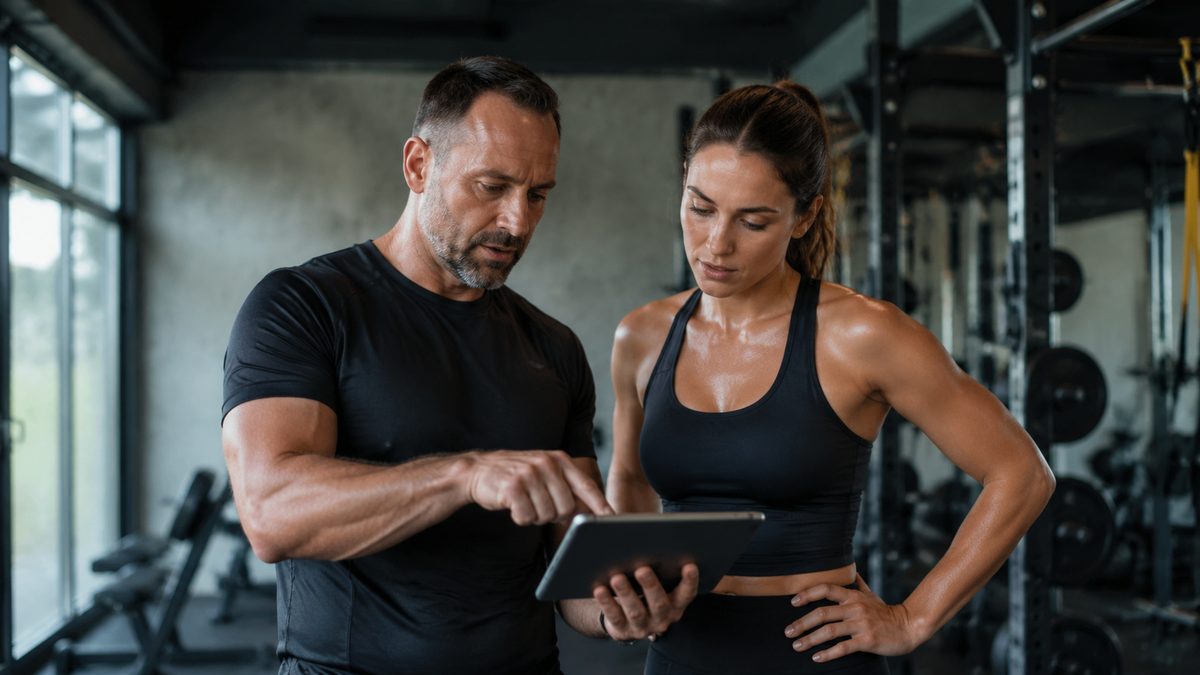
Will a personal trainer be replaced by AI? We break down what AI can and can’t do, and why human trainers still hold a clear edge in 2024.

Is Gen Z more physically active than past generations? We break down the research, screen time data, gym trends, and what actually drives Gen Z to move.
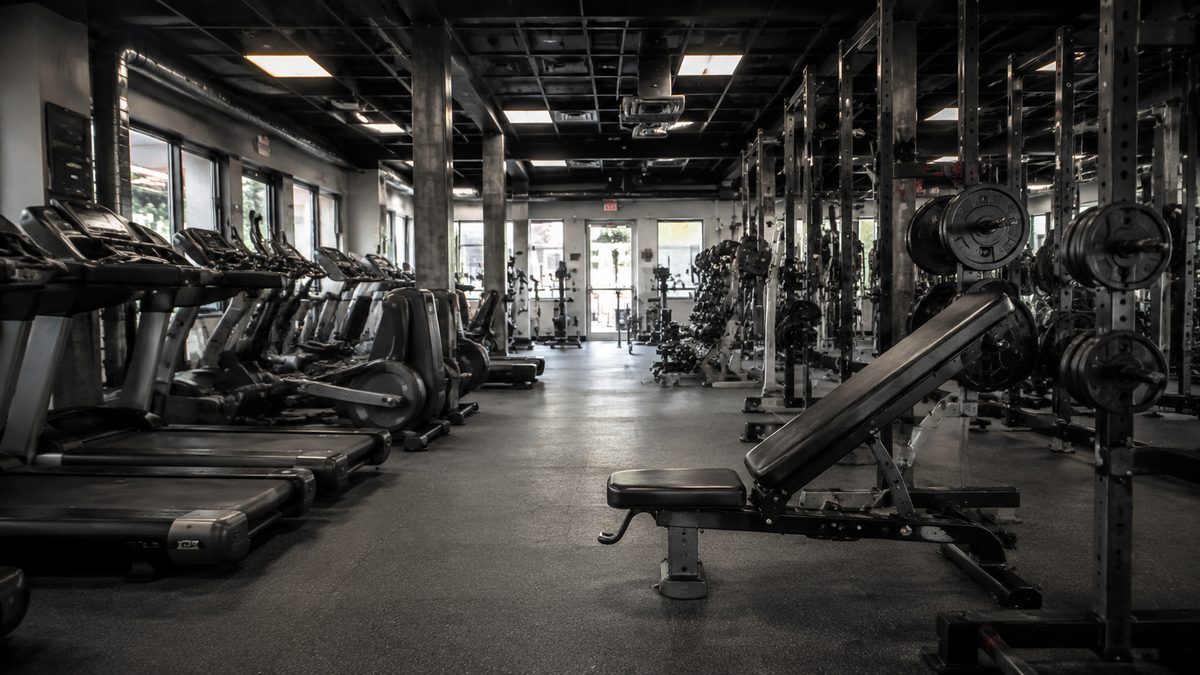
Do 90% of people quit the gym after 3 months? We break down the real statistics, why people stop, and exactly how to stay consistent long-term.