
What Supplements Should Be Avoided With Lupus? A Complete Safety Guide

Discover what supplements should be avoided with lupus to prevent flares. Learn about alfalfa, echinacea, and other risks to your autoimmune health and safety.
Read evidence-informed guides at the intersection of exercise, nutrition and general wellbeing. Topics include recovery, healthy ageing, common risk factors and adapting activity around health concerns. This information is educational, not a diagnosis; urgent or persistent symptoms and medication questions should be discussed with an appropriate health professional.
Discover what supplements should be avoided with lupus to prevent flares. Learn about alfalfa, echinacea, and other risks to your autoimmune health and safety.

Can balance be restored in the elderly? Yes, balance can be restored in older adults through specific exercises and training programs. Research shows that people over 65 can improve their balance by…

High cortisol causes visible changes to your body that you can spot and measure. Weight gain around your stomach, face, and upper back occurs while your arms and legs stay thin. Your skin becomes fragile and bruises easily, and purple or pink stretch marks appear on your stomach, thighs, breasts, and arms.
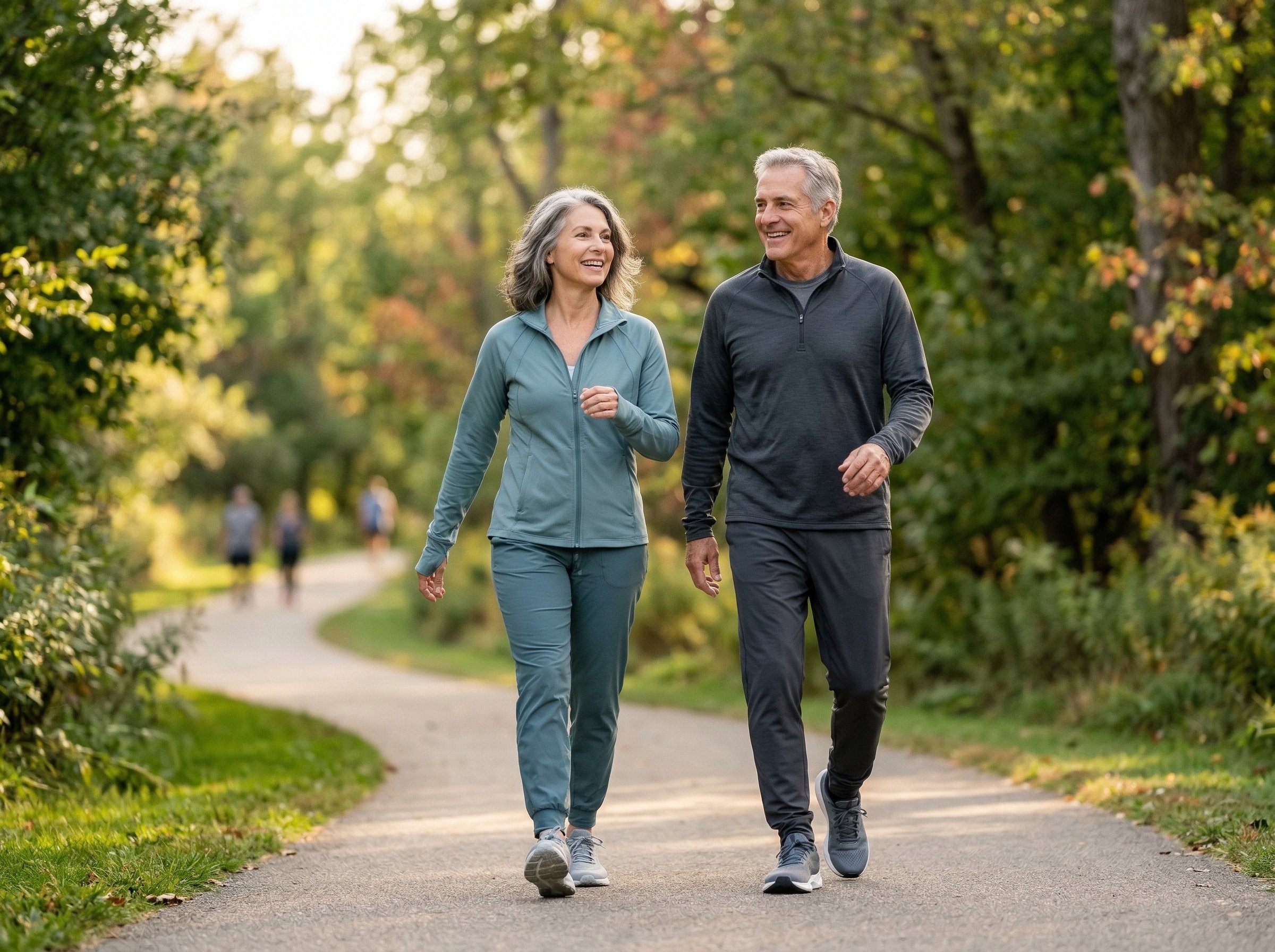
Researchers from the American Society For Nutrition found something surprising. Your metabolic rate remains stable all through adult life, from age 20 to 60. The big drop happens after 60, not in your 30s or 40s like most people assume.
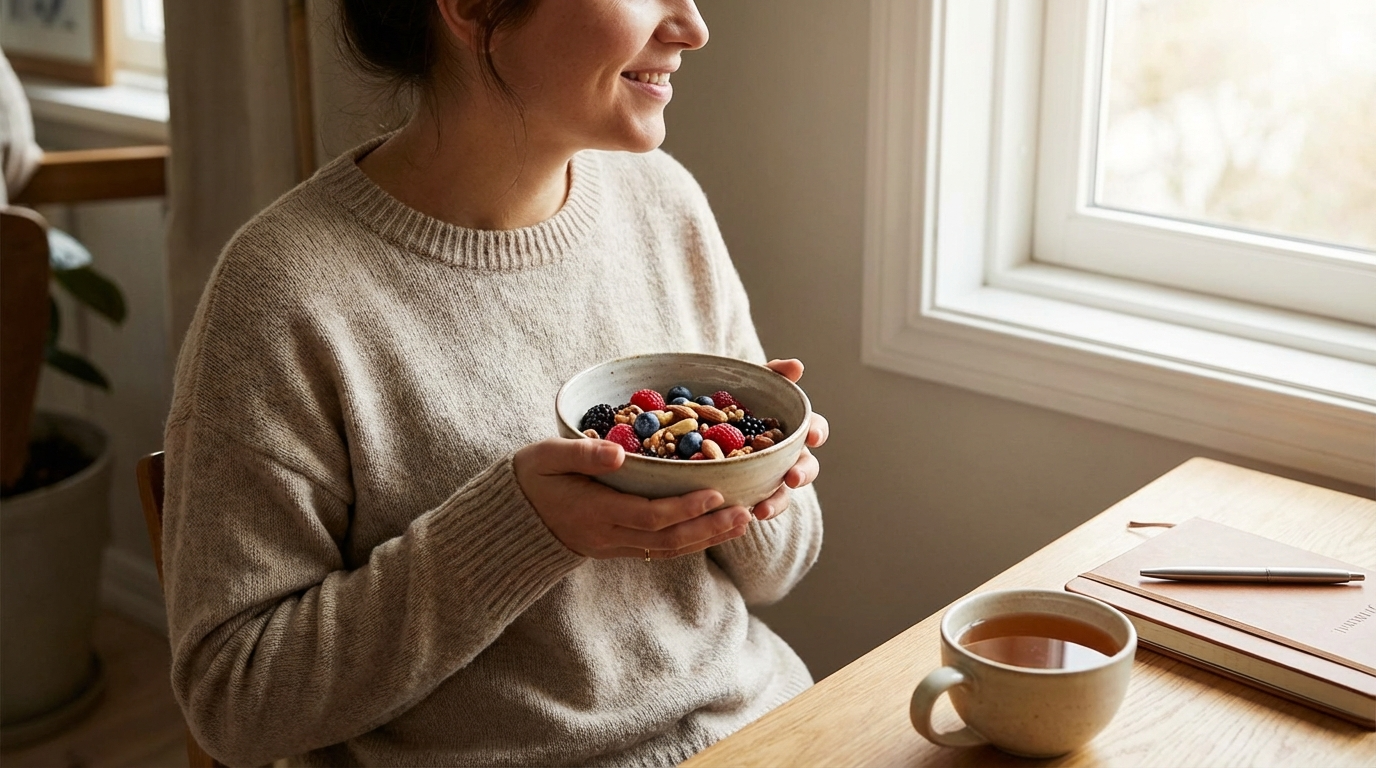
Why do I eat when I’m stressed? Your body releases cortisol when stress hits, and this hormone drives you to seek high-calorie foods packed with sugar and fat. This response comes from…

What triggers body dysmorphia? Multiple factors work together to create this mental health condition, and research shows that genetics, brain chemistry, life experiences, and social pressures all play a role in causing…

How to remove stress from the body? Stress builds up in your muscles, changes your hormones, and creates physical tension that makes you feel tired and uncomfortable. You can remove this stress…
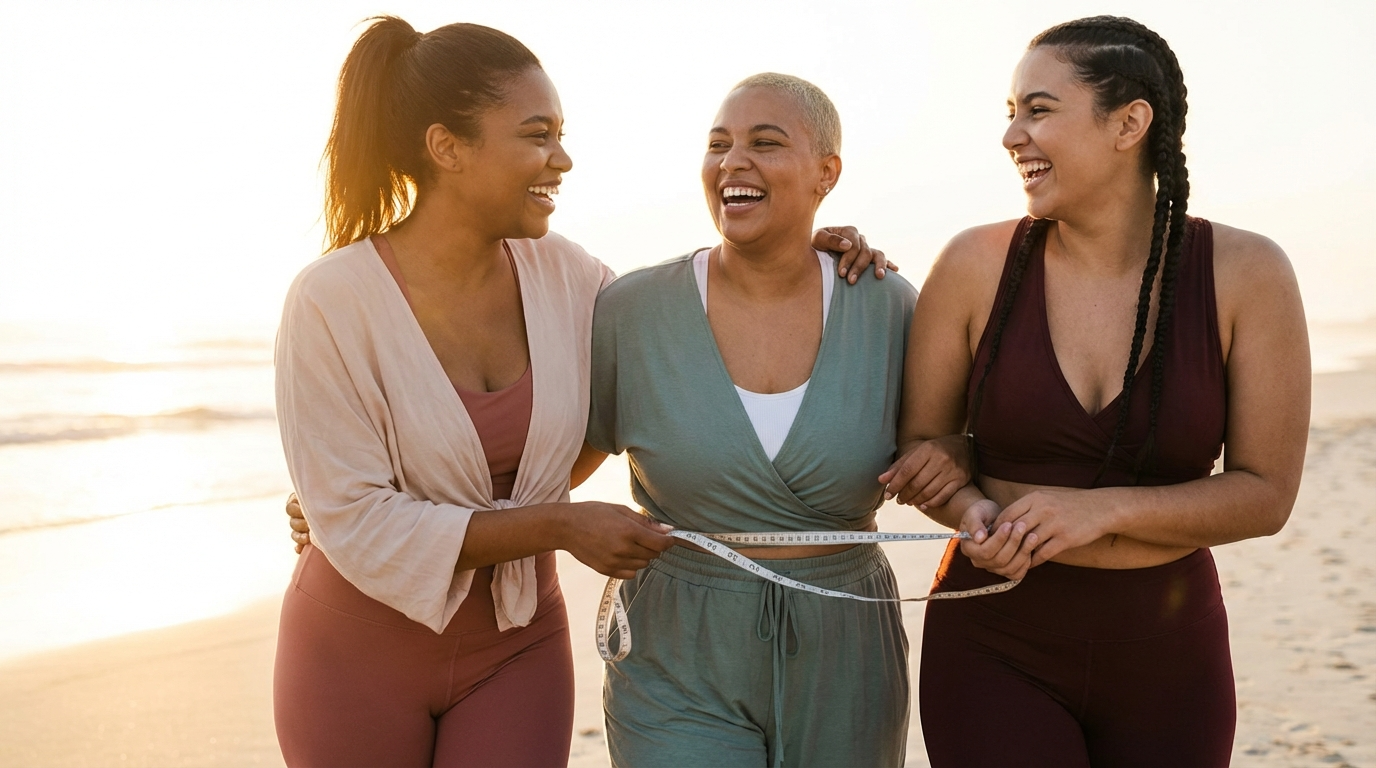
What is the most attractive waist size? Research shows that a waist-to-hip ratio of 0.7 for women and 0.9 for men gets rated as most attractive across cultures, and this preference stems…

What is the downside of intermittent fasting? Intermittent fasting comes with real problems that can affect your health, energy, and daily life. Research shows several side effects that range from annoying to…

Is size 14 fat for a woman? No, size 14 is not fat for a woman, and data shows it sits right at the average clothing size for women in countries like…
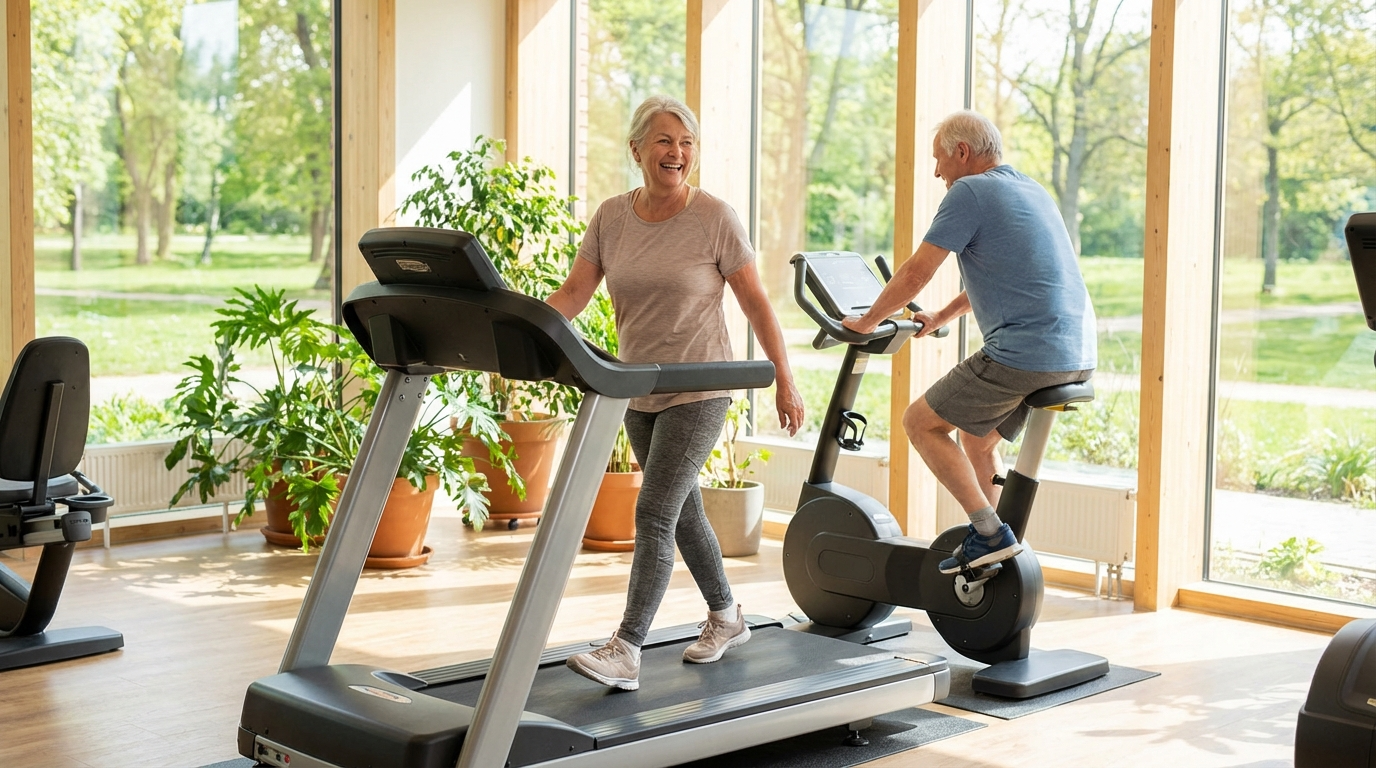
Will Medicare pay for a treadmill? No, Medicare does not cover treadmills for home use as exercise equipment. Medicare covers durable medical equipment only when a doctor prescribes it as medically necessary…

What organs shut down first when dehydrated? Your brain starts to fail first, followed by your kidneys, and then your heart when your body loses water. Which organ fails first during dehydration?…
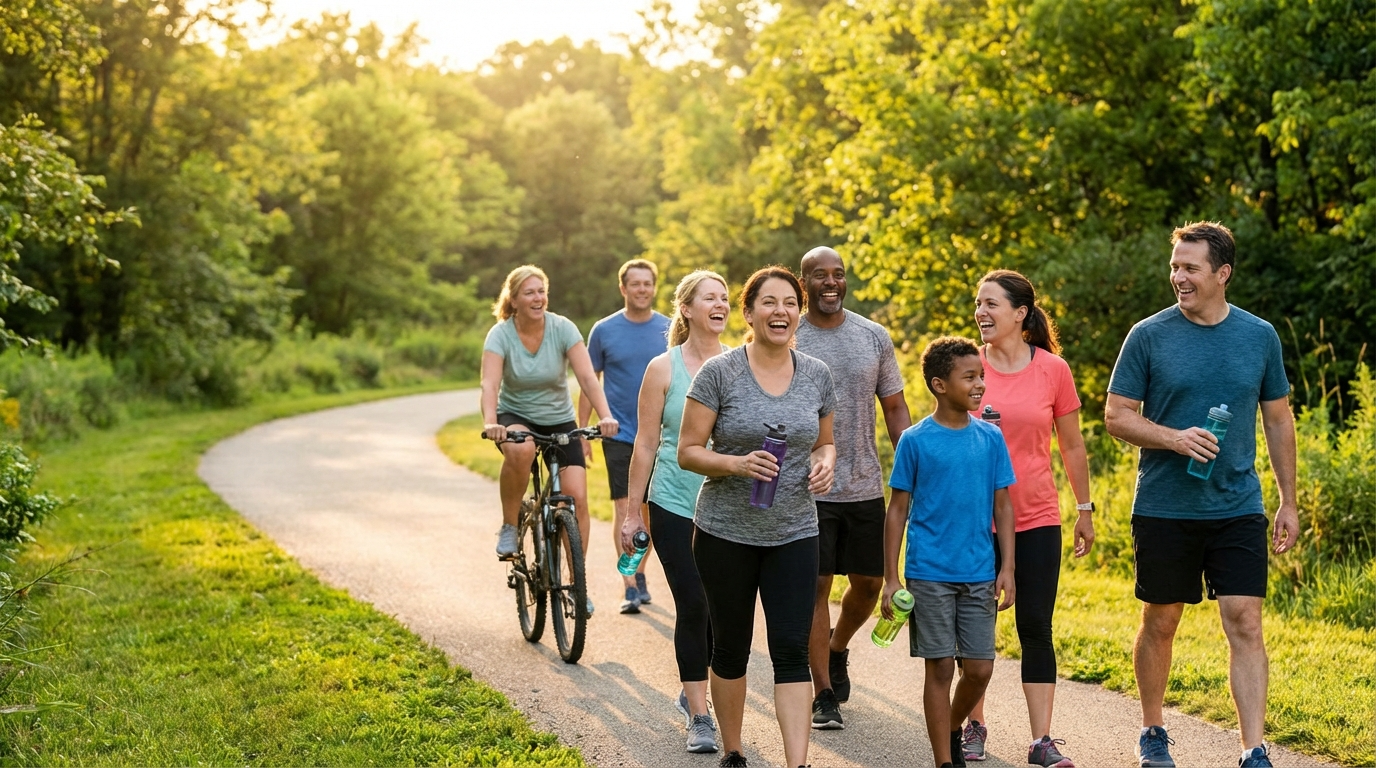
Why is inactivity called a silent killer? Inactivity kills millions of people every year, and it does so quietly, without obvious warning signs. Physical inactivity causes around 3.2 million deaths globally each…
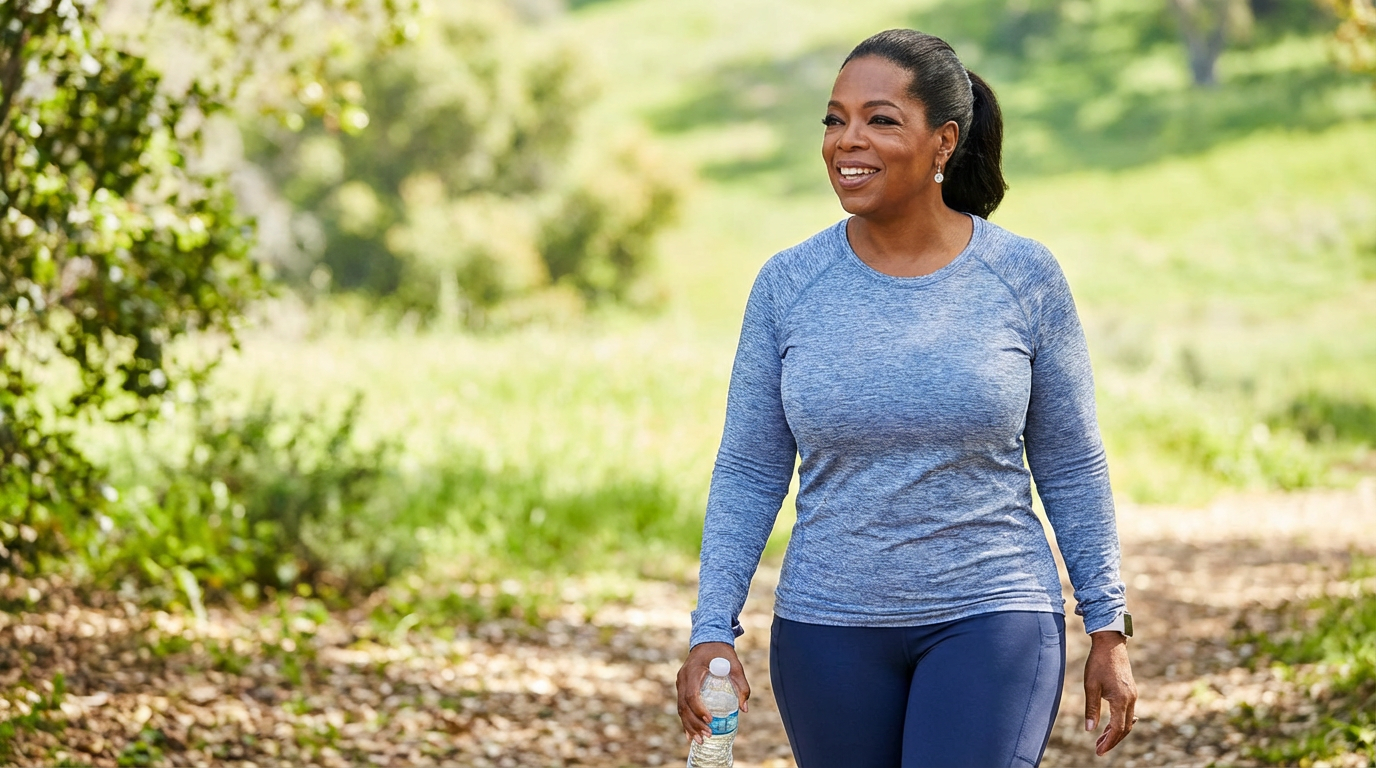
Oprah Winfrey did not lose weight using Ozempic. She used a different weight-loss medication and has not publicly disclosed the exact amount of weight she lost. Did Oprah Actually Use Ozempic? No,…

What are 10 healthy habits? These daily practices protect your body, boost your energy, and help you live longer. Research shows that people who follow these habits cut their risk of early…

People who lifted weights 3 or more times per week had telomere lengths comparable to people nearly a decade younger.
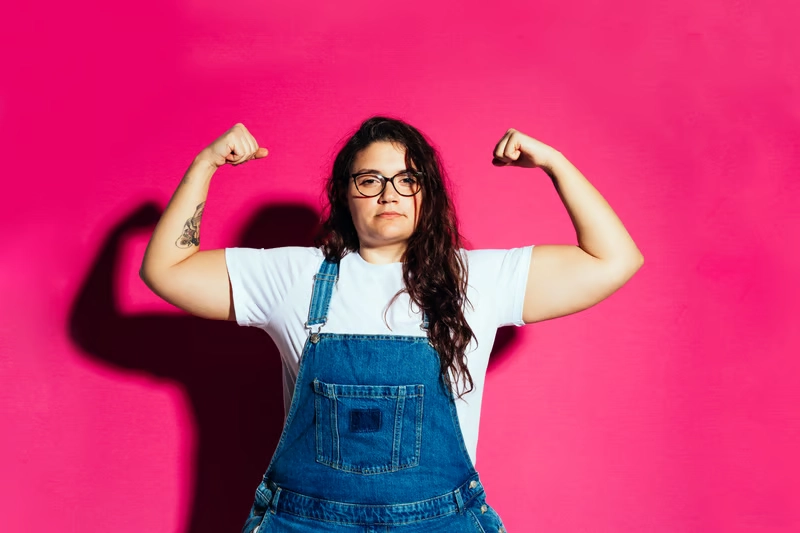
Professional female athletes frequently weigh 80kg or more, especially in sports like rugby, weightlifting, CrossFit, and rowing.

What alcohol is easiest on the liver? No type of alcohol is easy on your liver, and all alcoholic drinks damage this organ the same way regardless of whether you drink beer,…
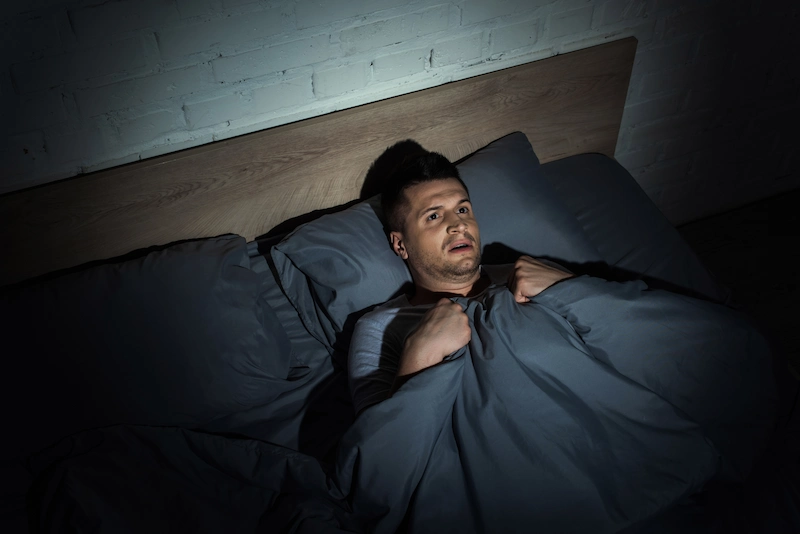
No, Arnold’s sleep needs changed as he aged. When he was 19 years old during his early bodybuilding days, he needed 9 hours of sleep and took that full 9 hours.
A 2025 review of 85 studies found consistently active people had 30% to 40% lower death risk from any cause.