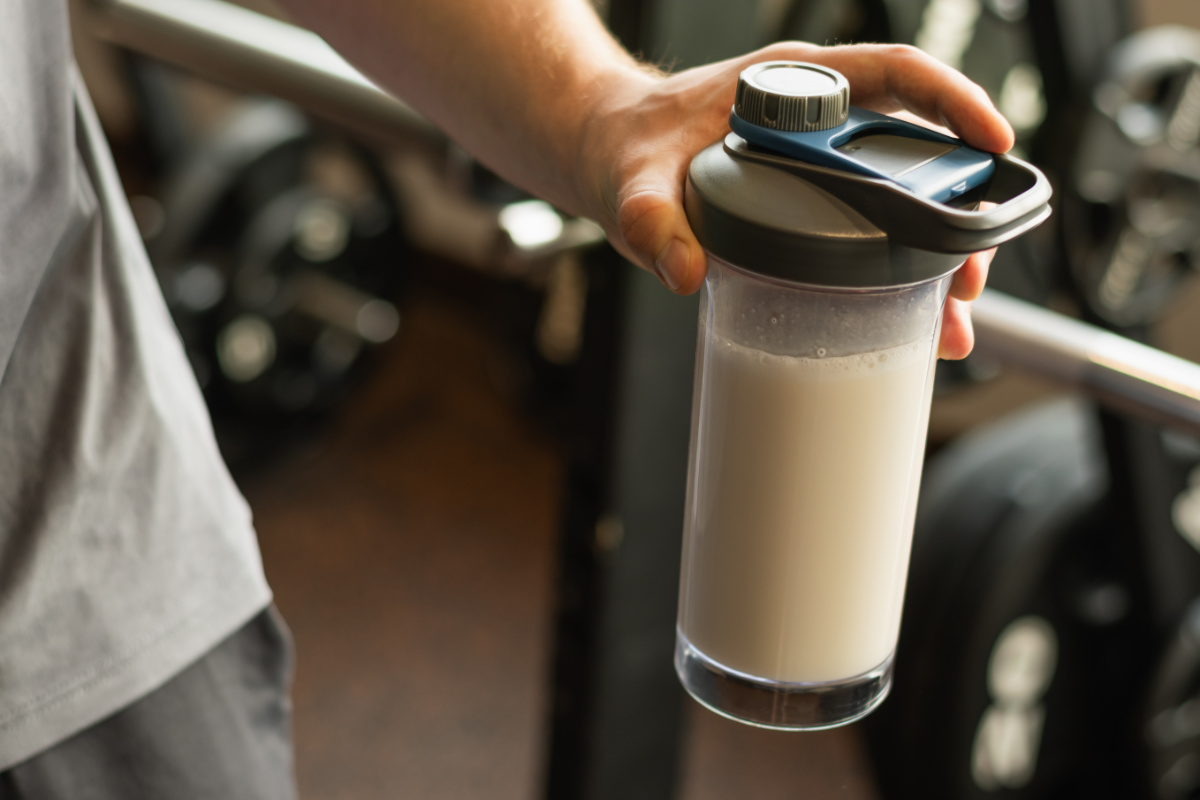
What’s the best protein powder for losing weight? Protein powder helps you lose weight by keeping you full longer and protecting your muscles while you cut calories. The best protein powder for losing weight contains at least 20 grams of protein per serve, stays under 150 calories, and has minimal added sugar.
Does Protein Powder Actually Help You Lose Weight?
Yes. Protein powder speeds up weight loss when you use it correctly.
Your body burns more calories digesting protein than it does processing carbs or fats. Scientists call this the thermic effect. Protein burns 20 to 30 percent of its calories just through digestion. Carbs only burn 5 to 10 percent. This means eating protein gives your metabolism a boost every single time.
Protein also crushes hunger better than other nutrients. When you drink a protein shake, your body releases hormones that tell your brain you’re full. One study showed people who doubled their protein intake naturally ate 441 fewer calories per day without trying. They just felt satisfied and stopped eating sooner.
The biggest benefit comes from protecting your muscle. When you cut calories to lose weight, your body wants to burn both fat and muscle for energy. Losing muscle slows down your metabolism and makes you look soft instead of toned. High protein intake stops this from happening. Research proves that people who eat enough protein lose mostly fat while keeping their muscle intact.
What Type of Protein Powder Burns Fat Fastest?
Whey protein isolate burns fat fastest because your body absorbs it quickly and it contains the most protein per serve.
Whey isolate goes through extra filtering that removes almost all the fat and lactose. This leaves you with 90 to 95 percent pure protein. A typical serve gives you 25 to 30 grams of protein with only 100 to 120 calories. Compare this to whey concentrate, which sits around 70 to 80 percent protein and packs more calories from leftover fats and carbs.
Your body digests whey isolate within 30 minutes. This fast absorption triggers a strong release of appetite-suppressing hormones. Studies show whey protein reduces the hunger hormone ghrelin more effectively than other protein types. People who drink whey before meals eat less food without feeling deprived.
Casein protein works differently but also helps with fat loss. Your body digests casein slowly over 6 to 8 hours. This makes casein perfect for nighttime. Drinking casein before bed keeps you full through the night and stops late-night snacking. Research found that people who took casein at night burned more fat while they slept compared to people who took nothing.
Plant proteins like pea and rice protein also support weight loss. They contain fiber that slows digestion and keeps you satisfied. Pea protein performs almost as well as whey for reducing appetite. One study showed no difference in weight loss between people using whey and people using pea protein over 12 weeks.
9 Steps To Shed 5–10kg in 6 Weeks
While spending as little as 90 minutes per week in the gym!
Includes an exercise plan, nutrition plan, and 20+ tips and tricks.
Without dead boring diets that are like watching paint dry
Without getting results at a snails pace
Gym or at home version
How Much Protein Do You Need Daily to Lose Weight?
You need 1.6 to 2.2 grams of protein per kilogram of body weight each day to lose weight effectively.
A person weighing 80 kilograms needs 128 to 176 grams of protein daily. This amount protects your muscle while your body burns fat for energy. Research shows this protein range delivers the best results for fat loss without muscle loss.
Most people struggle to hit these numbers through food alone. A chicken breast contains about 30 grams of protein. You would need to eat 4 to 6 chicken breasts daily to reach your target. Protein powder makes this easier. One or two shakes per day fills the gap between what you eat and what you need.
Spread your protein throughout the day instead of eating it all at once. Your muscles can only use about 20 to 40 grams of protein per meal for building and repair. Eating protein every 3 to 4 hours keeps your metabolism high and your hunger low. This pattern works better than eating all your protein at dinner.
What Should You Look for on the Label?
Look for protein powders with at least 20 grams of protein per serve, less than 5 grams of sugar, and under 150 calories total.
Check the ingredient list first. The protein source should appear as the first ingredient. Avoid powders that list sugar, maltodextrin, or corn syrup in the top three ingredients. These fillers add empty calories that work against your weight loss goals.
The nutrition panel tells you everything you need to know. Calculate the protein percentage by dividing protein grams by total grams per serve, then multiply by 100. Aim for 70 percent or higher. A powder with 25 grams of protein in a 30-gram serve hits 83 percent. This means you get mostly protein and very little filler.
Watch out for hidden calories from fats and carbs. Some protein powders sneak in 10 to 15 grams of carbs per serve through added sugars or thickeners. These extra calories add up fast. Three shakes per day with 15 grams of added carbs each gives you 180 extra calories. Over a week, that’s 1,260 calories that could slow your progress.
Artificial sweeteners keep calories low without adding sugar. Stevia and sucralose appear in most quality protein powders. These sweeteners don’t spike your blood sugar or add calories. Some people worry about artificial sweeteners, but research shows they’re safe and help with weight management when used in normal amounts.
When Should You Drink Protein Shakes for Maximum Fat Loss?
Drink protein shakes between meals, before workouts, or as meal replacements to maximize fat loss.
Drinking a shake between breakfast and lunch stops mid-morning hunger. This prevents you from grabbing high-calorie snacks from the vending machine or bakery. Studies show people who drink protein shakes as snacks eat fewer total calories throughout the day compared to people who eat carb-based snacks like muffins or crackers.
Taking protein 30 to 60 minutes before exercise gives you the best results. The protein provides amino acids your muscles need during training. This protects your muscle tissue from breaking down while you work out. Research proves that people who drink protein before training maintain more muscle during weight loss than people who skip pre-workout protein.
Replacing one meal per day with a protein shake creates an easy calorie deficit. Make your shake more filling by blending in frozen berries, spinach, or half a banana. Add a tablespoon of chia seeds or ground flaxseed for healthy fats and fiber. This combination keeps you satisfied for 3 to 4 hours while staying under 300 calories.
Never replace more than one meal per day with shakes. Your body needs whole foods for vitamins, minerals, and fiber that powder can’t provide. People who replace two or three meals with shakes often feel tired, get hungry faster, and quit their diet within a few weeks.
How Much Does Quality Protein Powder Cost in Australia?
Quality protein powder costs between $35 and $80 per kilogram in Australia, depending on the type and brand.
Whey protein concentrate sits at the lower end, around $35 to $50 per kilogram. This works out to roughly $1.20 to $1.70 per serve. Whey isolate costs more, typically $50 to $70 per kilogram, or about $1.70 to $2.40 per serve. The extra cost comes from additional processing that removes more fat and lactose.
Plant-based proteins usually cost $45 to $80 per kilogram. Pea protein and rice protein blends fall in the middle range at $45 to $60 per kilogram. Premium organic plant proteins with added superfoods can reach $70 to $80 per kilogram.
Buying larger containers saves money. A 1-kilogram tub costs more per gram than a 3-kilogram or 5-kilogram container. If you use protein powder daily, buying bulk cuts your cost by 20 to 30 percent. A 5-kilogram container of whey isolate might cost $200, giving you about 150 serves at $1.33 each instead of $2.00 per serve from smaller tubs.
Compare the cost per serve, not just the total price. Some expensive brands charge $80 for 1 kilogram but only provide 20 grams of protein per serve. Cheaper brands might give you 25 to 30 grams per serve for $50 per kilogram. Calculate the price per gram of protein to find the real value.
What’s the Best Protein Powder for Losing Weight?
The best protein powder for losing weight depends on your dietary needs, but whey isolate delivers the fastest results for most people.
For dairy eaters: Choose whey protein isolate. It absorbs quickly, contains 25 to 30 grams of protein per serve, and keeps calories under 120. Brands like Optimum Nutrition Gold Standard and MyProtein Impact Whey Isolate offer excellent value and quality. These products cost around $50 to $60 per kilogram and mix smoothly without clumping.
For vegans and dairy-free dieters: Pick a pea and rice protein blend. The combination provides all essential amino acids your body needs. Pea protein alone lacks some amino acids, but mixing it with rice protein creates a complete protein profile. Look for products with at least 20 grams of protein and less than 150 calories per serve.
For budget-conscious buyers: Whey protein concentrate gives you solid results at a lower price. You get 20 to 25 grams of protein per serve for about $1.20 to $1.50. The extra carbs and fats add 20 to 40 more calories compared to isolate, but this won’t stop your progress if you track your total daily calories.
For nighttime use: Casein protein keeps you full through the night. Take it 30 minutes before bed to reduce nighttime hunger and support muscle recovery while you sleep. Casein costs slightly more than whey, around $55 to $70 per kilogram, but you only need one serve per day.
Can You Lose Weight with Protein Powder Alone?
No. Protein powder supports weight loss but cannot replace a proper diet and exercise plan.
Protein powder fills nutritional gaps and controls hunger. It makes hitting your daily protein target easier without cooking extra meals. But powder lacks the vitamins, minerals, and fiber found in whole foods like vegetables, fruits, and whole grains. Your body needs these nutrients to function properly and maintain energy during weight loss.
Successful weight loss requires a calorie deficit. You must burn more calories than you eat. Protein powder helps create this deficit by replacing high-calorie snacks and keeping you satisfied between meals. But drinking protein shakes while eating pizza, chips, and ice cream won’t work. You still need to control your total calorie intake.
Exercise speeds up fat loss and improves your results. Strength training builds muscle that burns calories even when you rest. Walking, running, or cycling burns additional calories and improves your heart health. Combining protein powder with regular exercise and smart food choices delivers the best and fastest weight loss results.
FAQ
How many protein shakes should I drink per day to lose weight?
Drink one to two protein shakes per day. One shake works well as a snack between meals. Two shakes help if you struggle to eat enough protein from regular food. Never drink more than two shakes daily because you need whole foods for complete nutrition.
Will protein powder make me bulky?
No. Protein powder does not make you bulky. Building large muscles requires heavy strength training, eating excess calories, and often takes years of consistent work. Protein powder during weight loss protects your existing muscle and helps you look toned, not bulky.
Can I drink protein shakes if I don’t exercise?
Yes. Protein shakes help with weight loss even without exercise. The protein keeps you full and protects your muscle during calorie restriction. However, adding exercise speeds up your results and improves your overall health.
Is whey protein safe for people with lactose intolerance?
Whey isolate contains very little lactose and works for most people with mild lactose intolerance. Whey concentrate has more lactose and might cause digestive issues. If you have severe lactose intolerance, choose plant-based protein instead.
How long does protein powder last after opening?
Protein powder lasts 6 to 12 months after opening if you store it properly. Keep the container sealed tight and store it in a cool, dry place away from direct sunlight. Check the expiration date on the package and throw away powder that smells bad or changes color.
Can I mix protein powder with milk instead of water?
Yes, but milk adds extra calories. Mixing with water keeps your shake under 120 calories. Mixing with 250ml of skim milk adds about 90 calories. Use milk if you need more calories or want a creamier taste, but track these extra calories in your daily total.
Does the flavor of protein powder matter for weight loss?
No. The flavor does not affect weight loss results. Choose flavors you enjoy so you actually drink your shakes consistently. Chocolate and vanilla remain the most popular because they mix well with other ingredients like fruit or peanut butter.
Should I take protein powder on rest days?
Yes. Your body repairs and builds muscle on rest days, not just training days. Taking protein on rest days supports this recovery process and keeps your daily protein intake consistent. Consistency matters more than timing around workouts.