
Is 3 months enough time to train for a HYROX?
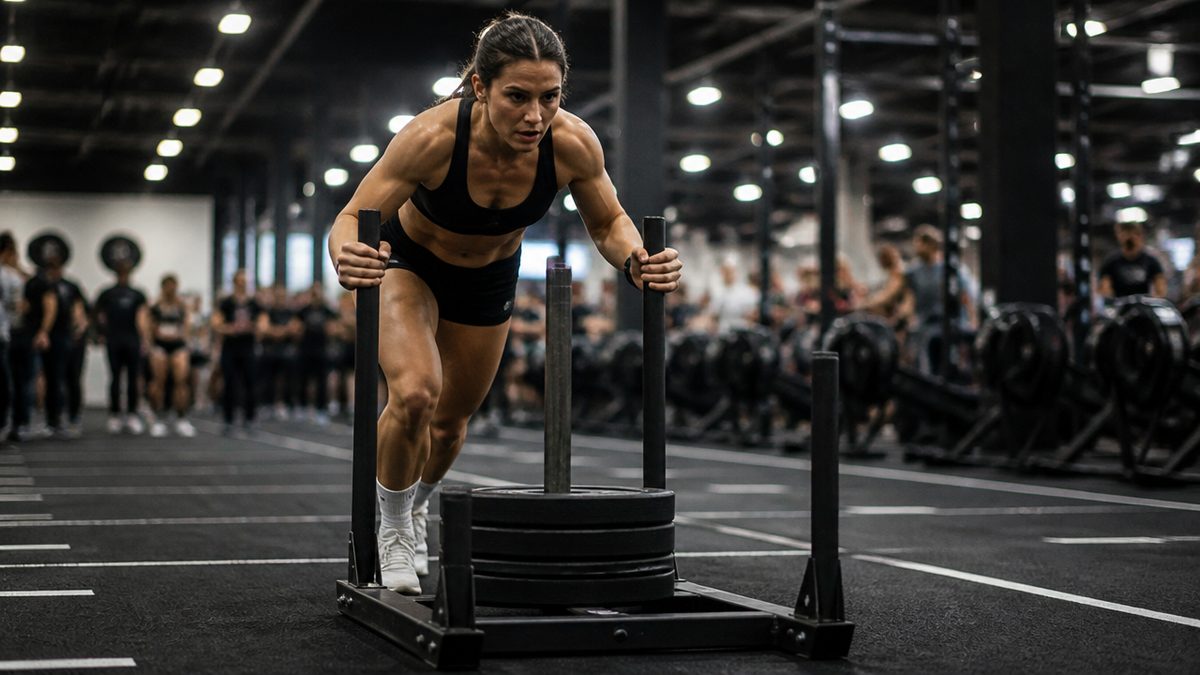
Is 3 months enough time to train for a HYROX? Learn who can get race-ready in 12 weeks, how to structure each phase, and which warning signs matter most.
Fitness Image knowledge hub
Practical, evidence-informed guides for building strength, improving fitness and making nutrition decisions that work in real life.
Choose your goal
Each topic page brings together 20 current guides, with pagination for the complete archive.
Workouts, conditioning, recovery and practical ways to improve your physical capacity.
Browse fitness guides → 02 / FUELProtein, healthy eating, fasting and evidence-informed guidance without diet noise.
Browse nutrition guides → 03 / PROGRESSCalorie balance, sustainable fat loss and habits designed to hold up over time.
Browse weight-loss guides →Fresh from the library
New and recently refreshed guides from the Fitness Image editorial library.
Is 3 months enough time to train for a HYROX? Learn who can get race-ready in 12 weeks, how to structure each phase, and which warning signs matter most.

Do physios or exercise physiologists earn more? Compare salary ranges, work settings, qualifications, demand, private practice and career growth.

Will 3×3 build strength? Learn why heavy triples work, how much weight to lift, when to add load, and how to program safe, effective sessions each week.

Can 5-4-3-2-1 grounding help with ADHD? Learn how this sensory exercise may steady attention, ease overload, and support emotional control.

Is it healthy to do cardio 3 times a week? Learn how session length, effort, recovery, and strength work shape a safe weekly plan for lasting health.
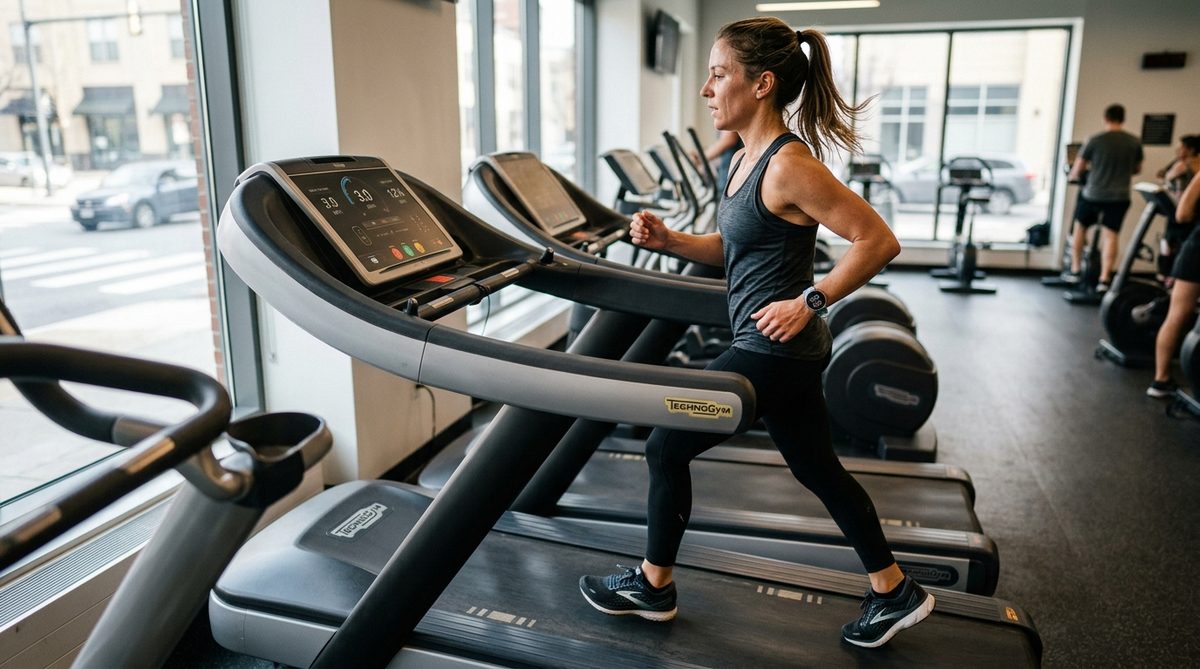
Does 12/3/30 actually burn 300 calories? See weight-based estimates, why incline and handrail use matter, and how to get a more accurate result.
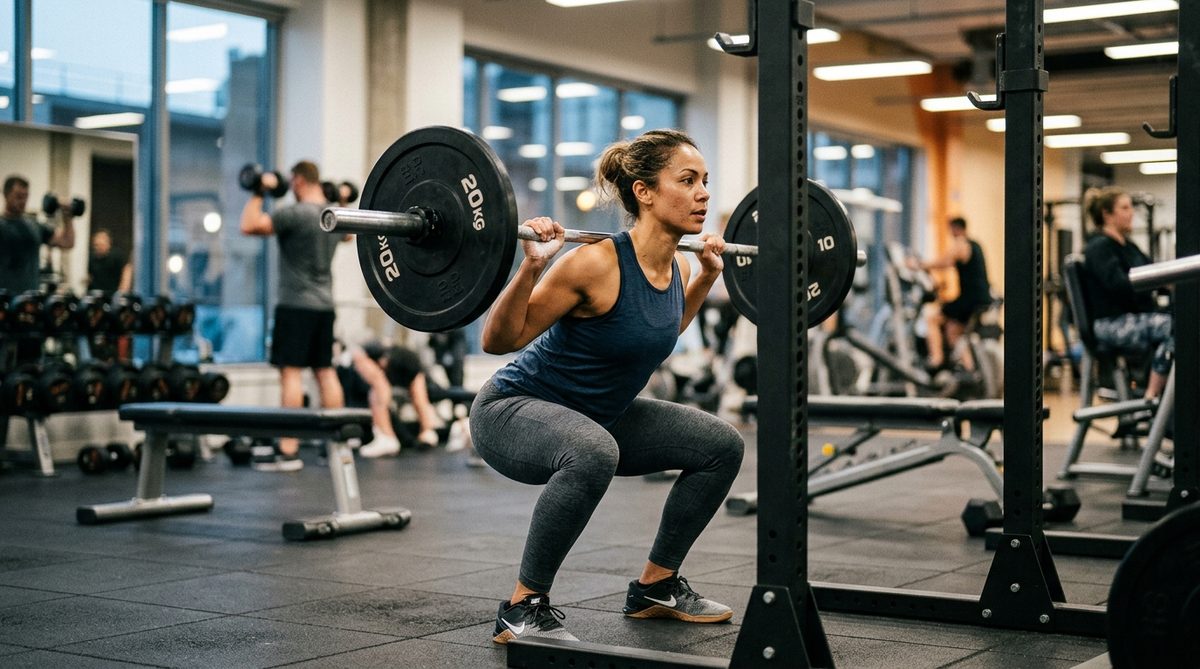
What is a good 3 day gym routine? Use this practical full-body plan to build strength and muscle with clear exercises, sets, reps, and progression.
What should I consider before going to the gym? Check your health, goals, schedule, costs, equipment, safety, and training plan before you join.

Does the McGill Big 3 actually work? Learn what it improves, where evidence is limited, who may benefit, and when your back needs a broader plan.
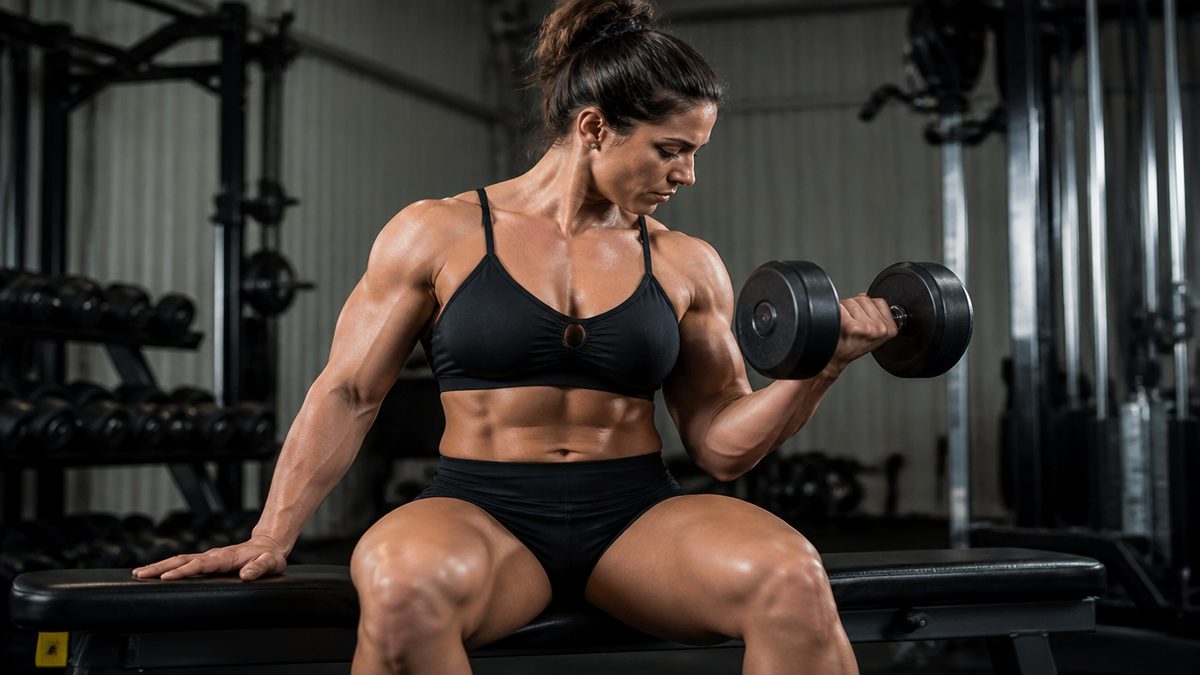
How long does it take for a woman to become a bodybuilder? See realistic timelines for muscle gain, visible change, contest prep, and lasting results.
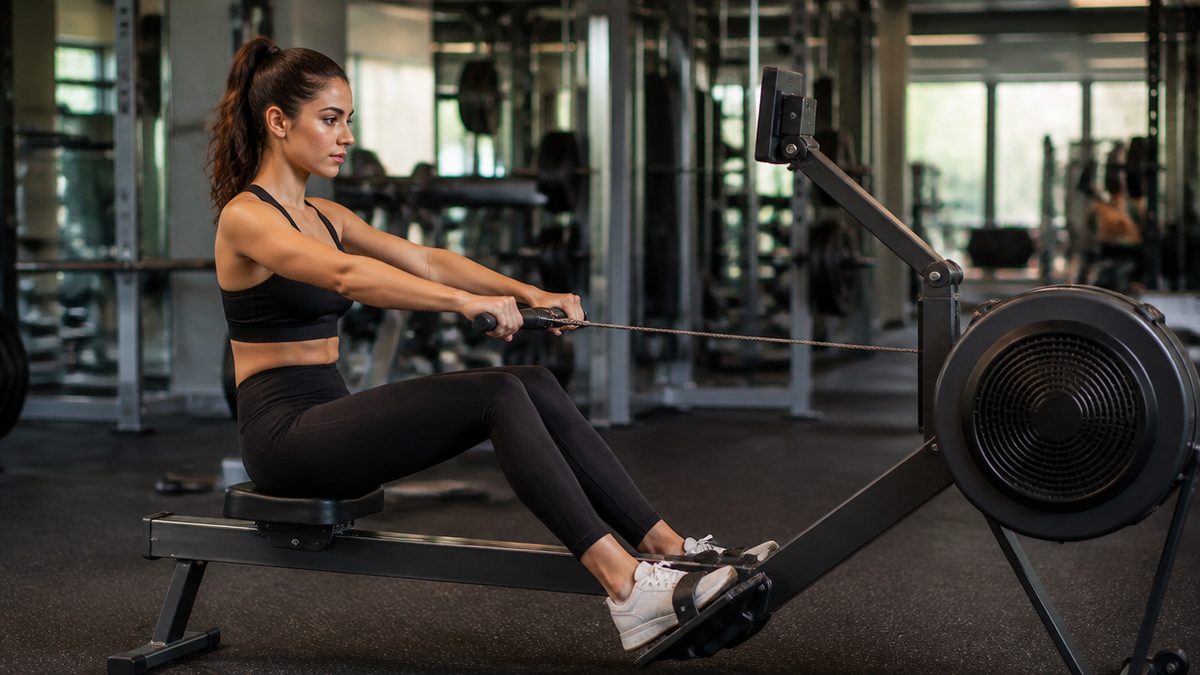
What should I know as a gym beginner? Learn how to train safely, judge effort, handle soreness, track progress, use good gym manners, and build confidence.
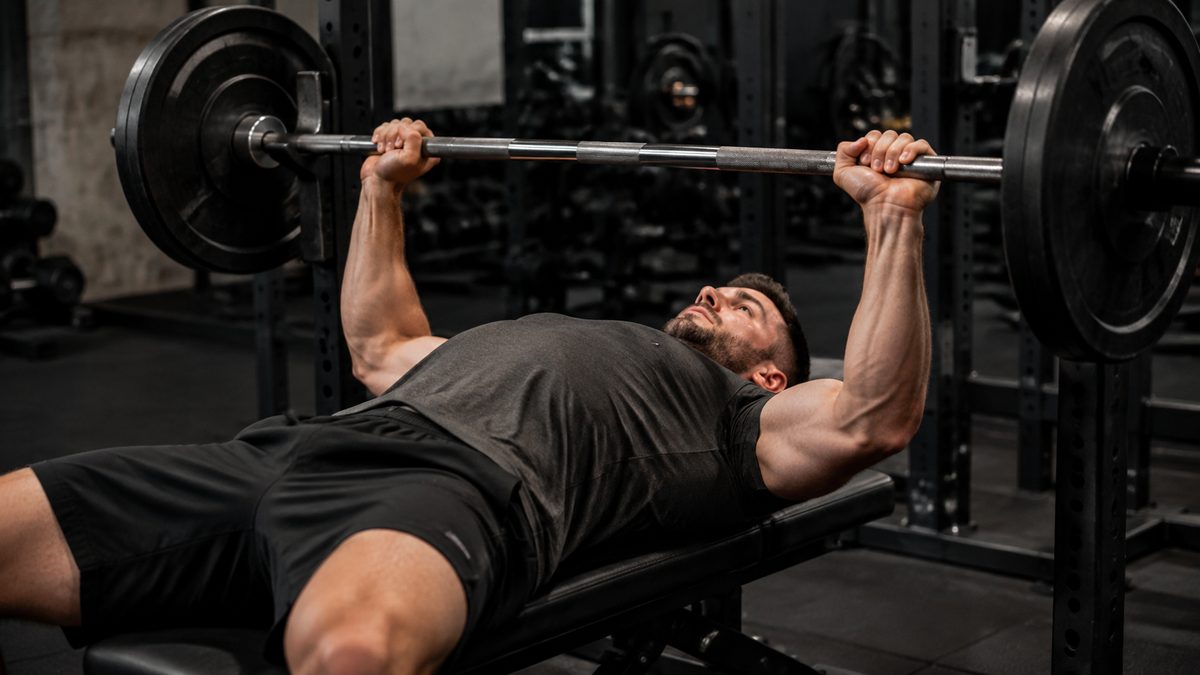
Is 8×3 good for strength? Learn when eight sets of three build force, how much weight to use, and how to manage rest, fatigue, and weekly training volume.

Who should avoid bungee jumping? Learn which heart, eye, spine, pregnancy and neurological risks require medical clearance or make a jump unsafe.

Learn what qualifications does an exercise scientist have, how accreditation and practical training affect scope, and when clinical care is the safer choice.

Who should not do aerobics? Learn which warning signs and health conditions mean you should stop, seek medical advice, and return to exercise safely later.
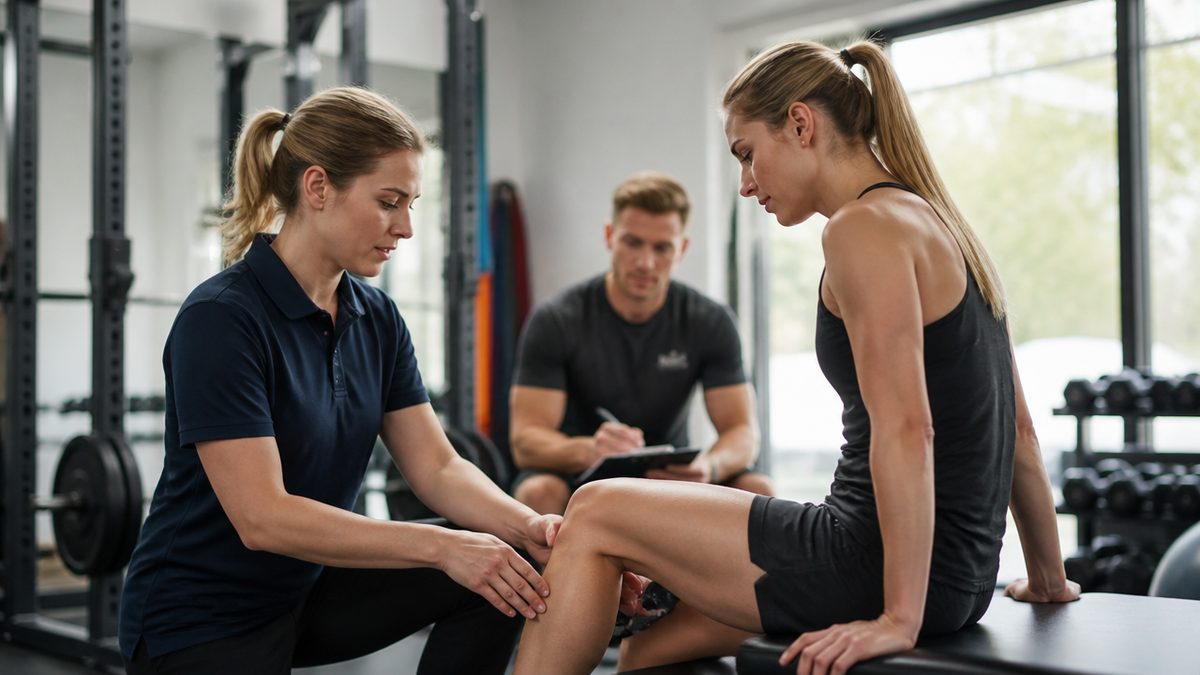
What is the difference between a physiotherapist and an exercise scientist? Compare their training, scope, services and when to choose each one.
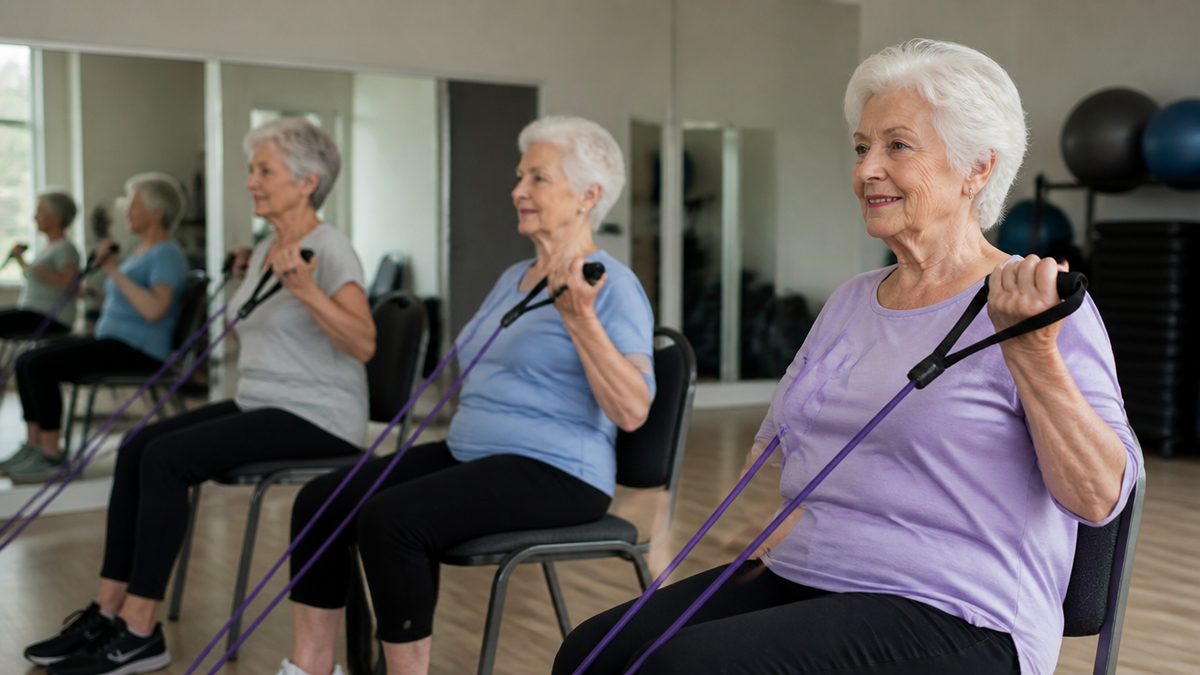
Is bungee exercise good for seniors? Learn its possible strength and balance benefits, key risks, safety checks and how to start with support.

What do you do with an exercise science degree? Explore career paths, required credentials, practical experience, and a clear 6–24 month action plan.

How do people come back up after bungee jumping? Learn why the cord rebounds, why each bounce gets smaller, and how crews complete retrieval safely.
Are exercise scientists in demand? See where Australian jobs are growing, what employers seek, and how to turn an exercise science degree into work.