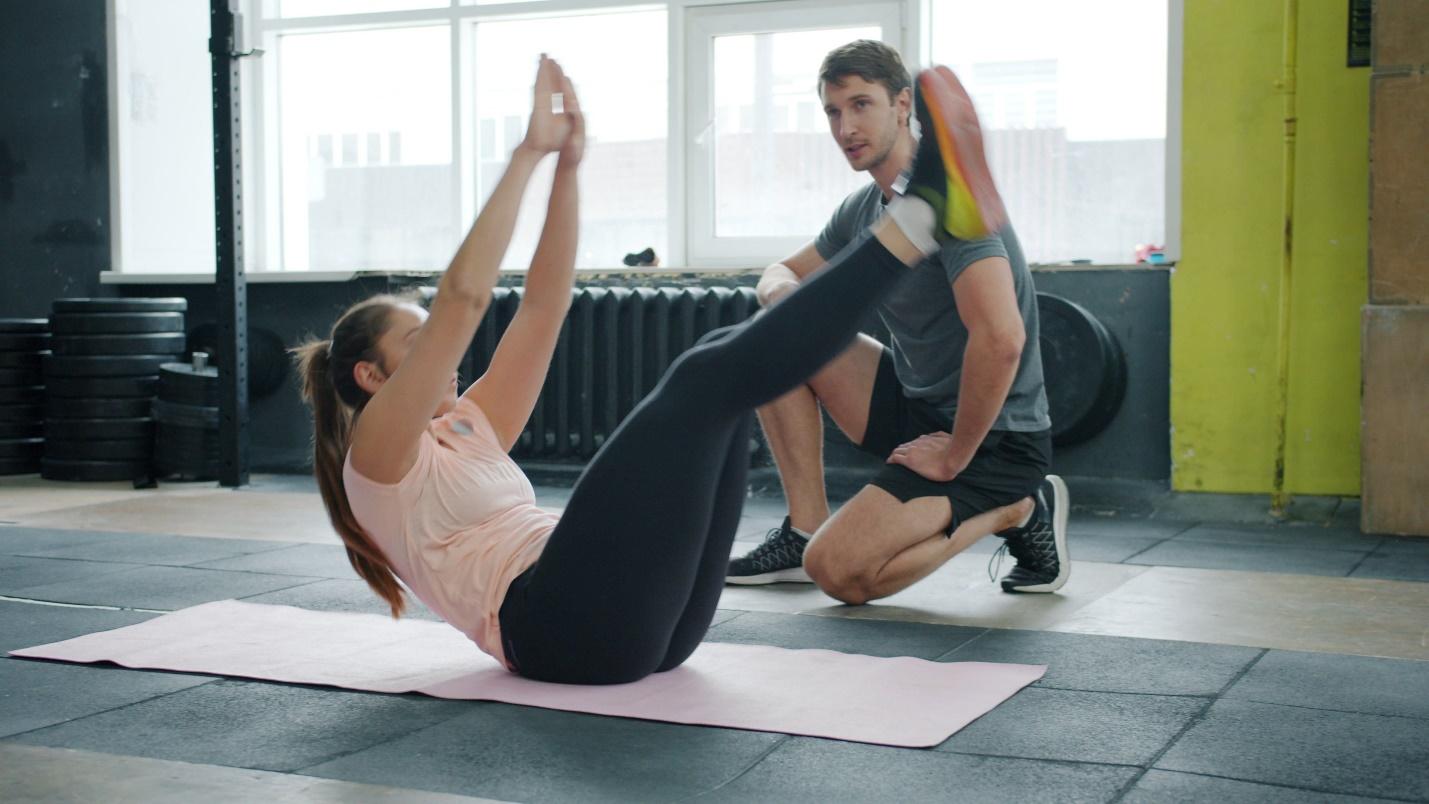
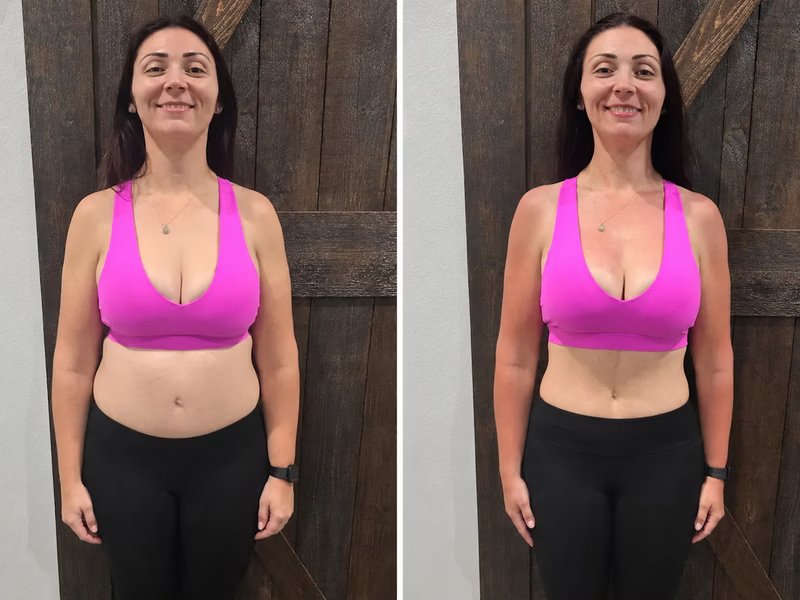
There is no single number one exercise for everyone, but mixing aerobic activity with strength training is the best all-around plan for most adults. Aim for at least 150 minutes of moderate cardio each week, plus strength training on at least two days.
If you have to pick just one activity, brisk walking is a sensible choice. It’s simple, easy to adjust, and open to many people. mixing aerobic activity with strength training
One movement can’t lead every measure of physical fitness. Running may improve heart fitness, but it offers little upper-body strength. A deadlift builds force, yet it doesn’t train the heart and blood vessels like a long walk does.
A better question is this: which plan offers the widest health gains at a level of risk you can handle?
Why does the answer depend on what you measure?
An exercise may rank first for one result and trail behind for another. Someone training for a stronger heart needs a different challenge from someone trying to protect muscle. A person healing from an injury has different limits again.
A fair scorecard should cover several parts of health:
- Heart fitness and the ability to keep going
- Strength and the ability to lift, push, pull, or carry
- Mobility and control through a useful range of motion
- Balance, recovery, safety, and access
No single exercise wins in every area. That’s what simple exercise rankings often miss. They turn exercise into a contest between movements, even though the body needs several kinds of work.
A review of 88 articles found that aerobic, resistance, combined, and high-intensity interval training improved maximal oxygen uptake in adults with overweight or obesity. Across 66 studies involving 3,964 participants, VO2max rose by an average of 3.82 ml/min/kg.
Resistance training led to a smaller gain than aerobic work, while interval training did slightly better than aerobic training for this measure. This shows why the score you choose matters. VO2max measures aerobic capacity, not total-body strength or balance.
Why does a mixed plan cover more of the body?
Aerobic exercise makes large muscles work for a steady stretch of time. Breathing gets deeper, the heart pumps more blood, and the blood vessels carry oxygen to working tissue. With regular practice, a set pace feels easier and you can keep going longer.
Strength training places a different demand on the body. Muscles create force against resistance. Over time, the body gets better at the movement and at producing force.
Strength work also gives muscle a reason to stay useful when daily life becomes less active.
A trial involving 48 sedentary men with hypertension compared aerobic, resistance, and combined training. All three types improved blood pressure, fitness, and body composition, while combined training gave the best overall results in that trial.
The study was small and focused on one group, so it can’t prove that the same plan ranks first for everyone. Still, it backs the sound choice of mixing exercise types when broad fitness is the goal.
Research in adults with type 2 diabetes also supports both aerobic and resistance exercise. A systematic review included trials lasting at least eight weeks and found that the better choice depended on the person and the result being measured.
This doesn’t make exercise a medical treatment that everyone should take at the same dose. It shows that different training styles can each play a useful part in one plan.
When is brisk walking the most useful single choice?
Brisk walking is a strong default when someone needs one activity that’s easy to access and repeat. It raises the heart rate, requires little gear, and fits into an ordinary day. You can change the pace or length without learning a tricky movement.
Brisk means working harder than you would on a casual stroll. Your breathing should speed up, but you should still manage short sentences. The right pace is personal.
A hill may be enough for one walker, while someone else may need to move faster.
Walking earns its place by being repeatable, not perfect. A tough workout isn’t much use if pain, fear, cost, or travel keeps you from doing it. Four short walks may fit a busy week better than one hard session.
Regular practice gives the body a reason to change.
Walking has limits. It gives the upper body little pulling work and may not offer enough resistance to build much strength. As you get fitter, the same route may also become too easy.
Faster bursts, hills, or longer walks can bring back the challenge, but separate strength training is still the clearer way to build force.
Which movements make strength training practical?
A useful strength plan follows movement patterns instead of chasing one famous lift. A squat works the legs as they lower and rise. A push-up builds pushing strength in the chest, shoulders, arms, and trunk.
A row or band pull adds the pulling work that walking leaves out.
The deadlift can train the hips, legs, back, and grip when it’s taught and loaded well. But it isn’t required. A hip hinge with a light kettlebell, raised weight, or resistance band can train a similar pattern at the right level for the person.
Beginners often think the hardest version brings the fastest result. In real life, the version they can control works better. Picture a new client whose hips drop during a floor push-up.
Placing the hands on a bench cuts the load. The person can practise clean repetitions, build strength, and slowly lower the hand position.
The same idea works for a squat. Someone may start by sitting on a high chair and standing again. As control gets better, they can use a lower chair or add a light weight.
The exercise name matters less than good movement and a clear next step.
How does progressive overload improve results?
progressive overload means raising the training demand as the body adapts. Without it, a workout that once sparked change becomes routine. You don’t need a huge jump in weight.
Add a little resistance, do another repetition, work for longer, or try a harder version. Change one thing at a time. That makes it easier to judge the body’s response and keep good form.
Cardio needs progress too. A walker could add five minutes to two weekly walks. Later, they might include a hill or a few short, faster bursts.
The aim is a challenge you can recover from, not total exhaustion after every session.
Progress should leave clues. Record the exercise, load, repetitions, and how hard the set felt. For walking, note the time, route, and effort.
If the same task feels easier after several weeks, your fitness has improved even if your body weight hasn’t changed.
How can you compare exercises without chasing rankings?
Judge an exercise by the job it must do. Begin with your goal, then ask whether the movement gives the right training signal at a cost you can accept.
- Name the result. Decide whether you want more endurance, greater strength, easier daily movement, or help with a sport.
- Check access. Pick an activity that suits your space, gear, schedule, and current ability.
- Set a repeatable dose. Choose a length and effort you can recover from before the next planned session.
- Measure change. Check pace, load, repetitions, comfort, or another result linked to the goal.
This method avoids a common mistake: picking an exercise because it looks impressive. A complex lift may help a trained lifter but waste a beginner’s time when basic control is the real need. Swimming may suit someone who loves the pool, yet fail as a default for a person without regular access.
The best exercise on paper loses if you can’t do it often enough to make the body adapt.
What level of effort should you use?
Moderate cardio should feel like real work. Your breathing speeds up, your body gets warmer, and you can still talk. Vigorous work makes speech harder and calls for more recovery.
Beginners can get fitter without starting at the hard end.
During strength work, end most sets while you could still do a few clean repetitions. Stop when your form changes or pain alters the movement. Muscle effort is normal.
Sharp pain, sudden weakness, or an unstable joint means it’s time to stop.
Hard training is a tool, not a test of character. High-intensity interval training improved VO2max slightly more than aerobic training in the review cited earlier. That doesn’t make intervals the right starting point for every adult.
A smaller gain from a plan you finish beats a possible gain from workouts you keep avoiding.
How can you lower the risk of injury?
Injury risk rises when a workout asks for more than the body can handle. Big jumps in volume or load are common causes. Poor control, too little recovery, and repeating painful movements add more strain.
Start below your maximum. Learn the movement with a steady setup, then raise one factor at a time. Shoes, machines, and fancy exercise names can’t replace sensible loading.
Normal workout discomfort is usually spread out, tied to effort, and fades after the set. Warning signs include chest pressure, fainting, severe breathlessness that doesn’t ease, or sudden pain. Stop exercising and seek urgent medical help for severe symptoms.
People with unstable symptoms, a recent operation, or medical limits should get personal advice before changing their exercise plan.
A past injury doesn’t always mean avoiding a movement forever. You may only need to change the range, load, speed, or setup. A qualified trainer can help with exercise form.
A health professional should check symptoms that are severe, new, or getting worse.
What can a simple all-around week look like?
A workable plan spreads cardio and strength across the week. It allows enough room for recovery and can handle a busy day.
- Complete moderate cardio in sessions that total at least 150 minutes for the week.
- Train the main movement patterns on at least two non-consecutive days.
- Keep the first few weeks manageable, then raise time or resistance in small steps.
- Choose an easier session or rest when tiredness changes your movement quality.
A strength session can include a squat pattern, a push, a pull, and a hip hinge. One or two controlled sets of each may be enough for a beginner to practise. The exact exercises can change based on gear, skill, and injury history.
The weekly target is a destination, not a test you must pass on day one. Someone who does little activity now might begin with ten-minute walks and two short strength sessions. Build the habit first.
Progress becomes easier after that.
How will you know the plan is working?
Use measures tied to your reason for exercising. Better heart fitness may look like a faster walk at the same effort or less breathlessness on a familiar hill. Greater strength may show up as more controlled repetitions or a heavier load with the same form.
Daily life offers useful proof. Stairs may feel easier. You may carry the shopping with fewer stops.
Getting out of a low chair may feel safer. These changes often mean more than a ranking based on calories burned in one workout.
Check the plan after several weeks. If your performance improves and recovery stays steady, keep going. If nothing changes, add a small training demand.
If pain or deep tiredness builds, lower the dose and look for the cause.
What should you do next?
Stop hunting for one perfect movement. Build a plan that trains both endurance and strength. Pick cardio you can repeat, then add simple resistance exercises for the main movement patterns.
Track one measure for each type of training so you can see your progress.
Your single action today is to schedule one brisk walk and one beginner-friendly strength session for the coming week.
Frequently asked questions about What is the #1 exercise?
What is the no. 1 best of exercise?
Walking is the best all-around exercise for most people. It is simple, free, and good for your heart and body.
What are the top 3 exercises?
The top three exercises are walking, squats, and push-ups. Together, they build fitness, leg strength, and upper-body strength.
What should be the first exercise?
Start with walking because it is easy and gentle on the body. Begin with a short walk and slowly add more time.
What are the top 5 exercises?
Five great exercises are walking, squats, push-ups, planks, and lunges. They help improve fitness, strength, balance, and movement.
Sources
- van Baak MA, Pramono A, Battista F, Beaulieu K, Blundell JE, Busetto L, et al. (2021) “Effect of different types of regular exercise on physical fitness in adults with overweight or obesity: Systematic review and meta-analyses” Obesity reviews : an official journal of the International Association for the Study of Obesity. PMID: 33939229
- Alemayehu A, Teferi G (2023) “Effectiveness of Aerobic, Resistance, and Combined Training for Hypertensive Patients: A Randomized Controlled Trial” Ethiopian journal of health sciences. PMID: 38784482
- Yang Z, Scott CA, Mao C, Tang J, Farmer AJ (2014) “Resistance exercise versus aerobic exercise for type 2 diabetes: a systematic review and meta-analysis” Sports medicine (Auckland, N.Z.). PMID: 24297743