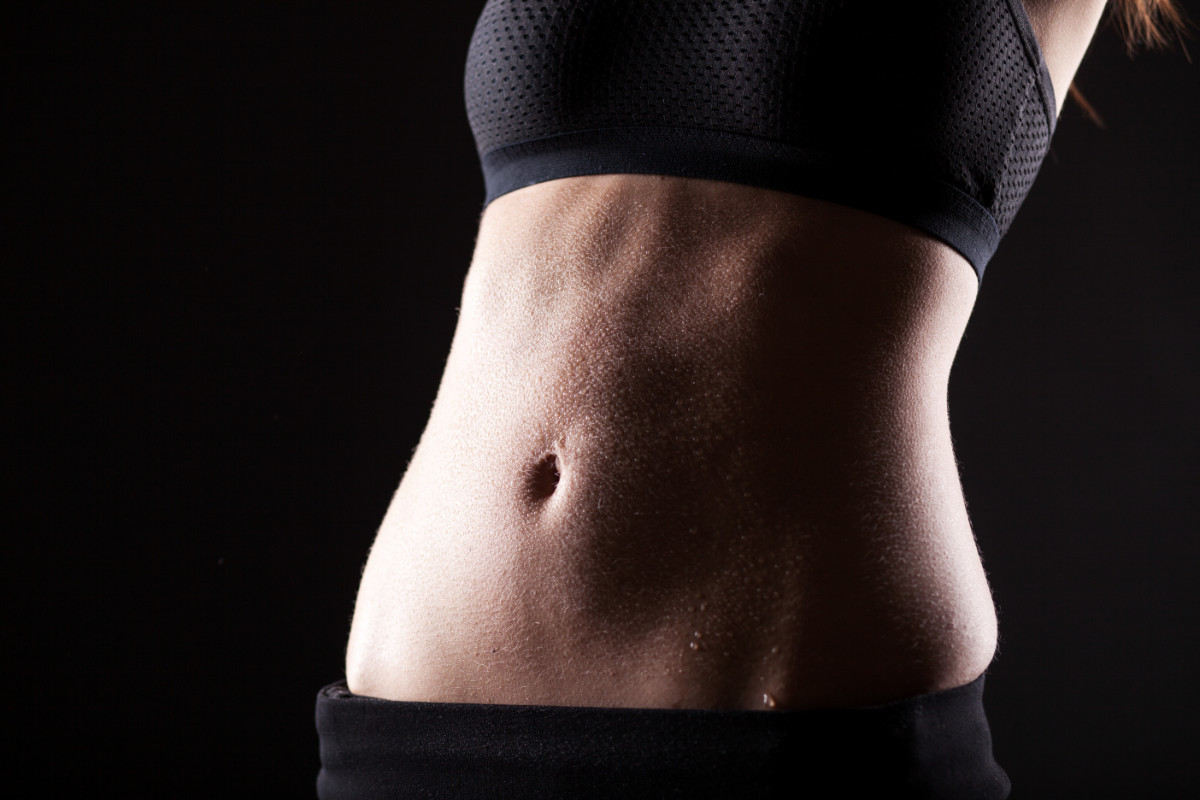
Why does your stomach look bigger after working out? You finish a great workout. You feel strong. But then you look in the mirror and your stomach looks bigger than before. This happens to many people and it can feel confusing.
Your stomach gets bigger after exercise because of three main reasons. Your muscles swell with blood and fluid. Your body holds onto water. Gas builds up in your digestive system. These changes are normal and temporary.
Does Exercise Make Your Stomach Swell?
Yes. Exercise makes your stomach muscles swell.
When you work out, blood rushes to your muscles. Your abs and core muscles fill with fluid during and after training. This process is called inflammation. Your body sends extra blood to repair the tiny tears in your muscle fibres. The swelling can last 24 to 48 hours after your workout.
Research shows that muscle tissue holds water when it repairs itself. Your muscles need this fluid to grow stronger. The temporary bloating means your body is doing its job.
Why Does Water Retention Happen After Exercise?
Your body stores extra water after intense workouts.
Hard training stresses your muscles. Your body responds by holding onto water to help with recovery. This water weight can add 1 to 2 kilograms to your scale weight. The fluid sits in your muscle tissue and around your organs.
High intensity cardio and strength training both cause water retention. Your body also stores more glycogen after exercise. Each gram of glycogen holds 3 grams of water. This is why “Why is my stomach bigger after working out?” is such a common question among people who train regularly.
9 Steps To Shed 5–10kg in 6 Weeks
While spending as little as 90 minutes per week in the gym!
Includes an exercise plan, nutrition plan, and 20+ tips and tricks.
Without dead boring diets that are like watching paint dry
Without getting results at a snails pace
Gym or at home version
Can Working Out Cause Digestive Bloating?
Yes. Exercise affects your digestion.
When you work out, blood moves away from your stomach to your working muscles. This slows down digestion. Food sits in your gut longer. Gas builds up. Your stomach pushes out.
Intense exercise can also trigger inflammation in your digestive system. Some people experience this more than others. The bloating usually goes away within a few hours after training.
How Long Does Post Workout Stomach Swelling Last?
The swelling typically disappears within 2 to 3 days.
Your body needs time to clear the extra fluid. Most people see their stomach return to normal size within 48 hours. Some factors can make it last longer. These include how hard you trained, what you ate, and how much water you drank.
Consistent training helps your body adapt. People who exercise regularly often experience less bloating over time. Your body gets better at managing inflammation and fluid balance.
What Foods Make Post Workout Bloating Worse?
Certain foods increase stomach swelling after exercise.
High sodium foods make your body hold more water. Processed foods, salty snacks, and restaurant meals contain lots of sodium. Carbonated drinks add gas to your digestive system. Artificial sweeteners can cause bloating in many people.
Foods that help reduce bloating include:
- Cucumber
- Watermelon
- Celery
- Asparagus
- Bananas
- Ginger
- Peppermint tea
These foods have natural properties that help your body release excess water.
Does Drinking More Water Help or Make It Worse?
Drinking more water helps reduce bloating.
This sounds backwards but it works. When you drink enough water, your body stops holding onto extra fluid. Your kidneys flush out the excess. Aim for 2 to 3 litres of water per day. Drink more if you sweat heavily during workouts.
Dehydration makes bloating worse. Your body panics and stores every drop of water it can find. This creates more swelling, not less.
Can Core Exercises Make Your Waist Bigger?
Core training can temporarily increase waist size.
Your ab muscles swell after direct core work. Exercises like crunches, planks, and Russian twists cause inflammation in your stomach muscles. The swelling makes your waist look thicker for 1 to 2 days.
Building muscle in your core does add some size. But this is lean muscle tissue, not fat. Strong core muscles actually help create a tighter, flatter appearance once the temporary swelling goes down. The key is patience and consistent training.
Should You Worry About a Bigger Stomach After Exercise?
No. This is a normal response to training.
Your body is recovering and adapting. The temporary swelling shows your muscles are working to get stronger. You should only worry if the bloating lasts more than a week or comes with pain.
Signs that need medical attention include:
- Severe pain in your stomach
- Bloating that lasts more than 7 days
- Nausea or vomiting
- Inability to pass gas
- Fever
- Blood in your stool
These symptoms are rare but require a doctor visit.
How Can You Reduce Stomach Swelling After Workouts?
Several strategies help minimize post workout bloating.
Eat smaller meals before training. Large meals sit in your stomach during exercise. This increases bloating and discomfort. Eat 2 to 3 hours before your workout or have a small snack 30 minutes before.
Reduce salt intake. Excess sodium makes your body hold water. Check food labels and choose fresh foods over processed options. Your daily sodium should stay under 2,300 milligrams.
Move around after training. Light walking helps your digestive system work better. A 10 to 15 minute walk after your workout can reduce gas and bloating.
Get enough sleep. Poor sleep increases inflammation throughout your body. Aim for 7 to 9 hours per night. Your body does most of its recovery work while you sleep.
Manage stress levels. High stress triggers your body to hold onto water and increases inflammation. Deep breathing, meditation, or gentle yoga can help.
Does the Type of Exercise Matter?
Yes. Different workouts cause different amounts of bloating.
Heavy strength training creates more muscle swelling than light cardio. Exercises that target your core directly cause more stomach bloating. High intensity interval training (HIIT) can increase water retention more than steady state cardio.
This does not mean you should avoid these workouts. The temporary bloating is part of getting stronger. Your body adapts over time and the swelling becomes less noticeable.
Can Hormones Affect Post Workout Stomach Size?
Hormones play a big role in bloating.
Women experience more bloating during certain times of their menstrual cycle. Oestrogen and progesterone affect how much water your body holds. The week before your period often brings extra bloating. This combines with post workout swelling to make your stomach look bigger.
Cortisol, your stress hormone, also increases water retention. Hard workouts raise cortisol levels temporarily. This is normal and healthy. But chronic stress keeps cortisol high all the time. This leads to constant bloating and makes it harder to see your abs.
What About Supplements and Protein Shakes?
Some supplements increase bloating.
Protein powder can cause gas and stomach swelling in some people. Whey protein affects people with lactose sensitivity. Artificial sweeteners in many protein shakes trigger bloating. Creatine makes your muscles hold more water, which can increase stomach size temporarily.
If supplements cause bloating, try these changes:
- Switch to plant based protein powder
- Choose unflavoured options without sweeteners
- Drink protein shakes slowly
- Take smaller serving sizes
- Mix powder with water instead of milk
How Does Your Breathing Affect Stomach Size During Workouts?
Poor breathing technique increases bloating.
Many people hold their breath during hard exercises. This traps air in your stomach. You swallow extra air without realizing it. The gas builds up and makes your belly push out.
Proper breathing helps reduce this problem. Exhale during the hard part of each exercise. Breathe through your nose when possible. This filters the air and reduces how much you swallow.
FAQ
Why does my stomach stick out more after ab workouts?
Your ab muscles swell with blood and fluid after direct core training. This inflammation is temporary and shows your muscles are recovering. The swelling goes down within 24 to 48 hours.
Is it normal to gain weight after starting a new workout routine?
Yes. New exercise routines cause your body to hold 1 to 3 kilograms of water weight. Your muscles store extra glycogen and fluid for recovery. This weight is not fat and will stabilize after 2 to 3 weeks.
Can dehydration make your stomach look bigger after exercise?
Yes. When you are dehydrated, your body holds onto every bit of water it can find. This creates more bloating, not less. Drink plenty of water before, during, and after your workouts.
Does eating right after a workout cause bloating?
Eating immediately after exercise can slow digestion because blood is still flowing to your muscles instead of your stomach. Wait 30 to 60 minutes after training before eating a large meal.
Will the bloating stop if I keep exercising regularly?
Your body adapts to regular exercise over time. Most people experience less bloating after 4 to 6 weeks of consistent training. Your body gets better at managing inflammation and fluid balance.
Can I do anything during my workout to prevent stomach swelling?
Stay hydrated during training. Breathe properly through each exercise. Avoid eating large meals within 2 hours of your workout. These steps help minimize bloating.
Does the time of day I exercise affect stomach bloating?
Morning workouts may cause less digestive bloating because your stomach is empty. Evening workouts can increase bloating if you have eaten several meals during the day. Choose the time that works best for your schedule and digestion.
Should I avoid certain exercises if I want a flatter stomach?
No. All exercises cause temporary swelling. The long term benefits of core training outweigh the short term bloating. Strong core muscles create a tighter, flatter appearance once the inflammation goes down.
The Bottom Line
Your stomach looks bigger after working out because of normal body processes. Muscle inflammation, water retention, and digestive changes all contribute to temporary bloating. This swelling is not fat gain. It shows your body is recovering and getting stronger.
The bloating goes away on its own within 2 to 3 days. You can speed up recovery by drinking enough water, eating less salt, and getting good sleep. Regular exercise helps your body adapt and reduces bloating over time.
Do not let temporary swelling discourage you from training. The short term bloating is part of building a stronger, healthier body. Focus on how you feel and how your clothes fit over weeks and months, not how your stomach looks right after a single workout.