Compound exercises like squat-to-presses, deadlifts, rows, push-ups, pull-ups, loaded carries, kettlebell swings and burpees work the entire body. They force several joints and big muscle groups to act at once. No single move trains every muscle through every useful action, so a sound full-body workout blends a lower-body move with pushing, pulling, bracing and carrying.
The idea is simple: pick exercises by movement pattern, not by how many muscles feel worn out. A hard burpee may leave you gasping, but it does little for pulling strength. A deadlift works a huge amount of muscle, but it doesn’t take the shoulders through an overhead press. compound exercises
A few well-chosen patterns give you more complete training than one punishing exercise.
What makes an exercise a full-body movement?
A full-body exercise makes the upper body, lower body and trunk create or control force together. Your legs might drive the move while your back holds firm, your hands grip the load and your stomach muscles keep the spine from folding.
The squat-to-press is a clear example. The squat works the thighs and gluteal muscles. The upward drive sends force through the trunk.
The overhead press then makes the shoulders and arms finish the move while the upper back controls the weight. Many joints join in, including the hips, knees, ankles, shoulders and elbows.
That doesn’t mean every muscle works equally. The main working muscles create motion, while others brace a joint or keep your body steady. During a deadlift, the hips and legs move the load while the hands grip it, the upper back holds it close and the trunk resists bending.
All those jobs count, even when some body parts hardly move.
This is where many workout lists miss the mark. They count muscle involvement but overlook the muscle’s job. Holding a plank during a push-up trains the trunk, but it doesn’t replace loaded rotation or a heavy carry.
Whole-body involvement helps. Complete training still calls for more than one pattern.
Which movement patterns give the widest muscle coverage?
A useful full-body plan includes a squat, a hinge, an upper-body push and an upper-body pull. Carrying, crawling and controlled rotation can plug gaps left by those main lifts. Well-designed fitness equipment can streamline your access to these movement patterns. well-designed fitness equipment
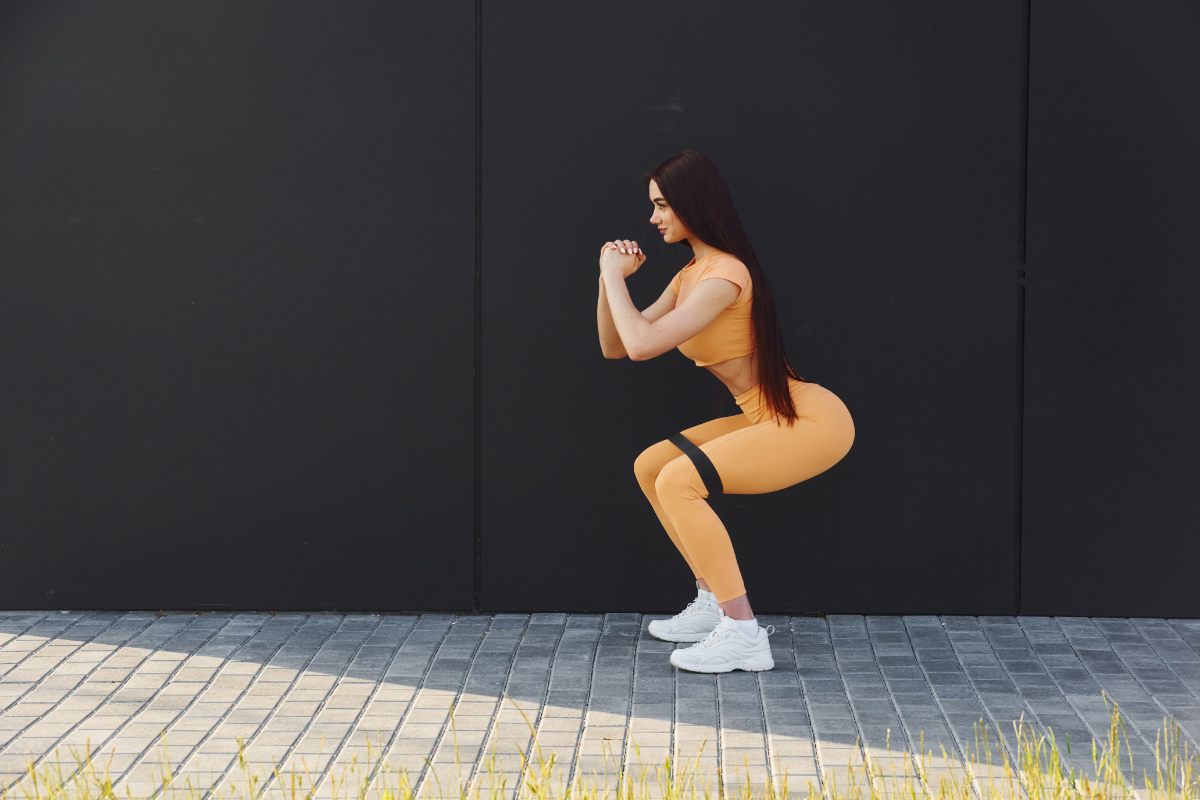
A squat bends the hips and knees together. Bodyweight squats, goblet squats and front squats work the thighs, gluteal muscles and trunk. Holding weight at your chest also puts the arms and upper back to work, but a squat is still led by the lower body.
A hinge sends the hips back as the torso tips forward with a firm spine. The deadlift, Romanian deadlift and kettlebell swing follow this pattern. They work the gluteal muscles, hamstrings, back and grip.
The swing adds speed, so the hips must create force fast while the arms guide the bell.
Push-ups and overhead presses cover two different pushing angles. A push-up works the chest, shoulders, arms and trunk. An overhead press takes the shoulders through a higher range while the legs and stomach muscles form a solid base.
Rows and pull-ups cover pulling. A row draws resistance toward the torso, while a pull-up lifts the body toward the hands. Both work the back, arms and grip, though their joint angles aren’t the same.
Including a pull matters because pressing alone can leave the upper back short on training.
Loaded carries have you walk while holding dumbbells, kettlebells or another safe load. They work grip, posture, breathing under tension and control through every step. A one-sided suitcase carry also makes the trunk fight side bending and rotation.
Which exercises give the most work in the least time?
The best picks are moves you can do well, load in small steps and recover from before your next session. Complexity alone doesn’t make an exercise useful.
Squat-to-press
Hold a dumbbell or kettlebell near your chest. Squat to a depth you can control, stand with force, then press the load overhead. This joins leg drive with upper-body pressing.
Use a light load until you can keep your knees steady and finish the press without leaning back.
Deadlift
The deadlift uses plenty of muscle for a simple task: lift an object from the floor while keeping it close. It suits strength training because you can raise the load in measured steps. Start with the weight on blocks if reaching the floor makes your back round or your hips tuck under.
Renegade row
Start in a high plank with your hands on dumbbells. Row one weight without letting your hips twist, then switch sides. The back and arms pull as the chest, legs and trunk hold the body still.
A wider foot position makes control easier. Regular supported rows are a better pick if your wrists or lower back limit the plank position.
Push-up
A well-done push-up is a moving plank. Keep your head, ribs and hips in one line while the elbows bend. Raise your hands on a bench if the floor version makes your hips sag.
This change keeps the move honest while cutting the load.
Pull-up
The pull-up works the upper back, arms, grip and trunk. Most beginners need some help at first. A resistance band, assisted machine or slow lowering phase can build the strength you need.
Pulling the shoulders down before bending the elbows often gives you better control.
Kettlebell swing
The kettlebell swing is a quick hinge, not a squat with an arm raise. The hips drive the bell. The arms stay loose, and the trunk turns firm as the body reaches a tall position.
Stop the set when the hinge becomes a shallow squat or the lower back starts taking over.
Burpee
A burpee combines getting down to the floor, holding body weight on the hands and standing again at speed. Some versions include a push-up or jump. It lifts your breathing rate fast, but tiredness can wreck your position.
Step the feet back and forward if jumping makes control shaky.
How should these exercises fit into one workout?
Build the session around good movement. Start with the exercise that takes the most skill or strength. Put simpler moves later, once tiredness starts to climb.
One practical session might include a goblet squat, push-up, Romanian deadlift, supported row, overhead press and suitcase carry. This covers both key lower-body patterns, both upper-body actions and loaded walking. It also means no single exercise must handle every job.
Do two to four sets of each movement. Pick a load that lets you end each set with about two good repetitions left. Rest long enough to repeat the same form.
That may mean one minute after a light set or several minutes after a heavy deadlift.
Repetition targets should fit the movement. Heavy lifts often work well with shorter sets. Push-ups and rows can use moderate sets, while carries work better by distance or time.
The exact number matters less than steady progress with clean technique.
For a shorter session, pair moves that don’t compete much. A squat can alternate with a row. A hinge can alternate with a push-up.
Finish with a carry or crawl. This keeps things moving without turning every set into cardio.
Can bodyweight training cover the whole body?
Yes, bodyweight training can cover the main patterns if your plan includes a true pulling exercise. Squats, split squats, push-ups, bear crawls and burpees need little room. Pull-ups, inverted rows or band rows add the pulling work that floor circuits often miss.
Animal movement drills like bear crawls make the opposite hand and foot move together. This works shoulder control, hip movement and trunk stability. Crawling can also teach you to keep breathing while your body stays braced.
It works best as a controlled drill, not a race across the room.
Bodyweight exercise still needs to get harder over time. Add range, slow the lowering phase or switch to a tougher version when sets become easy. For squats and hinges, adding weight often becomes the easiest way to keep building muscle and strength.
Endless easy repetitions build endurance more than force.
How can you protect your joints while training hard?
Match each exercise to the range you can control today. A joint doesn’t need to reach its deepest possible position for the set to count. It needs a steady path under a suitable load.
Treat pain as a stop signal, not a toughness test. Muscle effort and mild soreness the next day are common. Sharp pain, loss of strength or pain that changes how you move needs assessment by a qualified health professional.
Raise one demand at a time. Add a small amount of weight, one extra repetition or a little more range. Changing everything at once makes it tough to spot what caused pain or poor form.
Technique should fit your build, too. People have different limb lengths and joint shapes. One person might squat with a narrow stance, while another needs wider feet.
Both can train well if the knees follow the feet and the movement stays controlled.
I remember a common pattern when coaching new lifters: they tried to copy the depth and stance of the person next to them. Their heels rose and their knees rolled inward. A small heel lift and a stance change gave them a stronger, smoother squat.
The lesson is simple. Train the pattern, not its exact look.
What mistakes make full-body training less effective?
The first mistake is picking exercises because they feel brutal. Fast burpees and swings cause heavy breathing, but hard effort doesn’t prove that every movement pattern got enough work. Track strength, control and recovery along with sweat.
The next mistake is turning every lift into a combination exercise. A curl-to-lunge-to-press may look efficient, but the smallest muscle often limits the load. The legs then get little useful resistance.
Separate lifts can create a better training effect in the same session.
Another mistake is skipping pulls because push-ups are easier to do at home. Over time, that leaves little direct work for the back and elbow flexors. A doorway pull-up bar, resistance band or sturdy inverted-row setup closes that gap.
Many people also chase variety before building skill. Keeping the same main exercises for several weeks makes progress easy to track. Small changes can then fix a clear problem instead of giving you a brand-new learning task every workout.
How often should you repeat a full-body session?
Two or three sessions each week work well for most beginners. Leave at least one recovery day between hard sessions that train the same muscles. A light walk, easy mobility work or gentle cycling can fit between them.
Muscle and strength grow from training followed by recovery. More sessions help only if you can keep doing good work and recover from it. Poor sleep, falling performance and aching joints mean the current load is more than you can restore.
Move ahead when every planned repetition looks steady. Add the smallest available load or one repetition to each set. If your form slips, stay at the same level next session.
Small, steady gains beat random hard workouts.
What should you do at your next workout?
Pick one squat, one hinge, one push and one pull that match your current skill. Add a loaded carry or controlled crawl if time allows. Warm up with easier versions, do two working sets of each exercise and record the load and repetitions.
Your single takeaway: build full-body training from movement patterns, then improve those same movements a little each week.
Frequently asked questions about What exercises work the entire body?
Is there one exercise that works the entire body?
No single exercise works every muscle in your body equally. A burpee comes close because it uses your legs, chest, arms, and core.
What are the 5 exercises that work the entire body?
Five full-body exercises are squats, push-ups, lunges, burpees, and rowing. Together, they work your legs, arms, chest, back, and core.
What exercises work your entire body?
Burpees, squats, push-ups, lunges, rows, and mountain climbers work most of your body. Using a mix of these moves helps build strength in all major areas.
What are the 8 basic exercises that work the entire body?
Eight basic full-body exercises are squats, lunges, push-ups, rows, planks, burpees, mountain climbers, and jumping jacks. These moves work your legs, arms, chest, back, and stomach muscles.