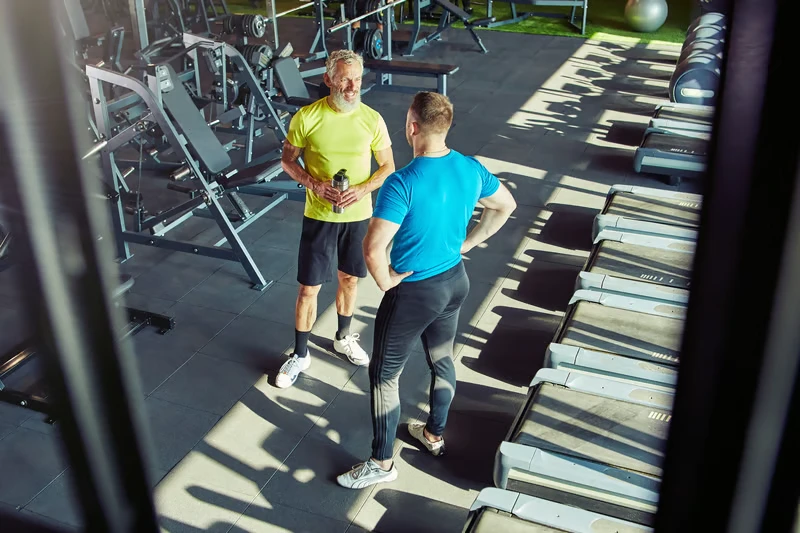
Walking, interval training and heavy lifting flatten your stomach more than any single ab move, and diet decides how much of the result shows. Your Abdomen is where many people store the most stubborn fat, and no exercise can remove it from there alone. When you train and eat in a calorie deficit, your body draws energy from adipose tissue all over, and the belly often responds well to the right combination of workouts and food.
Evidence from 2023 reviews found that moderate to high intensity aerobic exercise and interval training beat other exercise types for reducing visceral fat, the deep fat that wraps around your organs. Strength training adds to that by building skeletal muscle, which raises the energy you burn at rest and gives your midsection a firmer shape as the fat comes off.
Does doing crunches flatten your stomach?
No. Crunches and sit-ups strengthen your ab muscles, but they do not burn the fat covering them. Fat loss happens when you eat fewer calories than you burn, and your body decides where that fat comes from. Doing 1,000 crunches a day will not change that if your food intake stays the same.
A study on abdominal exercise found that six weeks of ab training alone did not reduce belly fat or waist size. Participants got stronger abs, but the layer of fat on top stayed put. Crunches are good for building muscle and a stable trunk, not for flattening your stomach by themselves.
What type of cardio burns belly fat fastest?
Walking burns more than most people expect, mainly because it adds up across the whole day. Research shows a highly active person can burn up to 2,000 more calories per day from everyday movement than someone who sits all day. This everyday movement is called NEAT, or non-exercise activity thermogenesis.
Hard cardio can backfire in a surprising way. In one study, people burned 2,000 calories per week through cardio. On paper, they should have lost about two pounds of fat per month. The actual loss was less than half that, and some people lost nothing. They moved less for the rest of the day, so their bodies clawed back the energy they had spent. Sessions that leave you exhausted often cut your NEAT without you noticing.
Aim for 7,000 to 12,000 steps per day. A 30 minute walk gives you about 3,000 steps and burns roughly 100 to 200 calories. Do this daily for a month and you lose an extra pound or so of fat. If you want to know how many steps support significant weight loss, that guide breaks down the numbers.
High intensity interval training also works well for visceral fat. A 2023 meta-analysis found that pushing your heart rate above 75% of your maximum helped reduce deep belly fat. That is hard enough that you breathe heavily and struggle to talk, but it is not an all-out sprint. Intervals give you a strong fat-loss effect in far less time than steady cardio, which makes them easier to fit around walking and lifting.
How does strength training flatten your stomach?
Strength training builds skeletal muscle, and muscle costs more energy to maintain than fat. A pound of muscle burns about 6 calories per day at rest, compared with about 2 for a pound of fat. Gaining muscle is slow, so treat this as a long-term boost to your Metabolism rather than a quick fix. Even a modest gain over a couple of years adds up to a meaningful daily difference.
Lifting also protects the muscle you already have while you diet. Without it, a calorie deficit can strip away muscle along with fat, leaving you lighter but softer. That is a big reason lifters often look flatter than people who only do cardio at the same scale weight.
Build the week around big lifts such as squats, deadlifts, presses and rows. Legs are your largest muscle group, so leg sessions use the most energy and are worth doing early in the week while you are fresh. There is no strong evidence that one leg day sets your metabolism on fire for days afterward, so the real benefit is consistency and effort, not timing tricks.
For your abs, weighted movements work better than bodyweight alone. Use weighted crunches, cable work and planks with progression rather than endless unloaded reps. That way, once the fat covering your stomach comes off, the muscle underneath is already developed.
What foods make belly fat worse?
Saturated fat and added sugar can increase visceral fat even when calories stay the same. In a 2014 study, two groups were overfed by 750 extra calories per day from muffins. One group ate muffins made with polyunsaturated fat from nuts and seeds. The other ate muffins made with saturated fat from butter. After 7 weeks, both groups gained similar weight, but the saturated fat group stored about double the visceral fat.
A 2009 study compared fructose with glucose. After 10 weeks, only the fructose group increased visceral fat. Table sugar and high-fructose corn syrup both contain fructose. Fruit contains it too, but it comes with fiber and water, which makes it hard to overeat. Drinks are a different story. Even small habits matter here, and people often ask whether lemon water helps reduce belly fat. It mostly helps by replacing sugary drinks, not through any special fat-burning effect.
Keep saturated fat to roughly 20 to 30 grams per day. A ribeye steak cooked with oil and butter can top 60 grams of fat, with almost half of it saturated, and run to about 700 calories in one meal. Swap ribeye for top sirloin and you cut around 15 grams of saturated fat. Smart Dieting is less about cutting foods you love and more about swapping the highest-leverage items.
How much protein do you need to lose belly fat?
Eat 0.8 to 1 gram of protein per pound of body weight each day. A 180 pound person needs about 144 to 180 grams daily. Protein burns around 20 to 30% of its calories during digestion, well above carbohydrate or fat. Studies show that switching from a low protein diet to a high protein one raises your daily calorie burn by a small but real margin.
Protein also keeps you full. A 2005 study asked participants to double their protein intake and change nothing else. They naturally ate fewer calories and lost over 10 pounds in 12 weeks, almost all of it fat. High protein intake also gives your muscles the raw material to recover from lifting, so you keep more of your lean mass while the fat comes off.
The best workout plan for a flat stomach
Here is what works, based on the research above:
- Walk 7,000 to 12,000 steps every day
- Do 2 to 3 interval cardio sessions per week lasting 15 to 25 minutes each
- Lift weights 3 to 5 times per week, focusing on big muscle groups
- Train legs early in your week while your energy is highest
- Push your heart rate above 75% of max during hard cardio
For interval cardio, warm up for 5 minutes, then go hard for 30 seconds until you cannot hold a conversation. Recover for 90 seconds. Repeat 6 to 10 rounds. Whether you train at a Gym or at home, the structure is the same. If you want someone to build and coach this around your schedule, a personal trainer in Southbank can set up the programming and keep your technique sharp.
How long until you see results?
You can safely lose about 0.5 to 1% of your body weight per week. A 180 pound person can lose 0.9 to 1.8 pounds weekly. At that rate, visible changes around your stomach usually show in 4 to 8 weeks.
Visceral fat often responds faster than the fat under your skin. Some people notice their gut tightening in about 30 days, and one case study reported a 50% drop in visceral fat after 10 weeks. Your results depend on how much you have to lose, how well you stick to the plan, and how much you sleep.
How to track progress when the scale lies
Body weight alone can hide real progress. If you are lifting and eating enough protein, you may gain a little muscle while losing fat, so the scale barely moves while your waist shrinks. Use a few measures together instead.
- Waist measurement: Measure at the level of your navel, relaxed, once a week at the same time of day. A falling number is a strong sign that belly fat is going down.
- Waist-to-height ratio: Divide your waist by your height. Keeping it below 0.5 is a widely used target linked to lower health risk.
- Photos: Take front and side photos every two weeks in the same light. Changes in your Abdomen show up here long before the scale reacts.
- Strength and steps: Rising lifts and a steady step count show the habits driving the change are working.
Look at four-week trends rather than daily swings. Water, salt and digestion can move the scale by a few pounds overnight, and they can make your stomach look bloated on a bad day without any change in fat.
FAQ
Can you target belly fat with exercise? No. You cannot spot reduce fat. Your body pulls fat from wherever it chooses when you create a calorie deficit through diet and exercise. The good news is that belly fat, especially visceral fat, often responds quickly to the right program.
Do planks flatten your stomach? Planks strengthen your core muscles but do not burn belly fat directly. They help create a tighter looking midsection once you lose the fat layer through cardio and diet changes.
Is walking or running better for belly fat? Walking works better for most people. Running burns more calories per minute, but people often eat more and move less the rest of the day to compensate. Walking is easier to do daily and does not spike hunger as much.
How many calories should you cut to lose belly fat? Aim for a deficit of 300 to 500 calories per day. This gives you fat loss of 0.5 to 1 pound per week. Cutting more than this makes you hungrier, drains your energy, and often backfires.
Does stress cause belly fat? Yes, it can contribute. Stress raises cortisol, which increases appetite and encourages fat storage around your middle. Getting 7 to 8 hours of sleep and managing stress helps keep belly fat in check.