Are carrots high in protein? No. Raw carrots contain about 0.9 grams of protein per 100 grams, well below most other vegetables. A single chicken breast delivers roughly 54 grams, so you would need around 90 to 100 medium carrots to match it. Carrots are a great snack, but they are not a protein source.
This matters if you want to build muscle, lose fat, or simply meet your daily needs. Most people who train regularly do best on 1.6 to 2.2 grams of protein per kilogram of body weight, because that protein supplies the amino acids your skeletal muscle uses to repair and grow after training. A carrot here and there will not move those numbers.
That does not make carrots a poor choice. They bring vitamin A, dietary fibre and very few calories, and they pair well with foods that do pack protein. Used that way, they can support your physical fitness goals without pretending to be something they are not.
How Much Protein Do Carrots Actually Have?
One medium raw carrot weighs about 61 grams and contains roughly 0.6 grams of protein. Only around 9% of its Calories come from protein. Carbohydrates make up most of the rest at about 86%, and fat contributes around 5%.
Compare that with vegetables that earn the “high protein” label and the gap becomes clear.
Protein content per 100 grams
- Green peas at 5.4 grams
- Kale at 4.3 grams
- Brussels sprouts at 3.4 grams
- Spinach at 2.9 grams
- Broccoli at 2.8 grams
- Carrots at 0.9 grams
Green peas contain six times more protein than carrots gram for gram. Even plain broccoli delivers about three times as much.
Carrot protein is also low in several essential amino acids, so it works out as an “incomplete” protein in practice. Your body cannot make essential amino acids, and a complete protein supplies all nine in useful amounts. Carrots do not, so you could not meet your amino acid needs from them even if you ate buckets.
9 Steps To Shed 5–10kg in 6 Weeks
In only 90 minutes a week!
Includes an exercise plan, nutrition plan, and 20+ tips and tricks.
Without dead boring diets that are like watching paint dry
Without getting results at a snails pace
What Are Carrots Actually Good For?
Carrots may not be protein powerhouses, but they deliver where it counts for general health and fitness support.
Beta carotene and vitamin A
One medium carrot supplies enough beta carotene for your body to make about 509 micrograms of vitamin A equivalents, which is most of a day’s requirement. Your body converts beta carotene into vitamin A, which supports eye health, skin health and a well-functioning immune system, because vitamin A helps maintain the linings of the gut and airways that act as your first line of defence.
Observational research links diets rich in carotenoids with a lower risk of age-related macular degeneration. Carrots are one of the most convenient food sources of these compounds, though they work best as part of a varied, colourful diet rather than as a single fix.
Fibre
Raw carrots contain about 2.8 grams of dietary fibre per 100 grams. Fibre helps you feel full for longer, supports gut health, and can help moderate blood sugar levels. Carrot fibre is mostly insoluble, which adds bulk and keeps digestion moving, with a smaller share of soluble fibre such as pectin that feeds the beneficial bacteria in your gut.
Low calorie density
A medium carrot contains just 25 Calories. That makes carrots ideal for snacking when you want to keep energy intake low but still eat something satisfying. You can eat plenty of them without denting your calorie budget, which helps with weight loss and general weight management.
Other vitamins and minerals
Carrots provide vitamin K1 for blood clotting and bone health, potassium for blood pressure management, vitamin B6 for energy production, and biotin, which plays a role in fat and protein metabolism.
How Much Protein Do You Actually Need?
Before worrying about whether carrots have enough protein, it helps to know what you actually need each day.
For the average person
The minimum recommendation is 0.8 grams per kilogram of body weight per day. For someone weighing 70 kilograms, that works out to 56 grams daily. This is the baseline to prevent deficiency, not the amount for optimal health or muscle building.
For muscle building
Research suggests 1.6 to 2.2 grams per kilogram of body weight per day is the range to aim for if you want to maximise muscle hypertrophy, the increase in muscle fibre size that follows resistance training. A 2018 meta-analysis of 49 studies found that extra protein improved gains in muscle mass during resistance training, with the benefit levelling off at around 1.6 grams per kilogram for most people.
For a 70 kilogram person, that means 112 to 154 grams of protein daily.
For fat loss
When you cut calories to lose fat, protein becomes even more important. A higher intake of 1.8 to 2.7 grams per kilogram helps preserve muscle mass while your body burns fat for energy. Protein also has a higher thermic effect than other nutrients, meaning your body uses 20 to 30% of protein calories just digesting it.
For older adults
People over 65 need more protein because their bodies become less efficient at using it. Experts recommend 1.2 to 1.6 grams per kilogram to slow the muscle atrophy, the gradual wasting of muscle tissue, that naturally comes with ageing.
What Foods Should You Eat for Protein Instead?
If you want to hit your protein targets, focus on foods that actually deliver. Values below are per 100 grams, with meat and fish measured cooked.
Animal sources per 100 grams
- Chicken breast at 31 grams
- Beef steak at 26 grams
- Salmon at 25 grams
- Eggs at 13 grams
- Greek yoghurt at 10 grams
Plant sources per 100 grams
- Edamame at 11 grams
- Cooked lentils at 9 grams
- Cooked chickpeas at 8 grams
- Tofu at 8 grams
- Green peas at 5.4 grams
Chicken as food is hard to beat for convenience and protein density, and a single breast gives you about 54 grams. You would need roughly 6 kilograms of raw carrots to get the same amount, which is around 100 carrots.
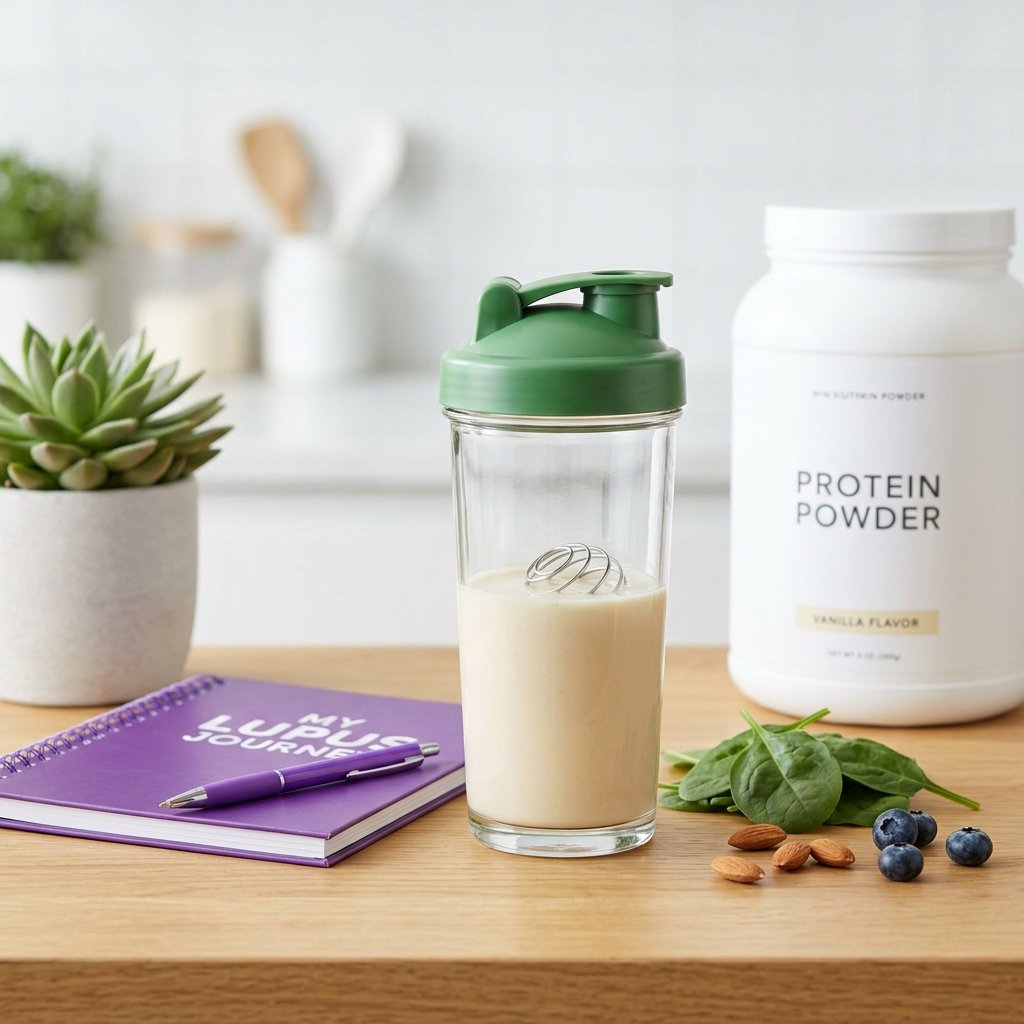
If whole foods are not enough to reach your target, a protein supplement such as whey or a pea-based powder can fill the gap. It is a convenient top-up, not a replacement for meals.
Can Carrots Still Help With Fitness Goals?
Yes, just not through protein. Carrots support physical fitness in other ways.
During fat loss
Carrots work well as a low calorie snack. In a calorie deficit, hunger is the main challenge, and crunchy, sweet carrots can satisfy the urge to snack without adding many calories. This is one small piece of the bigger debate over whether it’s better to eat less or exercise more: filling, low calorie foods make eating less far easier to sustain. Dip them in hummus and you add protein from the chickpeas.
For workout recovery
The antioxidants in carrots, including beta carotene, help manage inflammation. Exercise creates oxidative stress in your body, and antioxidants help keep that stress in check. This supports recovery between workouts, though the protein on your plate does the real work of rebuilding muscle.
For gut health
A healthy gut helps you absorb nutrients from the protein you eat. The fibre in carrots feeds beneficial gut bacteria, which supports digestion and nutrient absorption.
For energy
The natural sugars in carrots, about 4.7 grams per 100 grams, provide quick energy. That makes them a decent pre-workout snack, especially paired with a protein source.
How to Pair Carrots With High Protein Foods
Smart combinations make meals more nutritious and more enjoyable. Cooking carrots with a little fat, such as olive oil, also helps your body absorb more of their beta carotene.
Carrots with hummus
Two tablespoons of hummus contain about 2 grams of protein. Combine that with the fibre from carrots and you get a satisfying snack that covers more nutritional bases.
Carrots in stir fries
Add carrots to a chicken or beef stir fry. The meat provides the protein while the carrots add crunch, sweetness and nutrients without many extra calories.
Carrots in protein smoothies
Blend carrots with a protein supplement, banana and almond milk. The carrots add natural sweetness and vitamin A while the powder handles your protein needs.
Roasted carrots with chicken
Roast carrots alongside a chicken thigh or breast. Simple meals like this balance protein, carbs and vegetables without overthinking it.
Protein Per Calorie: Why Carrots Still Fall Short
Protein per 100 grams is only half the picture. Protein per calorie tells you how efficiently a food helps you reach your target, which matters most when you are managing your energy intake. Carrots are low in calories, but they are lower still in protein, so the ratio stays poor.
| Food | Approx. calories per 100 g | Protein per 100 g | Approx. protein per 100 calories |
|---|---|---|---|
| Carrots (raw) | 41 | 0.9 g | 2 g |
| Green peas | 81 | 5.4 g | 7 g |
| Cooked lentils | 116 | 9 g | 8 g |
| Eggs | 143 | 13 g | 9 g |
| Chicken breast (cooked) | 165 | 31 g | 19 g |
Figures are rounded and vary a little by brand and cooking method, but the pattern is consistent. Chicken breast delivers roughly nine times more protein per calorie than carrots, which is why lean animal foods and legumes anchor most high protein eating plans.
The practical takeaway is to let carrots fill the volume on your plate and let a protein-dense food fill the rest. Aim for a palm-sized serving of lean protein at each meal, spread across the day, so your muscles get a steady supply of amino acids to limit muscle atrophy during a diet and support muscle hypertrophy when you train. If you are unsure how that looks in practice, a Maribyrnong personal trainer can build a nutrition and training plan around your own targets.
FAQ
Can I build muscle eating carrots?
No. Carrots do not provide enough protein or the right balance of amino acids to build muscle on their own. You need protein rich foods like meat, fish, eggs, legumes or dairy.
Are cooked carrots higher in protein than raw?
No. Cooking does not significantly change the protein content of carrots. However, cooking increases the bioavailability of beta carotene, meaning your body absorbs more of it from cooked carrots.
How many carrots would I need to eat to get 30 grams of protein?
You would need about 55 medium carrots, which is roughly 3.3 kilograms. That is impractical and would deliver around 1,350 Calories from carrots alone.
Do baby carrots have more protein than regular carrots?
No. Baby carrots are usually regular carrots cut into smaller pieces, so the protein content stays at about 0.9 grams per 100 grams.
What vegetables have the most protein?
Green peas, edamame, Brussels sprouts, kale, spinach and broccoli rank among the highest protein vegetables. Legumes like lentils and chickpeas contain even more protein but are technically classified as pulses rather than vegetables.
Should I skip carrots if I want more protein?
No. Carrots offer benefits that protein rich foods do not provide, including beta carotene, fibre and antioxidants. Eat carrots for those benefits and get your protein from other sources.
Are carrots a complete protein?
No. Carrots contain only small amounts of the essential amino acids, too little of several to count. A complete protein contains all nine essential amino acids in sufficient quantities, and most vegetables, including carrots, fall short.
How much vitamin A is in one carrot?
One medium carrot provides about 509 micrograms of vitamin A equivalents from beta carotene. The recommended daily intake for adults is 700 to 900 micrograms, so one carrot covers more than half your daily needs.
Knowing the protein content of everyday foods is essential for any eating plan, and it often leads to bigger questions, such as whether losing weight changes your facial features. Whatever your goal, build meals around a proper protein source and let vegetables like carrots do what they do best.