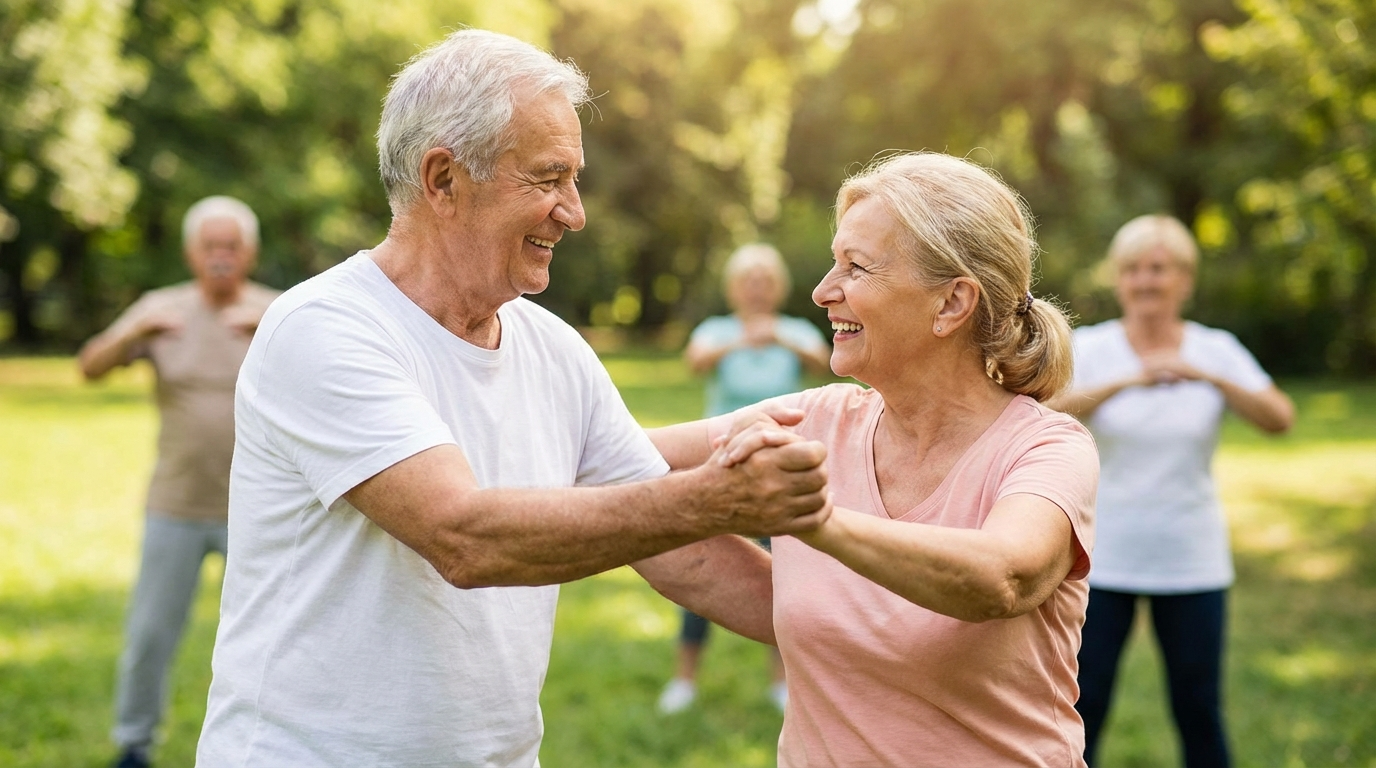
Allied health practitioners explain how gentle water resistance and buoyancy help individuals manage chronic joint stiffness and regain functional mobility.
When persistent joint pain, post-surgical recovery, or neurological conditions make conventional floor-based exercise uncomfortable, you face a frustrating physical barrier. Stepping onto a hard floor sends shockwaves through sensitive knees, hips, and spinal joints, turning simple movement into an exhausting chore. Warm-water aquatic rehabilitation provides a gentle alternative for your recovery journey. The natural buoyancy of water reduces gravitational load on sore joints, giving you the freedom to regain functional movement without risking impact strain.
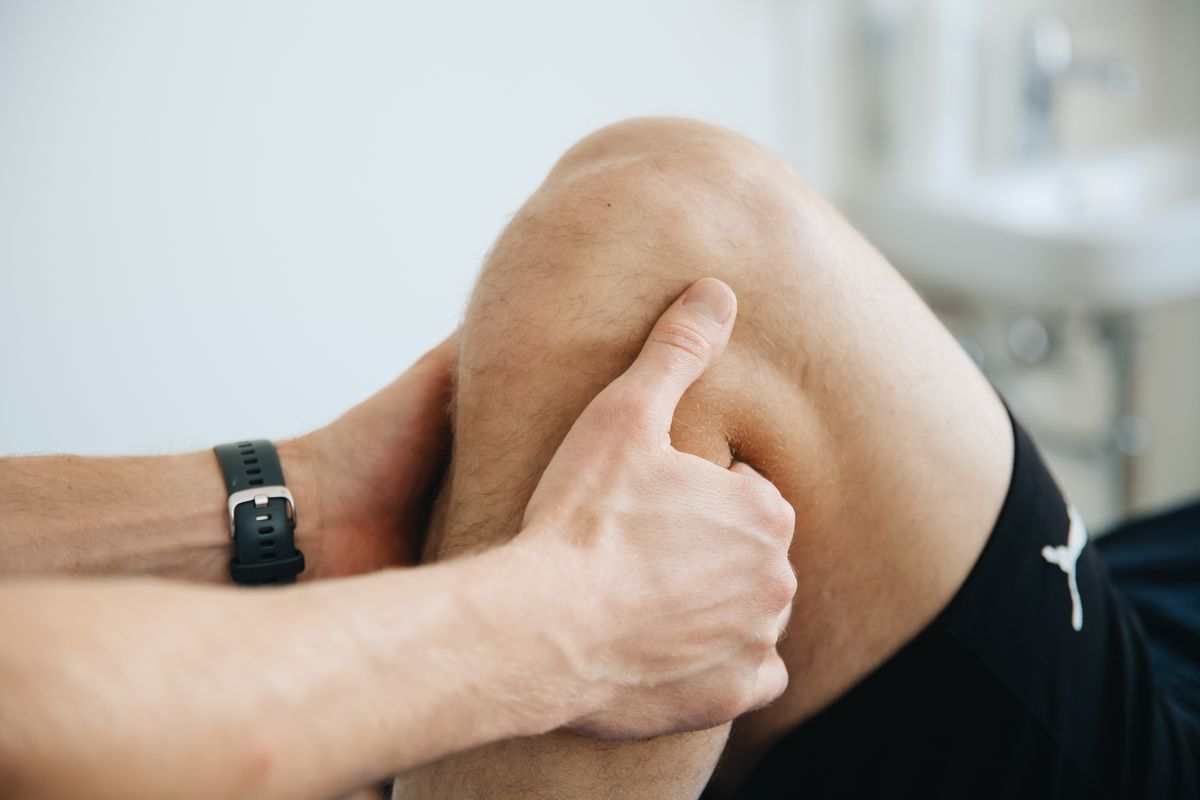
How Does Water Buoyancy Protect Your Sore Joints?
Submerging your body in water changes how gravity acts on your musculoskeletal system. When you stand in waist-deep water, the fluid displaces roughly 50 percent of your body weight. Submerging up to chest depth relieves around 75 to 80 percent of that gravitational pull. This dramatic offloading takes punishing pressure off worn cartilage, inflamed synovial membranes, and tight ligaments. You discover that walking, bending, and extending stiff limbs requires far less effort.
Because your joints carry only a fraction of your regular body mass, you can practice natural walking mechanics without guarding against sudden jabs of pain. Buoyancy supports weakened muscle groups that struggle to hold you upright on dry land. The fluid surrounds your limbs, acting like a buoyant cushion that stabilizes you while you focus on smooth, full-range motions.
Why Does Warm Water Temperature Relieve Joint Stiffness?
Therapeutic pools maintain warm water temperatures between 32 and 35 degrees Celsius. This elevated temperature creates immediate sensory changes across your nervous and circulatory systems. Heat prompts your peripheral blood vessels to expand, which boosts blood circulation directly into aching joint capsules and chronically tight muscle fibers.
Hydrostatic pressure works together with this thermal relief. As you stand immersed, water exerts uniform compressive pressure against your lower extremities. This inward force encourages lymphatic drainage, pushing trapped fluid away from swollen ankles and knees. Clinicians at the University of Nebraska Medical Center observed that aquatic therapy gives patients greater control over physical movements than typical land sessions allow, supporting personal independence while soothing tight muscular tissue. The soothing warmth quietens hyperactive pain receptors, breaking the frustrating cycle where pain triggers muscle tension and stiffness.
How Do You Transition Safely to Land-Based Strength?
Water therapy creates an ideal bridge between acute rest and independent daily movement. By collaborating with exercise physiologists, you learn how to transfer fluid water mechanics into safe gravity-loaded routines. These skilled clinicians monitor your balance milestones and gradually shift your conditioning back onto firm ground. That careful progression keeps your recovery moving forward while preventing unexpected flare-ups.
Gradual loading requires patience and structured stages. You start by increasing movement velocity in the pool, turning fluid drag into functional resistance that builds foundational endurance. Once your joints tolerate increased resistance in water, your care team introduces parallel land drills with matching movement patterns.
What Makes Hydrotherapy Effective for Paediatric Motor Skills?
Children coping with juvenile arthritis, cerebral palsy, or developmental coordination delays often find gravity frustrating and tiring. The pool transforms therapy into an engaging space where fear of falling disappears. In water, children explore dynamic movements that might feel overwhelming or unsafe on a clinic mat.
The gentle resistance of the water challenges developing muscles symmetrically. When a child kicks or reaches through water, fluid viscosity activates both agonist and antagonist muscle groups simultaneously. This continuous feedback sharpens spatial awareness and refines gross motor coordination.
Therapy pools offer rich vestibular and proprioceptive stimulation. Water shifting against skin gives young patients clear sensory boundaries, helping them organize their posture and build confidence with every splash.
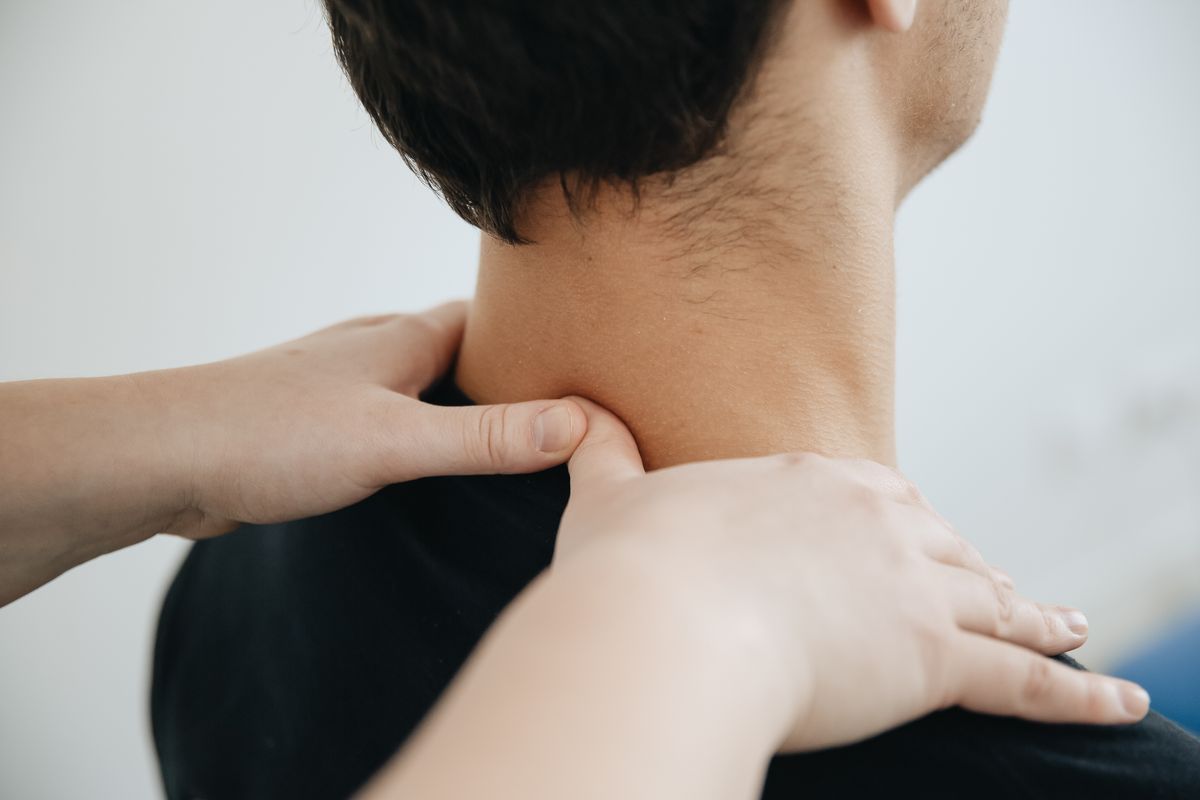
Restoring Range of Motion After Adult Joint Surgery
Recovering from total knee or hip replacement requires early movement, but post-operative swelling and scar tissue create painful resistance on land. Entering an aquatic therapy pool once surgical incisions heal allows you to restore critical joint articulation much sooner. Water counterbalances your limb weight, allowing your joint to complete full bending and extension arcs without grinding. Performing gentle knee flexion or hip abduction in warm water breaks up early adhesions before they restrict your long-term mobility.
- Begin with gentle gliding: Slide your feet along the pool floor to re-establish knee bending without bearing weight.
- Utilize gentle water drag: Push light foam kickboards against water resistance to recondition stabilizing hip abductors.
- Practice balanced stance drills: Stand on 1 leg in chest-deep water to awaken deep ankle and knee proprioceptors.
- Restore natural gait patterns: Walk forward and backward in waist-deep water to rebuild an even, rhythmic stride.
Why Do You Need Supervised Clinical Guidance in the Pool?
Pool therapy is far more than casual swimming or relaxing in a warm spa. Effective joint rehabilitation demands professional clinical guidance to keep every movement safe and purposeful. Accredited clinicians understand how different water depths alter joint loading and how small posture shifts change mechanical leverage.
Supervised programs protect you from overexertion. Because warm water masks muscle fatigue and dulls acute joint discomfort, you might easily exceed your physical limits without realizing it. A qualified practitioner watches your movement form, regulates session length, and prevents compensatory movements that could strain secondary muscle groups.
Clinical oversight guarantees your aquatic rehabilitation aligns directly with your long-term mobility goals. Your practitioner modifies water drag, introduces specialised aquatic equipment, and tracks joint angles from week to week. Lasting physical recovery depends on low-impact movement plans tailored to your individual mechanical tolerance. When you harness the buoyancy, heat, and pressure of warm water alongside professional guidance, you protect vulnerable joints while reclaiming your strength. Embracing this supportive aquatic path helps you rebuild functional movement, rediscover everyday comfort, and move through life with renewed confidence.