Healthcare practitioners explain how combining manual physiotherapy with tailored exercise programs helps resolve long-term joint pain and restore mobility.
Chronic joint pain in your knees, hips, shoulders, and lower back has historically been managed with isolated passive interventions: ice packs, ultrasound therapy, heat wraps, and reliance on oral analgesics. While these modalities can provide fleeting symptom relief, emerging clinical evidence demonstrates that sustainable joint preservation requires an integrated, active rehabilitation model. True recovery demands combining diagnostic physical therapy with targeted, progressive exercise physiology. Passive comfort measures may temporarily quiet an irritated nerve or soothe hypertonic soft tissue, but bridging those early interventions with structured, active movement strategies creates a dependable pathway toward long-term joint health, physical resilience, and everyday functional freedom.
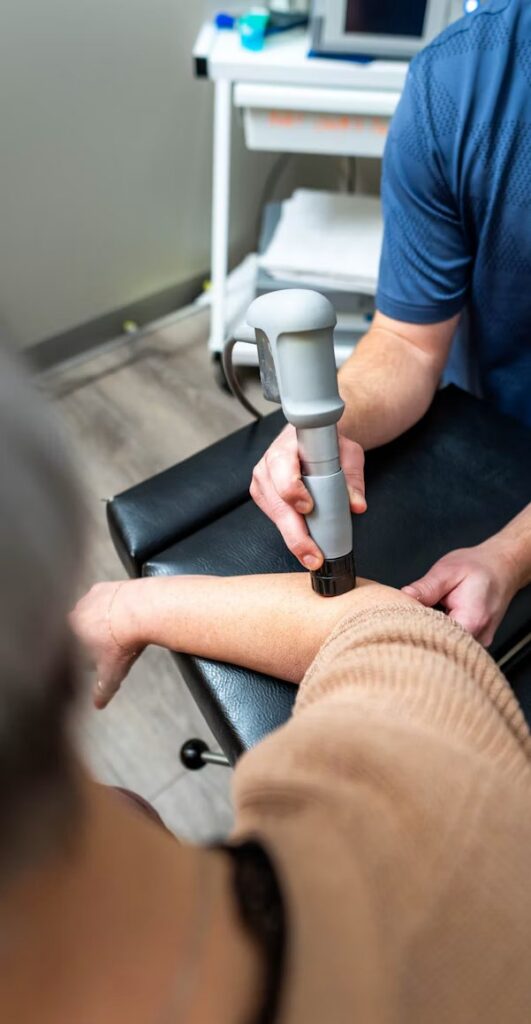
What Should You Look for in a Clinical Facility?
Finding the right rehabilitation provider requires looking past standard clinics that rely heavily on curtained treatment booths and passive modalities. Sustainable joint health demands comprehensive, multidisciplinary allied health care. Facilities that integrate diagnostic physiotherapy with customized exercise physiology, such as the clinical models seen at MTP Health, demonstrate how modern environments bridge clinical examination with active physical conditioning. When selecting a care provider, prioritize the following criteria:
- Comprehensive kinetic assessments: Choose clinics that evaluate your entire movement chain from head to toe rather than just examining the single joint that hurts.
- Dual-discipline practitioner teams: Ensure your care plan involves qualified physiotherapists for diagnostic precision and accredited exercise physiologists for structured physical loading.
- Integrated gym environments: Seek facilities equipped with functional rehabilitation gyms that allow you to transition seamlessly from manual clinical tables to active resistance equipment.
- Individualized, data-driven programming: Demand exercise routines built around your unique biomechanics, injury history, and daily physical demands rather than pre-printed, generic exercise sheets.
Why Do Isolated Passive Modalities Fall Short?
Passive therapies like hot packs, electrical stimulation, or passive stretching provide temporary neurophysiological comfort, but they do not teach your musculoskeletal system how to tolerate load. Short-term relief provides a false sense of security while mechanical flaws, altered neuromuscular recruitment, and muscle atrophy remain unaddressed. Without active intervention, your muscles remain deconditioned, and joint instability persists during everyday tasks like climbing stairs, carrying groceries, or sitting for prolonged periods. The Mayo Clinic highlights that physical therapy and targeted strengthening exercises are essential for joint health because building muscle support around affected areas significantly reduces compressive joint stress and slows down cartilage wear.
How Do Physiotherapy and Exercise Physiology Create Synergy?
Bridging hands-on diagnostic assessment with structured, patient-specific loading programs bridges the gap between acute clinical pain management and long-term functional capacity. Physical therapy and exercise physiology are not competing disciplines; rather, they form an essential clinical continuum. When a skilled physical therapist evaluates your movement, they pinpoint exactly where joint restrictions, tissue tension, or kinetic chain breakdowns originate. They utilize manual therapy, targeted mobilization, and corrective exercises to restore baseline joint mechanics and calm acute pain flare-ups.
Once basic movement is restored, exercise physiology takes the lead. Rebuilding long-term joint capacity requires progressive resistance training – a process governed by mechanotransduction, where cellular responses to mechanical loading stimulate tissue remodeling, strengthen bone density, and enhance tendon resilience. Controlled loading also facilitates synovial fluid circulation, which bathes and nourishes joint cartilage that otherwise lacks a direct blood supply. Harvard Medical School points out that regular, appropriately dosed exercise is one of the single best ways to manage joint pain, improve physical function, and slow the progression of osteoarthritis. You transition from feeling fragile and protective to moving with genuine confidence because your surrounding musculature is systematically conditioned to handle real-world demands.
How Does Movement Quality Influence Joint Preservation?
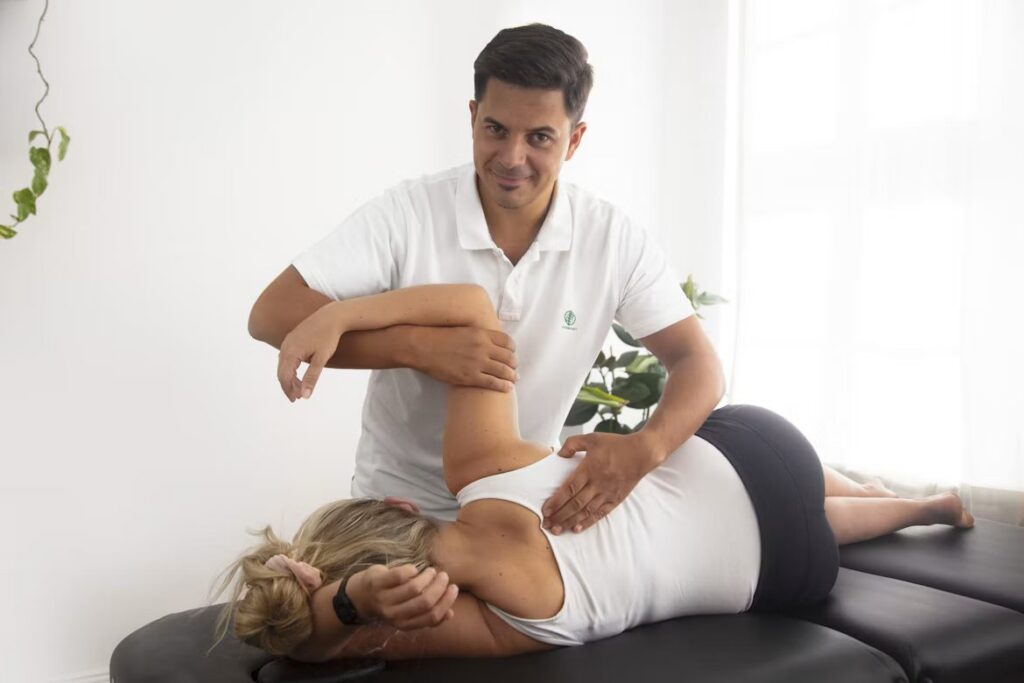
Protecting your joints over decades requires retraining how you walk, lift, squat, and bend during routine tasks. Faulty movement mechanics place uneven, focal stress on articular cartilage, accelerating degeneration in vulnerable structural areas. Correcting these deeply ingrained patterns requires conscious motor control paired with objective feedback from a clinical professional.
- Refine daily biomechanics: Pay close attention to how you sit, stand, hinge, and carry loads throughout the day. Minor adjustments—such as learning to hinge through the hips rather than rounding the lumbar spine—dramatically reduce cumulative joint compression.
- Embrace progressive overload: Tissues adapt only when challenged appropriately. By progressively increasing resistance, volume, or movement complexity under clinical supervision, your joints, tendons, and muscles adapt without triggering inflammatory flare-ups.
- Maintain movement consistency: The absence of pain does not mean the underlying biomechanical issue is permanently solved. Continuing your prescribed exercise routine even after acute symptoms subside ensures your joints remain protected against future relapses.
Long-term relief from chronic joint dysfunction cannot be found in a pill bottle or under a heat pack. It requires an active commitment to restoring movement quality, correcting kinetic chain deficits, and building muscular capacity through collaborative clinical care. Committing to diagnostic physical therapy and progressive exercise physiology transforms your relationship with movement, ensuring lasting joint preservation, durable mobility, and lifelong independence.