Lazy Fit costs around $65 AUD per year for Premium, after a 7 day free trial. The app is free to download, and the trial unlocks everything. If you don’t cancel through your app store before the trial ends, the yearly charge goes through automatically. Prices shift a little by store and region, so treat every figure here as a guide and confirm the final amount on the subscription screen before you confirm.
Most of the confusion around Lazy Fit’s pricing comes from one thing: the app is promoted as free, but the content that matters sits behind the subscription. This guide covers what you pay, what you get, how it compares with other apps, and how to avoid an unwanted charge.
Premium is billed yearly, and it unlocks workout plans, the exercise library and progress tracking. Reported prices for the annual plan run from about $60 to $70 AUD depending on the app store, your region and any promotion running at the time.
What do you get for free with Lazy Fit?
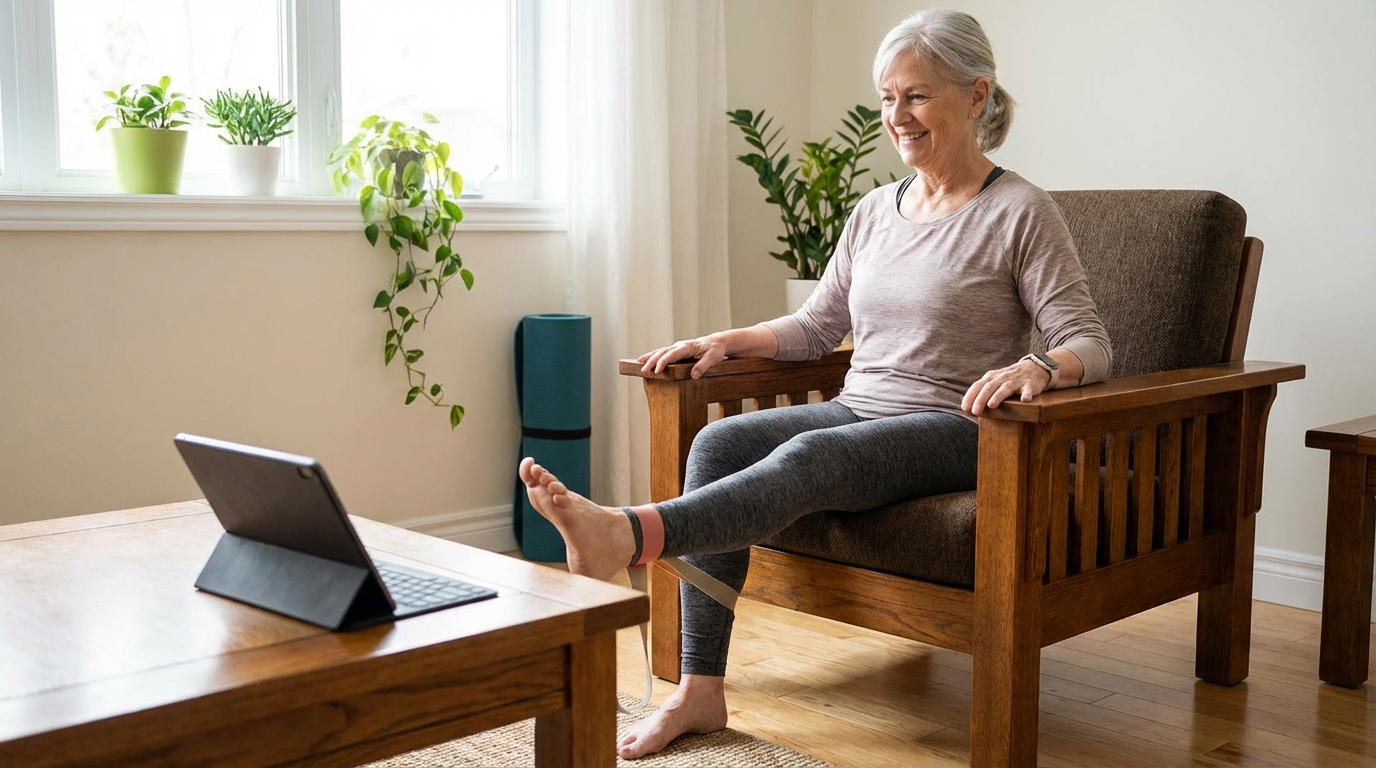
The free trial lasts 7 days and opens up the whole app. In that week you can try the personalised plans, use the progress tracker and work through the chair yoga, bed exercises, wall pilates and stretching routines. It is long enough to test whether short, low impact sessions fit your daily routine.
Once the trial ends without a subscription, the free version is limited. Most workout programs sit behind the paywall and the personalised features are switched off. The app still opens, but the parts most people download it for need Premium.
What does the Premium subscription include?
The yearly Premium plan covers the following:
- Custom workout plans that match your fitness level
- Full access to the exercise video library
- A 28 day challenge program
- Progress tracking and calorie monitoring
- Chair yoga, bed exercises, wall pilates and stretching routines
- Apple Health and Google Fit integration
- Audio guided workouts
Feature lists change as the developer updates the app, so check the in-app subscription screen for the current line-up before you commit.
How does Lazy Fit compare to other fitness apps?
Lazy Fit sits at the lower end of paid fitness app pricing, though not at the bottom. Approximate annual costs for popular alternatives look like this:
- Lazy Fit costs about $65 AUD per year
- JustFit charges around $110 AUD per year
- FitOn offers free basic access
- 7 Minute Workout has a free version with paid upgrades
- Fitbod runs about $100 AUD per year
These apps are built for different people, so price alone is a poor way to choose. Lazy Fit targets beginners and people who want low impact training. Fitbod, for example, is aimed at gym-style strength programming. The app has also been downloaded by millions of people, and its Google Play listing has shown ratings around 4.4 out of 5 across tens of thousands of reviews. Store ratings move over time, so look at the current listing for the latest numbers.
Is the subscription worth the money?
It depends on the kind of exercise you want. Lazy Fit works best for people who need gentle, equipment free workouts. Seniors, beginners and anyone with mobility limits tend to get the most from it, because sessions run 10 minutes or less and many can be done from a chair or bed.
Users describe real results when they treat it as a daily habit. One reported losing 60 pounds by making the app part of a daily routine, and another noticed better flexibility and energy after the 28 day challenge. Short sessions make it easier to stay consistent, and the variety keeps them from feeling repetitive.
Gentle movement still counts, even if it feels easy. If you are curious about the laziest way to burn calories, low effort routines like these are a realistic starting point, though results come from repeating them week after week.
People wanting heavy strength training or advanced programming report feeling limited. The app is built around low impact movement, and that won’t suit everyone. If that sounds like you, a $65 subscription is probably better spent elsewhere.
What are the common complaints about Lazy Fit pricing?
Users raise three recurring issues:
- The trial converts to a paid subscription automatically if you forget to cancel
- Marketing suggests the app is free, while the main content needs payment
- Customer support can be slow to respond to billing questions
Some users have been charged the yearly fee without realising the trial had ended. Cancelling happens through your Apple or Google account, not inside the app. Cancel at least 24 hours before the trial ends, because both stores need that notice to stop the renewal.
How do you cancel the Lazy Fit subscription?
Follow these steps:
- Open the App Store or Google Play on your device
- Go to your account settings
- Find the Subscriptions section
- Select Lazy Fit from the list
- Tap Cancel Subscription
Lazy Fit has no cancel button of its own, so payments only stop when you cancel with Apple or Google. Menu names differ slightly between devices. The safest habit is to cancel on day one of the trial, since you normally keep access until the trial period ends anyway. If you would rather keep the option open, set a reminder for day 5 so you have time to decide.
Does Lazy Fit offer any discounts?
The app has run seasonal promotions around New Year, Black Friday and summer, with reported discounts in the 20 to 30 percent range. A referral program has also offered free time for inviting friends, though availability changes.
Check the store listing before subscribing to see whether a deal is running. Waiting for a holiday sale could save you roughly $15 to $20 AUD on the yearly plan.
What does Lazy Fit really cost per week, and what do you get for it?
An annual price can be hard to judge, so break it down. At about $65 AUD, Premium works out to roughly $5.40 a month or about $1.25 a week. That puts it well below a typical gym membership or a single personal training session.
The better test is how often you will use it. If you do a session most days, the cost per workout is a few cents. If you open it twice and forget it, even a small fee is wasted. Before you subscribe, ask yourself:
- Do you prefer short, low impact sessions to long gym visits?
- Will you realistically use it several days a week?
- Have you tested it fully during the 7 day trial?
- Would a free app like FitOn cover what you need?
Short sessions can still deliver. Many people wonder whether a 20-minute workout is enough, and for general health and consistency the answer is often yes. Be realistic about calorie burn, though. Gentle chair and bed routines burn far less than hard cardio, so if your goal is fast fat loss, look at what burns 500 calories in 30 minutes and treat Lazy Fit as a way to build a habit rather than a quick fix.
FAQ
Can you use Lazy Fit without paying?
Yes, during the 7 day trial. Afterwards the free version is limited to basic features.
Does Lazy Fit charge monthly?
The main plan is yearly at about $65 AUD. Some regions offer a monthly option, reported at around $8 to $10 AUD per month, but availability varies.
What payment methods does Lazy Fit accept?
Payments run through the Apple App Store or Google Play, so you use whatever your store account accepts, such as cards, PayPal in some regions and wallets like Apple Pay.
Can you get a refund from Lazy Fit?
Refund requests go to Apple or Google rather than the developer. Approval depends on their policies and how long ago you were charged, so ask quickly if you were billed by mistake.
Is Lazy Fit safe to download?
The app is published by Next Vision Limited and is distributed through the official app stores, which apply their own security requirements. It has millions of downloads and no widely reported security problems. As with any app, download it only from the official store listing.