Plenty of Melbourne clients train after work. They get home wired, hungry and keen to switch off. The drink they reach for next can shape how well they sleep. Sleep, in turn, shapes how well they recover for the next session.
Some reach for another coffee, while others want something warm and calming instead. Blue lotus is one botanical that keeps coming up in those conversations, usually brewed as a tea. Before you try it, it helps to understand the flower’s traditional uses and where the modern evidence stands. Everything below is aimed at adult readers and is not a substitute for your GP.
Why Does the Evening Drink Matter After Training?
A hard session already leaves you with some fatigue to clear. If you often feel flat the next day, read our guide on feeling tired after training for the main causes. Caffeine late in the day can add to the problem without you noticing.
The Sleep Health Foundation says caffeine reaches peak levels within 30 to 70 minutes. Its effects can then last 3 to 7 hours. It may take up to 24 hours to clear the body fully. So a pre-workout drink at 5pm can still be working when you try to sleep.
Ongoing fatigue and falling performance are classic signs of overtraining, and short sleep makes them harder to read. The evening cup is one small lever you control every day.
How Much Caffeine Is Too Much On a Training Day?
Caffeine is not the enemy, and moderate amounts suit most healthy adults. The Sleep Health Foundation figures give a useful frame:
- Single dose: moderate doses of up to 200mg are not linked to negative effects in healthy adults.
- Daily total: intake under 400mg a day does not seem to cause negative health effects in healthy adults.
- What that looks like: 400mg is around 5 cups of regular black tea, or 2 cups of brewed coffee.
- Timing: some advise avoiding caffeine for at least 3 to 7 hours before sleep.
- If sleep is already a problem: stop caffeine after lunchtime.
- Cutting back: reduce slowly, since a sudden stop can bring headaches, tiredness and anxiety.
Pre-workout powders count toward that total, and so do energy drinks and cola. If you train at 6pm, a scoop at 5:30pm can push caffeine well into your sleep window. Evening trainers can keep caffeine to earlier in the day instead.
What Is Blue Lotus, and Where Does Its Story Begin?
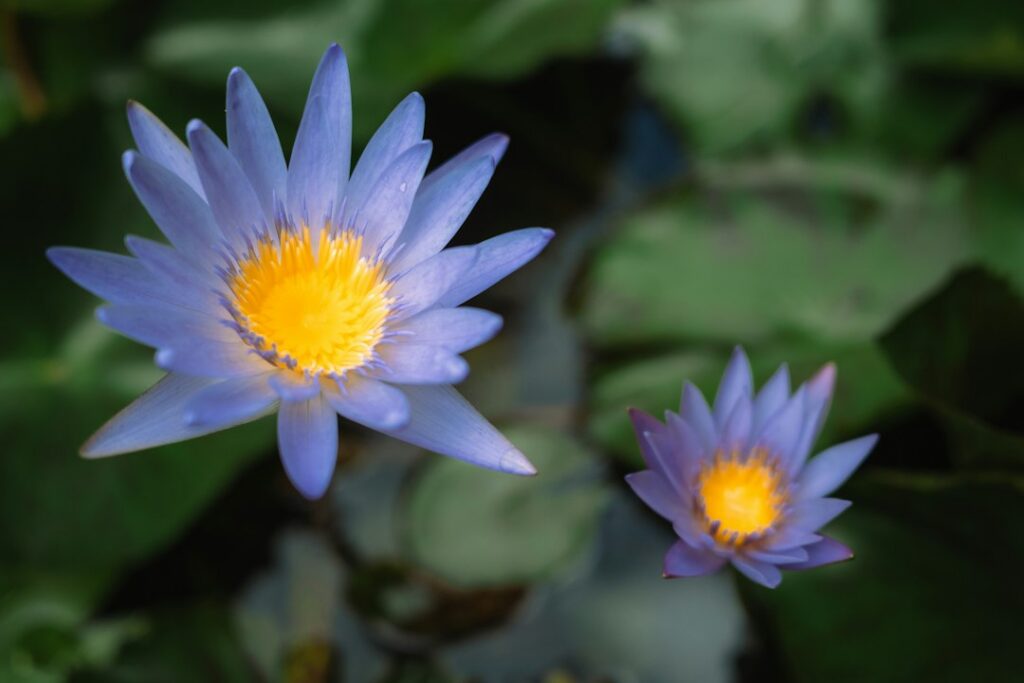
Blue lotus is a water lily, known botanically as Nymphaea caerulea. Ancient Egyptians brewed the flower and linked it with dreams, rest and ritual. That heritage helps explain its place in modern tea blends.
Modern retailers describe the flower in similar terms. Amentara, a US botanical retailer, describes the same associations on its lotus pages. It lists apomorphine and nuciferine among the flower’s alkaloids. It also sells blue lotus as dried flowers, tea bags, capsules, gummies and extracts.
Not every flower sold under this name is the same plant. Amentara warns that many products sold as blue lotus are other lotus strains or water lilies with a different alkaloid profile. Its lotus range carries the Amentara Trust Seal, the brand’s own quality marker. Checking the exact species on any label is a sensible first step.
How Do You Weigh Tradition Against Research?
Few modern trials have looked at blue lotus in people. A balanced approach looks at several kinds of information together:
- Published studies: useful, but some are small, poorly designed or funded by interested parties.
- Traditional use: centuries of Egyptian history show how people valued the flower.
- Personal accounts: shared experiences reflect what users report, though people respond differently.
- Your own judgement: notice how any new habit affects your sleep, mood and training.
- Professional input: your GP knows your health history and current medications.
No one can legally market blue lotus as a cure for anything. Treat any product page as a description of tradition and format, not a promise of results.
Which Checks Come First With a Herbal Infusion?
The Victorian Government’s Better Health Channel gives clear guidance on herbal products. Herbs can interact with other medicines and should be taken with care. It also says to tell your GP about any herbal products you take or are considering. Never stop a prescribed medicine in favour of a herb without speaking to your GP first.
The same page warns that unregulated herbal products from overseas may not be made to the same quality standard. It suggests buying from reputable sources. Because Amentara ships from the US, check Australian import rules and the seller’s shipping terms first.
| Evening option | Daily caffeine guide | What to keep in mind |
|---|---|---|
| Brewed coffee | About 2 cups reaches 400mg | Effects can last 3 to 7 hours |
| Black tea | Around 5 cups reaches 400mg | Still counts after a late session |
| Pre-workout or energy drink | Counts toward 400mg | Check the label for mg per serve |
| Blue lotus tea | No set guide | Adults only; talk to your GP first, especially alongside medication |
Blue lotus is for adults only. Anyone pregnant or breastfeeding should speak to their practitioner before trying any herbal product. Interactions with medications are possible, so mention it at your next GP visit.
What to Carry Into Tonight’s Session
- Caffeine can stay active for 3 to 7 hours, so time your last dose around your bedtime.
- Count pre-workout and energy drinks toward the 400mg daily guide.
- Blue lotus has a long Egyptian heritage, and modern research is still catching up.
- Weigh studies, tradition, personal accounts and your GP’s advice together.
- Check the species on the label and buy from a transparent seller.
A Calmer End to the Training Day
Good recovery starts well before your head hits the pillow. Sorting out caffeine timing is the easiest win for most evening trainers. A warm, caffeine-free drink can then become part of your wind-down routine. If blue lotus appeals, approach it as an adult, with curiosity and a chat with your GP first.
Frequently Asked Questions
How Long Before Bed Should I Stop Caffeine?
The Sleep Health Foundation notes that some advise stopping at least 3 to 7 hours before sleep. If you already sleep poorly, it suggests no caffeine after lunchtime. Track your intake for a few days to see how your own sleep responds.
Does Pre-Workout Count Toward My Daily Caffeine?
Yes. Pre-workout powders, energy drinks, cola, tea and coffee all add to the same daily total. The Sleep Health Foundation notes that under 400mg a day does not seem to harm healthy adults.
Can I Drink Blue Lotus Tea If I Take Medication?
Interactions are possible, so talk to your GP or pharmacist before combining it with any medicine. Herbal products can change how some medicines work. Never swap a prescribed medicine for a herb without medical advice.
Is Blue Lotus Legal to Buy In Australia?
Rules on plant products can differ between states and can change. Products ordered from overseas must also meet Australian import requirements. Check current rules and the seller’s shipping terms before ordering.