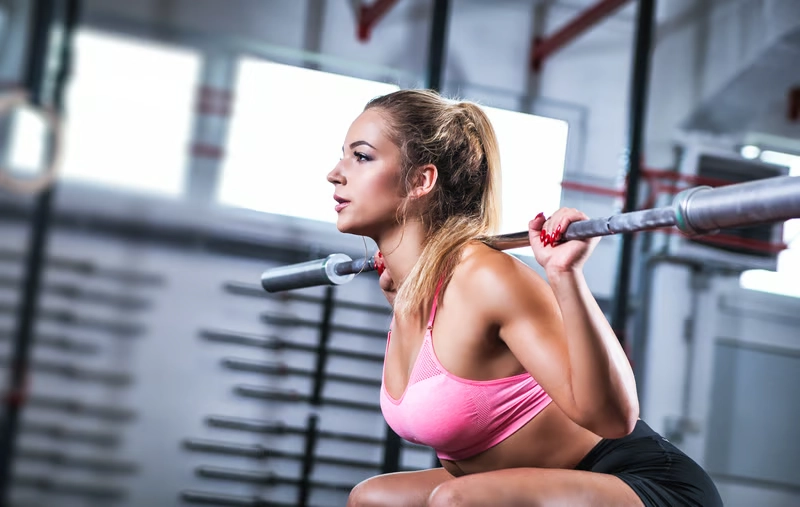
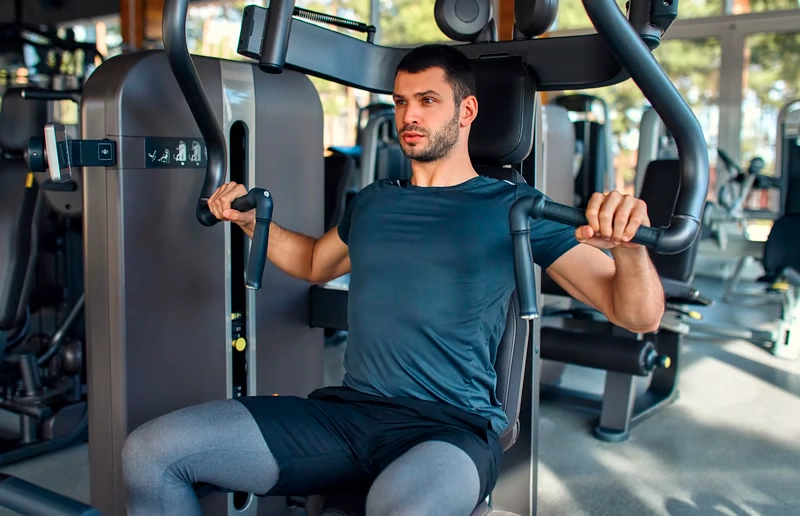
Gen Z talks about fitness constantly. Gym content floods TikTok. Protein shakes are a personality trait. But does all that noise translate into actual movement? The answer is more complicated than the algorithm wants you to believe.
Here is what the data says, what it means, and why it matters for how we think about physical activity in younger generations.
Is Gen Z More Physically Active Than Previous Generations?
No. Despite the gym culture content and wellness branding, Gen Z is less physically active overall than Millennials and Gen X were at the same age.
The World Health Organization found that over 80% of adolescents globally do not meet the recommended 60 minutes of moderate to vigorous physical activity per day. That number has stayed stubbornly high for over a decade, and Gen Z sits right in the middle of it.
A 2019 study published in The Lancet Child and Adolescent Health tracked physical activity trends across 146 countries and found that adolescent inactivity rates have barely improved since 2001. Girls showed slightly worse trends than boys. High-income countries, where Gen Z has the most access to gyms and fitness content, showed some of the highest inactivity rates.
So the gym aesthetic and the actual gym habit are two very different things.
How Much Exercise Does Gen Z Get on Average?
The CDC recommends that people aged 6 to 17 get at least 60 minutes of physical activity daily. For adults 18 and up, the target is 150 minutes of moderate activity per week, or 75 minutes of vigorous activity.
Most Gen Z individuals do not hit either target consistently.
A 2021 report from the Physical Activity Council found that Gen Z had the highest inactivity rate of any generation tracked, with around 30% reporting zero physical activity in the past year. Compare that to Boomers at roughly 27% and Millennials at 28%.
The active portion of Gen Z does work out more intensely when they do show up. gym membership from IHRSA shows Gen Z prefers high-intensity formats like HIIT, strength training, and group fitness classes. But the frequency is inconsistent. Many Gen Z gym-goers train in bursts, motivated by a trend or a challenge, then drop off.
9 Steps To Shed 5–10kg in 6 Weeks
In only 90 minutes a week!
- Includes an exercise plan, nutrition plan, and 20+ tips and tricks.
- Without dead boring diets that are like watching paint dry
- Without getting results at a snails pace
Why Is Gen Z Less Active Than Older Generations?
Three things drive this. Screen time, structured environments, and the shift away from incidental movement.
Gen Z grew up with smartphones. The average Gen Z teen spends 7 to 9 hours per day on screens, according to Common Sense Media. That time has to come from somewhere, and it comes from movement. Walking to a friend’s house, playing outside, riding bikes, these were default activities for Millennials and Gen X. For Gen Z, the default is a screen.
School physical education has also declined. A 2012 report from the National Association for Sport and Physical Education found that only 4% of US elementary schools, 8% of middle schools, and 2% of high schools provided daily PE. That trend continued through the years Gen Z was in school.
Then there is the built environment. More Gen Z individuals live in suburban or urban settings where walking and cycling are not practical. Car dependency, safety concerns, and the design of neighborhoods all reduce the casual movement that older generations got without thinking about it.
The result is a generation that knows more about fitness than any before it, but moves less in daily life.
Does Gen Z Prefer Gym Workouts or Outdoor Activities?
Gym workouts. By a clear margin.
A 2023 survey by Mindbody found that Gen Z is the most likely generation to hold a gym membership and the most likely to use fitness apps. They gravitate toward strength training, group classes, and structured programs. Outdoor recreation, things like hiking, cycling, and team sports, ranks lower for Gen Z than it did for Millennials at the same age.
Part of this is aesthetic. The gym is documentable. You can film a deadlift PR. You can post a mirror selfie. Outdoor activity is harder to package for content.
Part of it is also control. Gen Z responds well to measurable progress. Lifting numbers go up. Body composition changes. These are trackable outcomes that fit how Gen Z processes achievement.
That said, outdoor fitness is growing within Gen Z. Running clubs have exploded in cities globally, partly because they combine movement with social connection, which is something Gen Z actively seeks. The social run is not just exercise, it is community, and that framing works for this generation.
How Does Social Media Influence Gen Z’s Physical Activity?
Social media cuts both ways, and the research is clear on this.
On the positive side, fitness content on TikTok and Instagram has lowered the barrier to entry for strength training. Workout tutorials, form checks, and program breakdowns are free and accessible. A 2022 study in the Journal of Medical Internet Research found that exposure to fitness content on social media increased gym intention and self-efficacy in young adults.
Gen Z is also more likely to try a new workout style because they saw it online. Pilates, calisthenics, and functional fitness all saw Gen Z-driven growth after going viral.
But the negative side is significant. Social comparison on fitness platforms raises anxiety and body image issues, particularly in young women. A 2021 study from the University of Vermont found that reducing social media use by 50% over three weeks led to significant improvements in body image satisfaction in young adults. The pressure to look a certain way can make the gym feel like a place of judgment rather than progress, and that keeps people out.
There is also the substitution effect. Watching fitness content feels productive. It activates the same reward pathways as doing something. Research on behavioral psychology calls this “vicarious reinforcement,