What happens if you eat low calories but high protein? Your body changes when you eat fewer calories but keep protein high. You lose fat while keeping your muscles strong. This eating style helps you feel full longer and burns more energy throughout the day.
Many people in Australia spend between $150 and $300 per week on food. Making smart choices about protein can help you lose weight without feeling hungry all the time.
Will You Lose Weight Faster?
Yes, you will lose weight faster with high protein and low calories.
Your body burns 20 to 30 percent of protein calories just digesting the food. Carbs and fats only burn 5 to 10 percent. This means eating 100 grams of protein burns 20 to 30 calories automatically. Your body works harder to break down protein than other foods.
Studies show people who eat high protein lose more fat than people who eat low protein. One study found that people eating high protein lost twice as much fat as people eating normal protein. Both groups ate the same low calories. The high protein group kept their muscle. The low protein group lost muscle along with fat.
What happens if you eat low calories but high-protein? Your metabolism stays higher because muscle burns more calories than fat. Each pound of muscle burns about 6 calories per day at rest. Fat only burns 2 calories per pound. When you keep your muscle during weight loss, you burn more calories even while sitting.
Does High Protein Stop Hunger?
High protein stops hunger better than carbs or fats.
Protein makes you feel full for 3 to 4 hours after eating. Carbs make you feel full for only 1 to 2 hours. Your stomach empties protein slowly. This keeps you satisfied longer between meals.
Research shows protein reduces the hunger hormone called ghrelin. When ghrelin drops, you feel less hungry. Protein also increases hormones that tell your brain you are full. These hormones include peptide YY and GLP-1.
People who eat 25 to 30 percent of their calories from protein eat 400 fewer calories per day without trying. They don’t feel more hungry than people eating less protein. The protein naturally reduces their appetite.
9 Steps To Shed 5–10kg in 6 Weeks
While spending as little as 90 minutes per week in the gym!
Includes an exercise plan, nutrition plan, and 20+ tips and tricks.
Without dead boring diets that are like watching paint dry
Without getting results at a snails pace
Gym or at home version
Will You Keep Your Muscle?
You will keep most of your muscle when you eat high protein and low calories.
Your body needs protein to maintain muscle tissue. When you eat low calories, your body looks for energy. It can take energy from fat or muscle. High protein tells your body to use fat for energy instead of muscle.
Studies show people need 0.8 to 1 gram of protein per pound of body weight to keep muscle during weight loss. A person weighing 180 pounds needs 144 to 180 grams of protein per day. This amount protects muscle while the body burns fat.
Strength training plus high protein works even better. People who lift weights and eat high protein can build muscle while losing fat. This seems impossible but research proves it happens. New lifters and people with extra body fat see the best results.
How Much Protein Do You Need?
You need 1.6 to 2.2 grams of protein per kilogram of body weight for best results.
For a 75 kilogram person, this equals 120 to 165 grams of protein per day. For a 90 kilogram person, this equals 144 to 198 grams per day. Spread this protein across 3 to 4 meals throughout the day.
Each meal should contain 30 to 40 grams of protein. This amount maximises muscle protein synthesis. Your body uses protein better when you eat it in portions rather than all at once.
Good protein sources include:
- Chicken breast (31 grams per 100 grams)
- Greek yogurt (10 grams per 100 grams)
- Eggs (6 grams per egg)
- Lean beef (26 grams per 100 grams)
- Fish (20 to 25 grams per 100 grams)
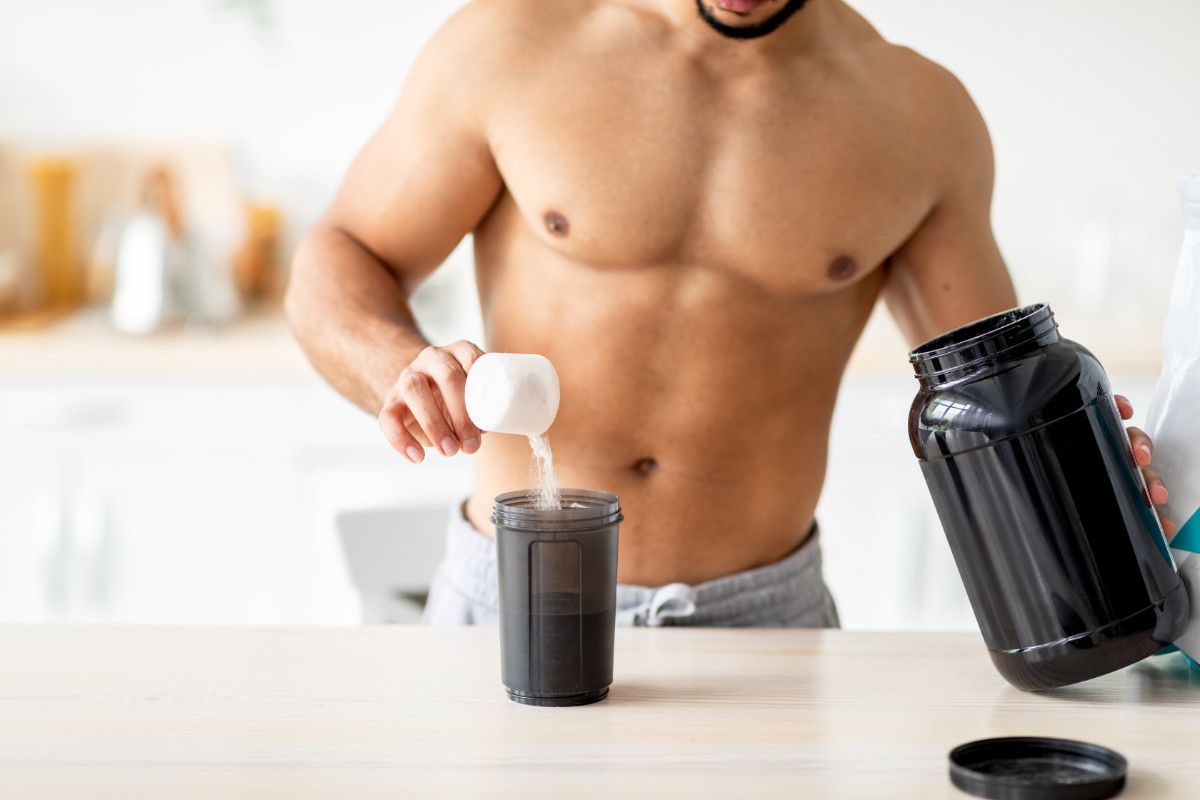
- Protein powder (20 to 30 grams per scoop)
What Are The Risks?
Eating high protein with very low calories can cause problems if done wrong.
Your body needs minimum calories to function properly. Women should not eat below 1200 calories per day. Men should not eat below 1500 calories per day. Going lower can slow your metabolism and cause fatigue.
Very low calories can lead to:
- Nutrient deficiencies
- Hair loss
- Weak immune system
- Loss of menstrual periods in women
- Decreased bone density
- Extreme tiredness
High protein alone does not cause kidney problems in healthy people. Research shows healthy kidneys handle high protein without issues. People with existing kidney disease should talk to their doctor before eating high protein.
Eating only protein and cutting all carbs and fats causes problems. Your body needs some carbs for energy and fats for hormone production. A balanced approach works best. Aim for 30 to 40 percent protein, 30 to 40 percent carbs, and 20 to 30 percent fats.
How Fast Will You See Results?
You will see results in 1 to 2 weeks.
Most people lose 0.5 to 1 percent of their body weight per week with high protein and low calories. A 90 kilogram person loses 0.45 to 0.9 kilograms per week. This rate protects muscle while burning fat.
The first week shows the biggest drop. You lose water weight along with some fat. Weeks 2 through 4 show steady fat loss. Your clothes fit better. Your energy improves. Your strength stays the same or increases.
After 4 to 6 weeks, fat loss becomes very noticeable. People around you comment on the changes. Your face looks leaner. Your stomach flattens. Your muscles show more definition.
Long term results take 12 to 16 weeks. This timeline allows you to lose 10 to 15 kilograms safely while keeping muscle. Slow and steady wins the race. Quick weight loss often leads to muscle loss and weight regain.
Does It Work For Everyone?
High protein and low calories works for most people but not everyone sees the same results.
Your starting body fat percentage matters. People with more body fat lose weight faster than lean people. Someone at 30 percent body fat loses fat easier than someone at 15 percent body fat.
Age affects results too. Younger people build and maintain muscle easier than older people. People over 40 need to work harder to keep muscle during weight loss. They benefit even more from high protein intake.
Genetics play a role. Some people naturally maintain muscle better than others. Some people feel fuller on protein while others still feel hungry. These differences are normal.
Activity level changes everything. People who exercise 3 to 5 times per week see better results than people who don’t exercise. Strength training beats cardio for maintaining muscle. Walking 10,000 steps per day helps but lifting weights works better.
What Foods Should You Eat?
Focus on lean proteins and nutrient dense foods.
Best Protein Sources:
- Chicken breast (affordable at $10 to $15 per kilogram)
- Eggs (cheap at $5 to $7 per dozen)
- Greek yogurt ($6 to $10 per kilogram)
- Tuna ($2 to $4 per can)
- Cottage cheese ($4 to $6 per tub)
- Lean mince ($12 to $18 per kilogram)
- Protein powder ($30 to $60 per kilogram)
Vegetables To Include:
- Broccoli
- Spinach
- Cauliflower
- Capsicum
- Zucchini
- Mushrooms
- Tomatoes
Healthy Fats In Small Amounts:
- Avocado (half per day)
- Olive oil (1 tablespoon per day)
- Nuts (small handful per day)
- Seeds (1 to 2 tablespoons per day)
Smart Carb Choices:
- Sweet potato
- Brown rice
- Oats
- Quinoa
- Fruit (1 to 2 pieces per day)
How Do You Start?
Start by calculating your protein needs and planning your meals.
Step 1: Calculate Your Protein Target
Multiply your body weight in kilograms by 1.8. A 75 kilogram person needs 135 grams of protein per day.
Step 2: Set Your Calorie Goal
Eat 500 to 750 calories below your maintenance level. Most people maintain weight at 2000 to 2500 calories per day. Cut to 1500 to 2000 calories for weight loss.
Step 3: Plan Your Meals
Divide your protein across 3 to 4 meals. Each meal contains 30 to 45 grams of protein. Add vegetables and a small amount of carbs or fats.
Step 4: Track Your Food
Use an app to track calories and protein for the first 2 weeks. This teaches you portion sizes. After 2 weeks, you can estimate without tracking.
Step 5: Adjust As Needed
Weigh yourself weekly. If you lose more than 1 kilogram per week, eat slightly more. If you lose less than 0.5 kilograms per week, eat slightly less.
Frequently Asked Questions
Can I build muscle while eating low calories and high protein?
Yes, beginners and people with higher body fat can build muscle in a calorie deficit. Advanced lifters find this harder but can maintain their muscle mass.
Will high protein damage my kidneys?
No, high protein does not damage healthy kidneys. Research shows no kidney problems in healthy people eating high protein. People with existing kidney disease should consult their doctor.
How much water should I drink with high protein?
Drink 2 to 3 litres of water per day. Protein metabolism produces waste products that your kidneys filter out. Extra water helps this process.
Can I eat too much protein?
Yes, eating more than 2.2 grams per kilogram of body weight provides no extra benefits. Your body cannot use the excess protein efficiently. It converts extra protein to glucose or stores it as fat.
Should I take protein powder or eat whole foods?
Whole foods work better because they contain vitamins, minerals, and fibre. Protein powder helps when you struggle to meet your protein target through food alone. Use powder as a supplement, not a replacement.
What if I feel tired on low calories?
Tiredness means you cut calories too low. Add 200 to 300 calories back to your diet. Make sure you eat enough carbs around your workouts for energy.
How long can I stay on low calories and high protein?
Most people should diet for 12 to 16 weeks maximum. Then take a 2 to 4 week break at maintenance calories. This prevents metabolic slowdown and gives your body a rest.
Will I gain the weight back after I stop?
You will maintain your weight loss if you keep eating enough protein and exercising. Most people regain weight because they return to old eating habits. Slowly increase calories by 100 to 200 per week until you reach maintenance.
The Bottom Line
Eating low calories with high protein burns fat while protecting muscle. Your body uses protein to maintain muscle tissue during weight loss. You feel fuller for longer periods. Your metabolism stays higher than people eating low protein.
Aim for 1.6 to 2.2 grams of protein per kilogram of body weight. Spread this across 3 to 4 meals per day. Combine high protein with strength training for best results. Track your progress weekly and adjust your food intake as needed.
This approach works for most people when done correctly. Start slowly. Give your body time to adapt. Focus on whole food protein sources. Stay consistent for 12 to 16 weeks to see significant changes.