Your body needs protein every single day. It builds muscle. It repairs tissue. It keeps you strong and healthy. But most people don’t eat enough protein. They feel tired. They lose muscle. They struggle to recover from workouts.
This guide shows you exactly how to get 100% of your daily protein. No guessing. No confusion. Just clear steps backed by science.
How Much Protein Do You Actually Need?
You need 0.8 grams of protein per kilogram of body weight. This is the minimum to stay healthy.
If you weigh 70 kilograms, you need 56 grams of protein per day. If you weigh 90 kilograms, you need 72 grams per day.
But this is just the baseline. Active people need more. People who lift weights need more. People trying to lose fat while keeping muscle need more.
Research shows that eating 1.6 to 2.2 grams per kilogram works best for building muscle. A 70 kilogram person would need 112 to 154 grams per day. A 90 kilogram person would need 144 to 198 grams per day.
The American College of Sports Medicine confirms these numbers. They studied thousands of athletes. Higher protein intake improved muscle growth and recovery.
What Happens When You Don’t Get Enough Protein?
Your body breaks down muscle for energy. You feel weak. You recover slowly from exercise. Your immune system weakens.
Studies on protein deficiency show clear results. People who eat less than 0.8 grams per kilogram lose muscle mass. They experience fatigue. They get sick more often.
One study tracked people eating low protein diets. After 12 weeks, they lost significant muscle mass. Their strength dropped by 15%. Their energy levels crashed.
Your body cannot store protein like it stores fat. You must eat protein every single day. Missing protein today means losing muscle today.
9 Steps To Shed 5–10kg in 6 Weeks
While spending as little as 90 minutes per week in the gym!
Includes an exercise plan, nutrition plan, and 20+ tips and tricks.
Without dead boring diets that are like watching paint dry
Without getting results at a snails pace
Gym or at home version
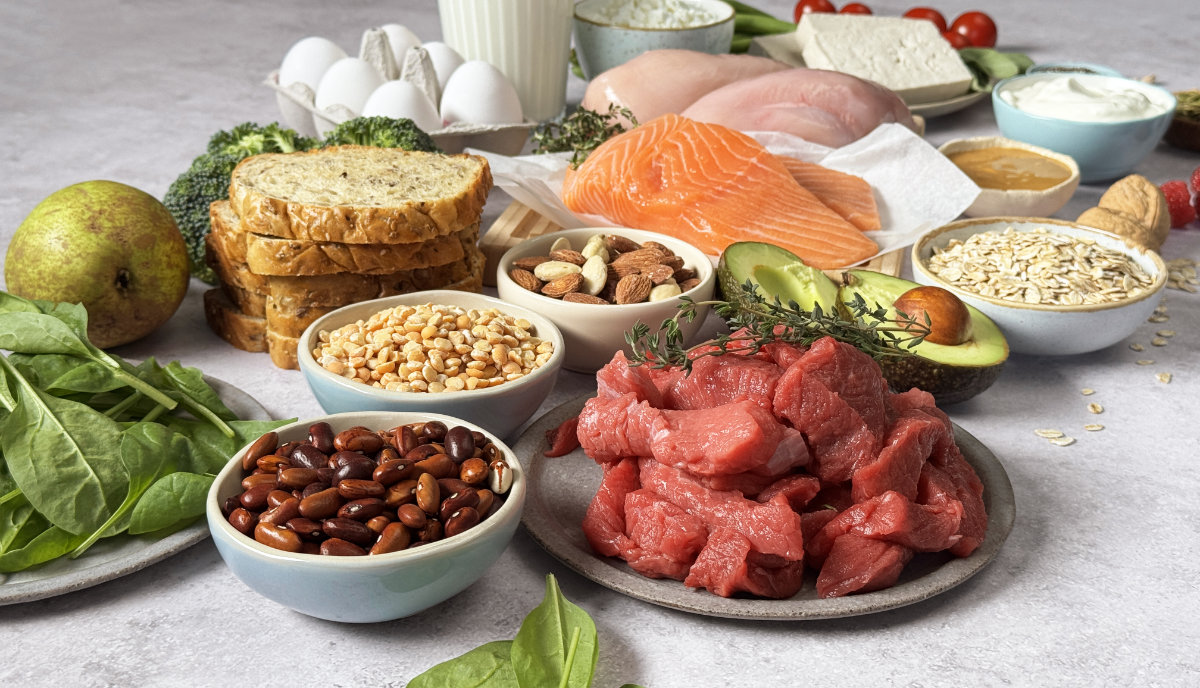
How to Get 100% Protein a Day Through Whole Foods
Whole foods give you the best protein sources. They contain all the amino acids your body needs. They provide vitamins and minerals too.
Top Protein Foods:
- Chicken breast: 31 grams per 100 grams
- Beef: 26 grams per 100 grams
- Fish (salmon, tuna): 25 grams per 100 grams
- Eggs: 13 grams per 2 large eggs
- Greek yogurt: 10 grams per 100 grams
- Cottage cheese: 11 grams per 100 grams
- Lentils: 9 grams per 100 grams cooked
- Chickpeas: 8 grams per 100 grams cooked
- Tofu: 8 grams per 100 grams
- Quinoa: 4 grams per 100 grams cooked
A simple meal plan hits your protein target easily. Breakfast: 3 eggs with 2 slices of toast gives you 20 grams. Lunch: 150 grams of chicken with rice and vegetables gives you 46 grams. Dinner: 150 grams of beef with potatoes gives you 39 grams. Snack: Greek yogurt gives you 10 grams. Total: 115 grams of protein.
Should You Use Protein Powder?
Protein powder makes hitting your daily target easier. It saves time. It costs less than buying meat for every meal.
One scoop of whey protein contains 20 to 25 grams of protein. Mix it with water or milk. Drink it after training or between meals.
Research published in the Journal of the International Society of Sports Nutrition found no difference between food protein and powder protein. Your body absorbs both equally well. Your muscles grow the same amount.
Protein powder costs about $2 to $3 per serving in Australia. That’s cheaper than buying 100 grams of chicken breast at the supermarket. A 1 kilogram tub costs $40 to $60 and provides 30 to 40 servings.
Choose whey protein if you eat dairy. Choose plant protein if you don’t. Both work equally well for muscle growth.
How Often Should You Eat Protein?
Spread your protein across 3 to 5 meals per day. Your body can only use about 20 to 40 grams of protein per meal for muscle building.
Eating 100 grams of protein in one meal wastes most of it. Your body uses 30 grams for muscle. It burns the rest for energy or stores it as fat.
A 2018 study in the American Journal of Clinical Nutrition tested different protein timing patterns. People who ate protein every 3 to 4 hours built more muscle than people who ate it all at once.
Sample Daily Schedule:
- Breakfast (8am): 25 grams
- Lunch (12pm): 30 grams
- Snack (3pm): 20 grams
- Dinner (7pm): 35 grams
- Evening snack (9pm): 15 grams
Total: 125 grams spread across 5 meals.
What About Protein Quality?
Not all protein sources work the same way. Complete proteins contain all nine essential amino acids. Incomplete proteins miss one or more amino acids.
Animal proteins are complete. Chicken, beef, fish, eggs, and dairy contain everything your body needs. Plant proteins are often incomplete. Beans, rice, and nuts miss certain amino acids.
But you can combine plant proteins to make them complete. Rice plus beans gives you all nine amino acids. Peanut butter plus bread works too. Hummus plus pita bread works too.
The protein digestibility score measures how well your body absorbs protein. Eggs score 100%. Whey protein scores 100%. Beef scores 92%. Soy scores 91%. Wheat scores 42%.
Choose high scoring proteins most of the time. Your body uses them more efficiently.
Can You Eat Too Much Protein?
Your kidneys can handle high protein intake if they’re healthy. Studies on athletes eating 2.5 grams per kilogram show no kidney damage. Their kidney function stayed normal for years.
But eating more than 2.2 grams per kilogram doesn’t build extra muscle. Your body just burns the excess for energy. You waste money on food you don’t need.
One study tracked bodybuilders eating 3 grams per kilogram. They gained no more muscle than bodybuilders eating 2 grams per kilogram. The extra protein did nothing.
Stick to 1.6 to 2.2 grams per kilogram. This range builds maximum muscle without wasting money.
How to Track Your Protein Intake
Use a food tracking app. MyFitnessPal and Cronometer work well. They show exactly how much protein you eat each day.
Scan barcodes on food packages. The app calculates protein automatically. Check your total at the end of each day.
Most people underestimate their protein intake by 30%. They think they eat enough but they don’t. Tracking removes the guesswork.
Track for two weeks. Learn which foods contain the most protein. After two weeks, you’ll know your portions by sight. You won’t need to track forever.
What If You’re Vegetarian or Vegan?
Plant based eaters can hit their protein targets easily. They just need to plan their meals carefully.
High Protein Plant Foods:
- Tempeh: 19 grams per 100 grams
- Seitan: 25 grams per 100 grams
- Edamame: 11 grams per 100 grams
- Hemp seeds: 32 grams per 100 grams
- Nutritional yeast: 50 grams per 100 grams
- Spirulina: 57 grams per 100 grams
- Pumpkin seeds: 19 grams per 100 grams
- Peanut butter: 25 grams per 100 grams
Combine different plant proteins throughout the day. Eat beans with rice. Eat hummus with bread. Eat tofu with quinoa. This gives you all essential amino acids.
Plant based protein powders work well too. Pea protein, rice protein, and hemp protein all build muscle effectively. A 2019 study found no difference in muscle growth between whey protein and pea protein.
Does Protein Timing Matter for Muscle Growth?
Eating protein within 2 hours after training helps muscle recovery. Your muscles absorb protein faster during this window.
But total daily protein matters more than timing. A 2013 meta analysis reviewed 23 studies on protein timing. Total daily protein intake predicted muscle growth better than post workout timing.
Don’t stress about drinking a protein shake immediately after training. Just make sure you hit your daily protein target. Spread it across multiple meals. Your muscles will grow.
How to Get 100% Protein a Day on a Budget
Protein doesn’t need to cost a fortune. Smart shopping cuts your costs dramatically.
Cheapest Protein Sources in Australia:
- Eggs: $0.50 per egg, 6 grams protein
- Canned tuna: $1.50 per can, 25 grams protein
- Chicken thighs: $6 per kilogram, 17 grams per 100 grams
- Milk: $3 per 2 litres, 68 grams total
- Dried lentils: $3 per kilogram, 90 grams per kilogram
- Peanut butter: $5 per kilogram, 250 grams total
- Cottage cheese: $4 per 500 grams, 55 grams total
Buy in bulk when possible. Frozen chicken costs less than fresh chicken. Canned fish costs less than fresh fish. Both provide the same protein quality.
Cook large batches of food. Make 10 chicken breasts on Sunday. Store them in containers. Eat them throughout the week. This saves time and money.
Frequently Asked Questions
How much protein do I need to build muscle?
You need 1.6 to 2.2 grams per kilogram of body weight per day. This amount maximizes muscle growth according to research from the International Society of Sports Nutrition.
Can I get enough protein without meat?
Yes. Plant foods like tempeh, seitan, lentils, and beans provide plenty of protein. Combine different plant proteins throughout the day to get all essential amino acids.
Is protein powder necessary?
No. You can hit your protein target with whole foods alone. But protein powder makes it easier and often costs less than buying meat for every meal.
What’s the best time to eat protein?
Spread protein across 3 to 5 meals per day. Eating protein every 3 to 4 hours builds more muscle than eating it all at once.
How do I know if I’m eating enough protein?
Track your food for two weeks using an app like MyFitnessPal. Most people underestimate their protein intake by 30%. Tracking shows you the truth.
Does protein make you gain weight?
Protein helps you lose fat while keeping muscle. Studies show high protein diets increase fat loss by 4 to 5% compared to low protein diets. Protein burns more calories during digestion than carbs or fat.
Can too much protein damage your kidneys?
No evidence shows that high protein intake damages healthy kidneys. Studies on athletes eating 2.5 grams per kilogram show normal kidney function for years.
What’s the difference between whey and plant protein?
Both build muscle equally well. Whey digests faster. Plant protein costs about the same. Choose based on your dietary preferences.
Your Action Plan
Start tracking your protein today. Download a food tracking app. Log everything you eat for one week. Check if you hit your target.
Calculate your protein needs. Multiply your body weight in kilograms by 1.6 to 2.2. This gives you your daily protein target in grams.
Plan your meals around protein. Choose a protein source first. Add vegetables and carbs second. This ensures you hit your target every day.
Buy protein rich foods this week. Stock your fridge with chicken, eggs, Greek yogurt, and cottage cheese. Keep protein powder in your pantry for quick meals.
Eat protein at every meal. Breakfast, lunch, dinner, and snacks should all contain protein. This spreads your intake across the day for maximum muscle growth.
Getting 100% of your daily protein is simple. Choose high protein foods. Eat them at every meal. Track your intake for two weeks. Your body will thank you with more muscle, better recovery, and higher energy levels.